
Recent from talks
Northern Cheyenne Exodus
Knowledge base stats:
Talk channels stats:
Members stats:
Northern Cheyenne Exodus
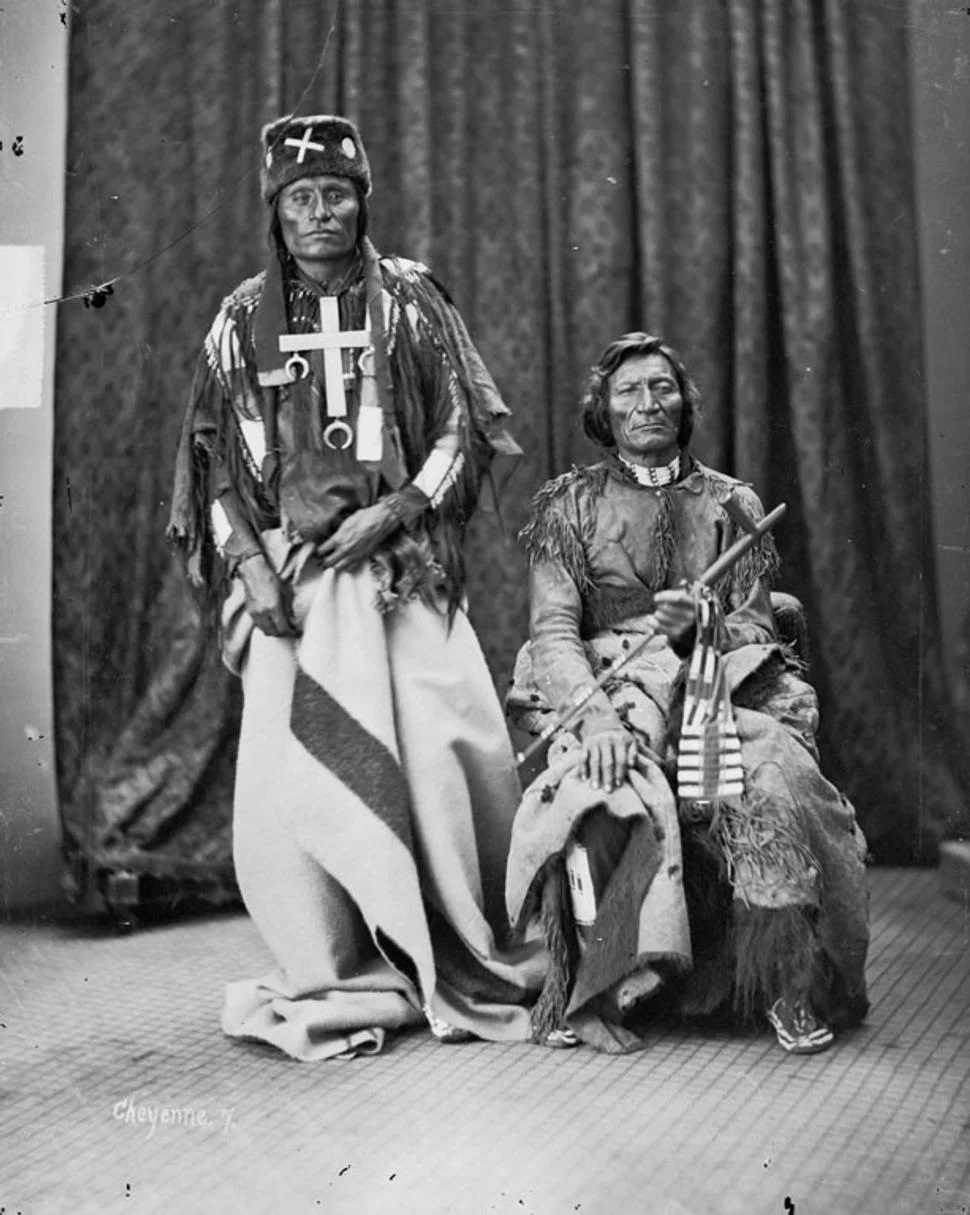
The Northern Cheyenne Exodus, also known as Dull Knife's Raid, the Cheyenne War, or the Cheyenne Campaign, was the attempt of the Northern Cheyenne to return to the northern Great Plains, after being placed on the Southern Cheyenne reservation in the Indian Territory, and the United States Army operations to stop them. In September 1878, about 300 Cheyenne men, women, and children headed north from their reservation, fighting and winning several skirmishes with the U.S. Army. In Nebraska, the Cheyenne split into two groups of about equal numbers. One group successfully reached Montana. The other group was captured and imprisoned in Fort Robinson, Nebraska. In January 1879 they escaped from their confinement and fled north. Most were captured or killed during the pursuit by the army, although a few escaped and remained on the northern plains. Seven Cheyenne warriors were tried and acquitted of killing white civilians during their flight. The Cheyenne who survived the flight were allowed to remain in the north.
Following the Battle of the Little Bighorn, attempts by the U.S. Army to subdue the Northern Cheyenne intensified. In 1877, after the previous November's Dull Knife Fight, Crazy Horse surrendered at Fort Robinson in northwestern Nebraska a few Cheyenne chiefs and their people surrendered as well. The chiefs that surrendered at the fort were Dull Knife, Little Wolf, Standing Elk, and Wild Hog with nearly one thousand Cheyenne. On the other hand, Two Moon surrendered at Fort Keogh with three hundred Cheyenne in 1877. The Cheyenne wanted and expected to live on the reservation with the Sioux in accordance with an April 29, 1868 treaty of Fort Laramie of which both Dull Knife and Little Wolf had signed. However, shortly after arriving at Fort Robinson it was recommended that the Northern Cheyenne be moved to the Darlington Agency on the Southern Cheyenne and Arapaho Indian Reservation near Fort Reno in present-day Oklahoma.
Following confirmation from Washington D.C., the Cheyenne started their move with 972 people; upon reaching the Cheyenne-Arapaho reservation on August 5, 1877 there were only 937. Some elderly had perished along the way and some young men crept away and headed back north. After reaching the reservation, the Northern Cheyenne noticed how poverty-stricken it was, and began to fall sick in the late summer of 1877. When conditions did not improve after a federal investigation into reservation conditions, the Cheyenne were given authorization to hunt.
When the Cheyenne attempted to hunt game they found none: by the winter of 1877–78 the territory was just a wasteland of dead buffalo remains, as the U.S. Army had sanctioned and actively endorsed the wholesale slaughter of bison herds. Through the past decade the federal government had promoted bison hunting for various reasons, to allow ranchers to range their cattle without competition from other bovines, but primarily to weaken the North American Indian population by removing their main food source and to pressure them onto the Indian reservations during times of conflict; Unfortunately in 1878 there was also a measles outbreak that struck the Northern Cheyenne, and in August 1878 the Cheyenne chiefs began preparations to move back north. On September 9, 1878 Little Wolf, Dull Knife, Wild Hog, and Left Hand told their people to organize to leave. The runaways totalled 353 in all: 92 were men of fighting age, while the remaining 261 were women, children and elderly.
In the early morning of September 10 the band fled up the North Canadian River. By 3 a.m. the alarm was sounded that the Cheyenne were gone. Passing the present sites of Watonga, Oklahoma and Canton, Oklahoma they crossed north over the watershed into the Cimarron Basin, crossing the Cimarron River the evening of September 10. There, near the present site of Freedom, Oklahoma they rested and then trailed 11 miles up Turkey Creek to a waterhole called Turkey Springs in hilly country near the border of Oklahoma and Kansas. After a few hours rest there, Dull Knife and a few others led the women and children on to St. Jacob's Well and The Big Basin in what is now Clark County, Kansas where they camped.
The remaining Cheyenne, anticipating pursuit, prepared an ambush at Turkey Springs. While one band prepared rifle pits at the springs, other bands fanned out over the country looking for supplies. In one case, attacking and killing two cowboys nearby, they obtained two mules. In another, attacking some cowboys during breakfast, they obtained both some food and a Sharps carbine.
On 10 September, a veteran soldier, Captain Joseph Rendlebrock, with 85 officers and men and two Arapaho scouts had departed Fort Reno with the objective of catching and capturing the fleeing Cheyenne. Rendlebrock reported that he was on their trail and, being well-mounted, that he hoped to catch them near the Arkansas River in Kansas near Dodge City. Instead, he found them waiting for him at Turkey Springs.
On September 13, following the trail of the Cheyenne, Captain Rendlebrock saw warriors on a hilltop. He formed a skirmish line with his soldiers and sent an Arapaho scout named "Chalk" or "Ghost Man" to talk to Dull Knife and Little Wolf. Chalk conveyed the message that the Cheyenne must return to the reservation, but the Cheyenne leaders declined to return and warriors began moving around the flanks of the soldiers. The soldiers opened fire and the Cheyenne responded in kind, although the firing was sparse as the Cheyenne preserved their limited ammunition. Desultory fighting continued all day with two soldiers killed and three wounded. After dark, desperate for water, seven soldiers attempted and failed to gain access to the water in the springs.
Hub AI
Northern Cheyenne Exodus AI simulator
(@Northern Cheyenne Exodus_simulator)
Northern Cheyenne Exodus
The Northern Cheyenne Exodus, also known as Dull Knife's Raid, the Cheyenne War, or the Cheyenne Campaign, was the attempt of the Northern Cheyenne to return to the northern Great Plains, after being placed on the Southern Cheyenne reservation in the Indian Territory, and the United States Army operations to stop them. In September 1878, about 300 Cheyenne men, women, and children headed north from their reservation, fighting and winning several skirmishes with the U.S. Army. In Nebraska, the Cheyenne split into two groups of about equal numbers. One group successfully reached Montana. The other group was captured and imprisoned in Fort Robinson, Nebraska. In January 1879 they escaped from their confinement and fled north. Most were captured or killed during the pursuit by the army, although a few escaped and remained on the northern plains. Seven Cheyenne warriors were tried and acquitted of killing white civilians during their flight. The Cheyenne who survived the flight were allowed to remain in the north.
Following the Battle of the Little Bighorn, attempts by the U.S. Army to subdue the Northern Cheyenne intensified. In 1877, after the previous November's Dull Knife Fight, Crazy Horse surrendered at Fort Robinson in northwestern Nebraska a few Cheyenne chiefs and their people surrendered as well. The chiefs that surrendered at the fort were Dull Knife, Little Wolf, Standing Elk, and Wild Hog with nearly one thousand Cheyenne. On the other hand, Two Moon surrendered at Fort Keogh with three hundred Cheyenne in 1877. The Cheyenne wanted and expected to live on the reservation with the Sioux in accordance with an April 29, 1868 treaty of Fort Laramie of which both Dull Knife and Little Wolf had signed. However, shortly after arriving at Fort Robinson it was recommended that the Northern Cheyenne be moved to the Darlington Agency on the Southern Cheyenne and Arapaho Indian Reservation near Fort Reno in present-day Oklahoma.
Following confirmation from Washington D.C., the Cheyenne started their move with 972 people; upon reaching the Cheyenne-Arapaho reservation on August 5, 1877 there were only 937. Some elderly had perished along the way and some young men crept away and headed back north. After reaching the reservation, the Northern Cheyenne noticed how poverty-stricken it was, and began to fall sick in the late summer of 1877. When conditions did not improve after a federal investigation into reservation conditions, the Cheyenne were given authorization to hunt.
When the Cheyenne attempted to hunt game they found none: by the winter of 1877–78 the territory was just a wasteland of dead buffalo remains, as the U.S. Army had sanctioned and actively endorsed the wholesale slaughter of bison herds. Through the past decade the federal government had promoted bison hunting for various reasons, to allow ranchers to range their cattle without competition from other bovines, but primarily to weaken the North American Indian population by removing their main food source and to pressure them onto the Indian reservations during times of conflict; Unfortunately in 1878 there was also a measles outbreak that struck the Northern Cheyenne, and in August 1878 the Cheyenne chiefs began preparations to move back north. On September 9, 1878 Little Wolf, Dull Knife, Wild Hog, and Left Hand told their people to organize to leave. The runaways totalled 353 in all: 92 were men of fighting age, while the remaining 261 were women, children and elderly.
In the early morning of September 10 the band fled up the North Canadian River. By 3 a.m. the alarm was sounded that the Cheyenne were gone. Passing the present sites of Watonga, Oklahoma and Canton, Oklahoma they crossed north over the watershed into the Cimarron Basin, crossing the Cimarron River the evening of September 10. There, near the present site of Freedom, Oklahoma they rested and then trailed 11 miles up Turkey Creek to a waterhole called Turkey Springs in hilly country near the border of Oklahoma and Kansas. After a few hours rest there, Dull Knife and a few others led the women and children on to St. Jacob's Well and The Big Basin in what is now Clark County, Kansas where they camped.
The remaining Cheyenne, anticipating pursuit, prepared an ambush at Turkey Springs. While one band prepared rifle pits at the springs, other bands fanned out over the country looking for supplies. In one case, attacking and killing two cowboys nearby, they obtained two mules. In another, attacking some cowboys during breakfast, they obtained both some food and a Sharps carbine.
On 10 September, a veteran soldier, Captain Joseph Rendlebrock, with 85 officers and men and two Arapaho scouts had departed Fort Reno with the objective of catching and capturing the fleeing Cheyenne. Rendlebrock reported that he was on their trail and, being well-mounted, that he hoped to catch them near the Arkansas River in Kansas near Dodge City. Instead, he found them waiting for him at Turkey Springs.
On September 13, following the trail of the Cheyenne, Captain Rendlebrock saw warriors on a hilltop. He formed a skirmish line with his soldiers and sent an Arapaho scout named "Chalk" or "Ghost Man" to talk to Dull Knife and Little Wolf. Chalk conveyed the message that the Cheyenne must return to the reservation, but the Cheyenne leaders declined to return and warriors began moving around the flanks of the soldiers. The soldiers opened fire and the Cheyenne responded in kind, although the firing was sparse as the Cheyenne preserved their limited ammunition. Desultory fighting continued all day with two soldiers killed and three wounded. After dark, desperate for water, seven soldiers attempted and failed to gain access to the water in the springs.
Recent media