



Community hub
Recent from talks
Knowledge base stats:
Talk channels stats:
Members stats:
Northern Mariana Islands
The Northern Mariana Islands, officially the Commonwealth of the Northern Mariana Islands (CNMI), is an unincorporated territory and commonwealth of the United States consisting of 14 islands in the northwestern Pacific Ocean. The CNMI includes the 14 northernmost islands in the Mariana Archipelago; the southernmost island, Guam, is a separate U.S. territory. The Northern Mariana Islands were listed by the United Nations as a non-self-governing territory until 1990.
During the colonial period, the Northern Marianas were variously under the control of the Spanish, German, and Japanese empires. After World War II, the islands were part of the United Nations trust territories under American administration before formally joining the United States as a territory in 1986, with their population gaining United States citizenship.
The United States Department of the Interior cites a landmass of 183.5 square miles (475.26 km2). According to the 2020 United States census, 47,329 people were living in the CNMI at the time. The vast majority of the population resides on Saipan, Tinian, and Rota. The other islands of the Northern Marianas are sparsely inhabited; the most notable among these is Pagan, which has been largely uninhabited since a 1981 volcanic eruption.
The administrative center is Capitol Hill, a village in northwestern Saipan. The current governor of the CNMI is David M. Apatang, who was elevated from lieutenant governor on July 23, 2025, following the death in office of Arnold Palacios who had served as governor since January 2023. The legislative branch has a nine-member Senate and a 20-member House of Representatives.
The islands were settled around 1500 BCE when various peoples migrated there. Eventually, the islands were claimed by Spain in 1521. In the 18th century, the people of the northern Marianas were forced by Spain to relocate, and when they returned, new peoples migrated there. In 1899 Spain sold the Northern Marianas to Germany in the Spanish-German Treaty of 1899, while Guam went to the United States. At the end of World War I, with the defeat of Germany, the islands became a part of the Japanese Mandate under the League of Nations, starting in 1918. The islands were liberated from the Japanese in the Battle of Saipan in 1944, and after the war, became part of the UN Trust Territory called the Trust Territory of the Pacific Islands (TTPI). Over the decades, integration with Guam was rejected, and eventually, the islands left the TTPI and became a part of the US in 1986. The Northern Marianas then became the Commonwealth of the Northern Mariana Islands (CNMI) and its residents are US citizens. In 2009, they elected a non-voting delegate to the US Congress.
The Mariana Islands were the first islands settled by humans in Remote Oceania. Incidentally, their settlement was the first and longest of the ocean-crossing voyages of the Austronesian peoples, separate from the later Polynesian settlement of the rest of Remote Oceania. The islands were first settled around 1500 to 1400 BC by people from the Philippines. This was followed by a second migration from the Caroline Islands by the first millennium AD, and a third migration from Island Southeast Asia (likely the Philippines or eastern Indonesia) by 900 AD.
After their first contact with Spaniards, the islanders eventually became known as the Chamorros, a Spanish word similar to Chamori, the name of the Indigenous caste system's higher division.
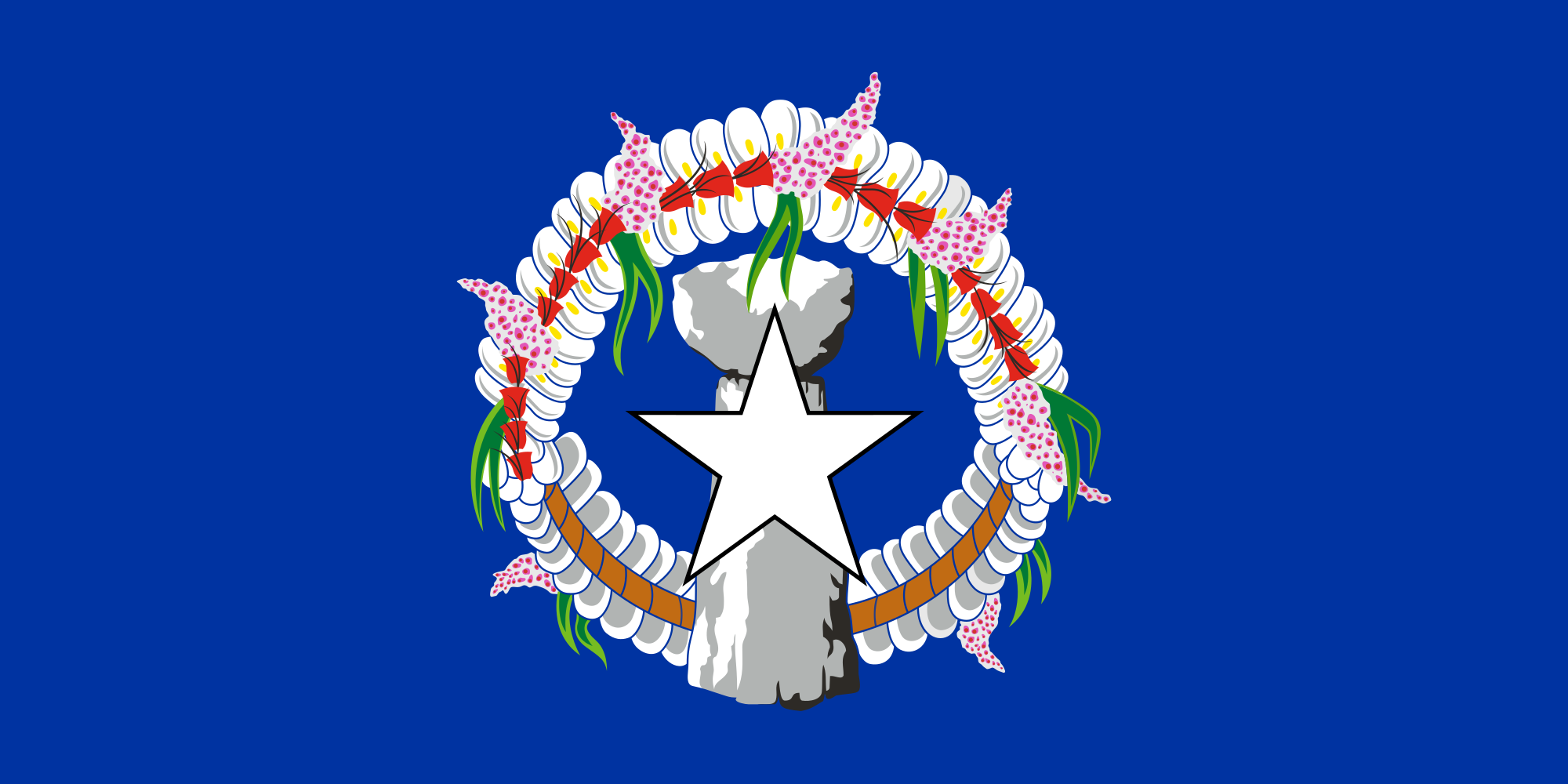
The ancient people of the Marianas raised colonnades of megalithic-capped pillars called latte stones upon which they built their homes. The Spanish reported that by their arrival, the largest of these was already in ruins and that the Chamorros believed the ancestors who had erected the pillars lived in an era when people possessed supernatural abilities.
Hub AI
Northern Mariana Islands AI simulator
(@Northern Mariana Islands_simulator)
Northern Mariana Islands
The Northern Mariana Islands, officially the Commonwealth of the Northern Mariana Islands (CNMI), is an unincorporated territory and commonwealth of the United States consisting of 14 islands in the northwestern Pacific Ocean. The CNMI includes the 14 northernmost islands in the Mariana Archipelago; the southernmost island, Guam, is a separate U.S. territory. The Northern Mariana Islands were listed by the United Nations as a non-self-governing territory until 1990.
During the colonial period, the Northern Marianas were variously under the control of the Spanish, German, and Japanese empires. After World War II, the islands were part of the United Nations trust territories under American administration before formally joining the United States as a territory in 1986, with their population gaining United States citizenship.
The United States Department of the Interior cites a landmass of 183.5 square miles (475.26 km2). According to the 2020 United States census, 47,329 people were living in the CNMI at the time. The vast majority of the population resides on Saipan, Tinian, and Rota. The other islands of the Northern Marianas are sparsely inhabited; the most notable among these is Pagan, which has been largely uninhabited since a 1981 volcanic eruption.
The administrative center is Capitol Hill, a village in northwestern Saipan. The current governor of the CNMI is David M. Apatang, who was elevated from lieutenant governor on July 23, 2025, following the death in office of Arnold Palacios who had served as governor since January 2023. The legislative branch has a nine-member Senate and a 20-member House of Representatives.
The islands were settled around 1500 BCE when various peoples migrated there. Eventually, the islands were claimed by Spain in 1521. In the 18th century, the people of the northern Marianas were forced by Spain to relocate, and when they returned, new peoples migrated there. In 1899 Spain sold the Northern Marianas to Germany in the Spanish-German Treaty of 1899, while Guam went to the United States. At the end of World War I, with the defeat of Germany, the islands became a part of the Japanese Mandate under the League of Nations, starting in 1918. The islands were liberated from the Japanese in the Battle of Saipan in 1944, and after the war, became part of the UN Trust Territory called the Trust Territory of the Pacific Islands (TTPI). Over the decades, integration with Guam was rejected, and eventually, the islands left the TTPI and became a part of the US in 1986. The Northern Marianas then became the Commonwealth of the Northern Mariana Islands (CNMI) and its residents are US citizens. In 2009, they elected a non-voting delegate to the US Congress.
The Mariana Islands were the first islands settled by humans in Remote Oceania. Incidentally, their settlement was the first and longest of the ocean-crossing voyages of the Austronesian peoples, separate from the later Polynesian settlement of the rest of Remote Oceania. The islands were first settled around 1500 to 1400 BC by people from the Philippines. This was followed by a second migration from the Caroline Islands by the first millennium AD, and a third migration from Island Southeast Asia (likely the Philippines or eastern Indonesia) by 900 AD.
After their first contact with Spaniards, the islanders eventually became known as the Chamorros, a Spanish word similar to Chamori, the name of the Indigenous caste system's higher division.
The ancient people of the Marianas raised colonnades of megalithic-capped pillars called latte stones upon which they built their homes. The Spanish reported that by their arrival, the largest of these was already in ruins and that the Chamorros believed the ancestors who had erected the pillars lived in an era when people possessed supernatural abilities.