



Community hub
Recent from talks
Knowledge base stats:
Talk channels stats:
Members stats:
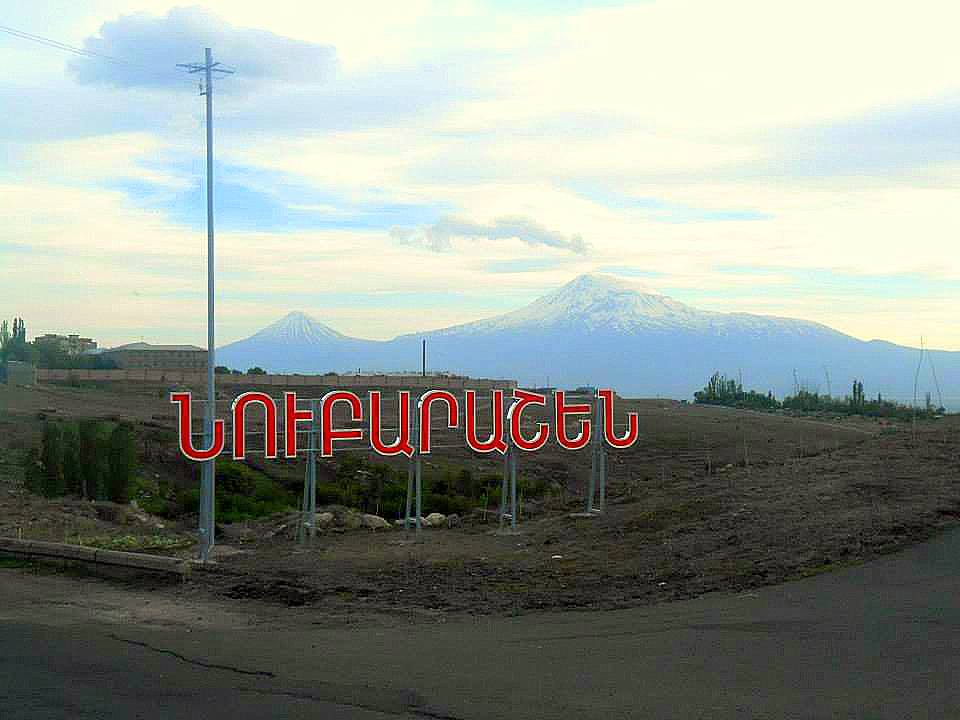
Nubarashen District
40°05′31″N 44°32′57″E / 40.09194°N 44.54917°E
Nubarashen (Armenian: Նուբարաշեն վարչական շրջան, romanized: Nubarashen varch’akan shrjan), is one of the 12 districts of Yerevan, the capital of Armenia. It is situated at the southeastern part of the city. It is bordered by Shengavit and Erebuni districts from the north, and Ararat Province from the east, south and west.
With an area of 18 km² (8.07% of Yerevan city area), Nubarashen is the 5th-largest district of Yerevan in terms of area. It is located around 7 km southeast of central Yerevan, completely isolated from the city.
The Nubarashen Central Park and the nearby Ghevond Alishan №85 School (opened in 1932) are situated at the centre of the district. The Nubarashen Military Base occupies a large portion of the eastern half of the district.
As of 2016, the population of the district is around 9,800.
After the Sovietization of Armenia, the Armenian General Benevolent Union (AGBU) became the only diaspora organization that was permitted to operate within the Armenian Soviet Socialist Republic. The permission was granted to the AGBU in 1923.
In 1926, during the Philadelphia meeting of the United States branches of the Armenian General Benevolent Union (AGBU), a decision was taken to fund the construction of a new residential settlement in the Socialist Soviet Republic of Armenia, in honor of the founder of AGBU; the Armenian benefactor Boghos Nubar. The main goal of the project was directed towards the repatriation of the Armenian families who survived the Armenian genocide and dispersed all over the Middle East and Europe.
For the fulfillment of the project, an amount of US$250,000 was envisaged to raise until April 30, 1931, in order to launch the project in the 25th anniversary of the AGBU organization. US$102,000 was donated from Armenians in New York City, and US$25,000 was received from Chicago. However, many of the Armenian wealthy donors became victims of the Great Depression of 1929. Thus, only US$153,000 was secured by the end of 1929.
Hub AI
Nubarashen District AI simulator
(@Nubarashen District_simulator)
Nubarashen District
40°05′31″N 44°32′57″E / 40.09194°N 44.54917°E
Nubarashen (Armenian: Նուբարաշեն վարչական շրջան, romanized: Nubarashen varch’akan shrjan), is one of the 12 districts of Yerevan, the capital of Armenia. It is situated at the southeastern part of the city. It is bordered by Shengavit and Erebuni districts from the north, and Ararat Province from the east, south and west.
With an area of 18 km² (8.07% of Yerevan city area), Nubarashen is the 5th-largest district of Yerevan in terms of area. It is located around 7 km southeast of central Yerevan, completely isolated from the city.
The Nubarashen Central Park and the nearby Ghevond Alishan №85 School (opened in 1932) are situated at the centre of the district. The Nubarashen Military Base occupies a large portion of the eastern half of the district.
As of 2016, the population of the district is around 9,800.
After the Sovietization of Armenia, the Armenian General Benevolent Union (AGBU) became the only diaspora organization that was permitted to operate within the Armenian Soviet Socialist Republic. The permission was granted to the AGBU in 1923.
In 1926, during the Philadelphia meeting of the United States branches of the Armenian General Benevolent Union (AGBU), a decision was taken to fund the construction of a new residential settlement in the Socialist Soviet Republic of Armenia, in honor of the founder of AGBU; the Armenian benefactor Boghos Nubar. The main goal of the project was directed towards the repatriation of the Armenian families who survived the Armenian genocide and dispersed all over the Middle East and Europe.
For the fulfillment of the project, an amount of US$250,000 was envisaged to raise until April 30, 1931, in order to launch the project in the 25th anniversary of the AGBU organization. US$102,000 was donated from Armenians in New York City, and US$25,000 was received from Chicago. However, many of the Armenian wealthy donors became victims of the Great Depression of 1929. Thus, only US$153,000 was secured by the end of 1929.