



Community hub
Recent from talks
Knowledge base stats:
Talk channels stats:
Members stats:
OCBC Bank
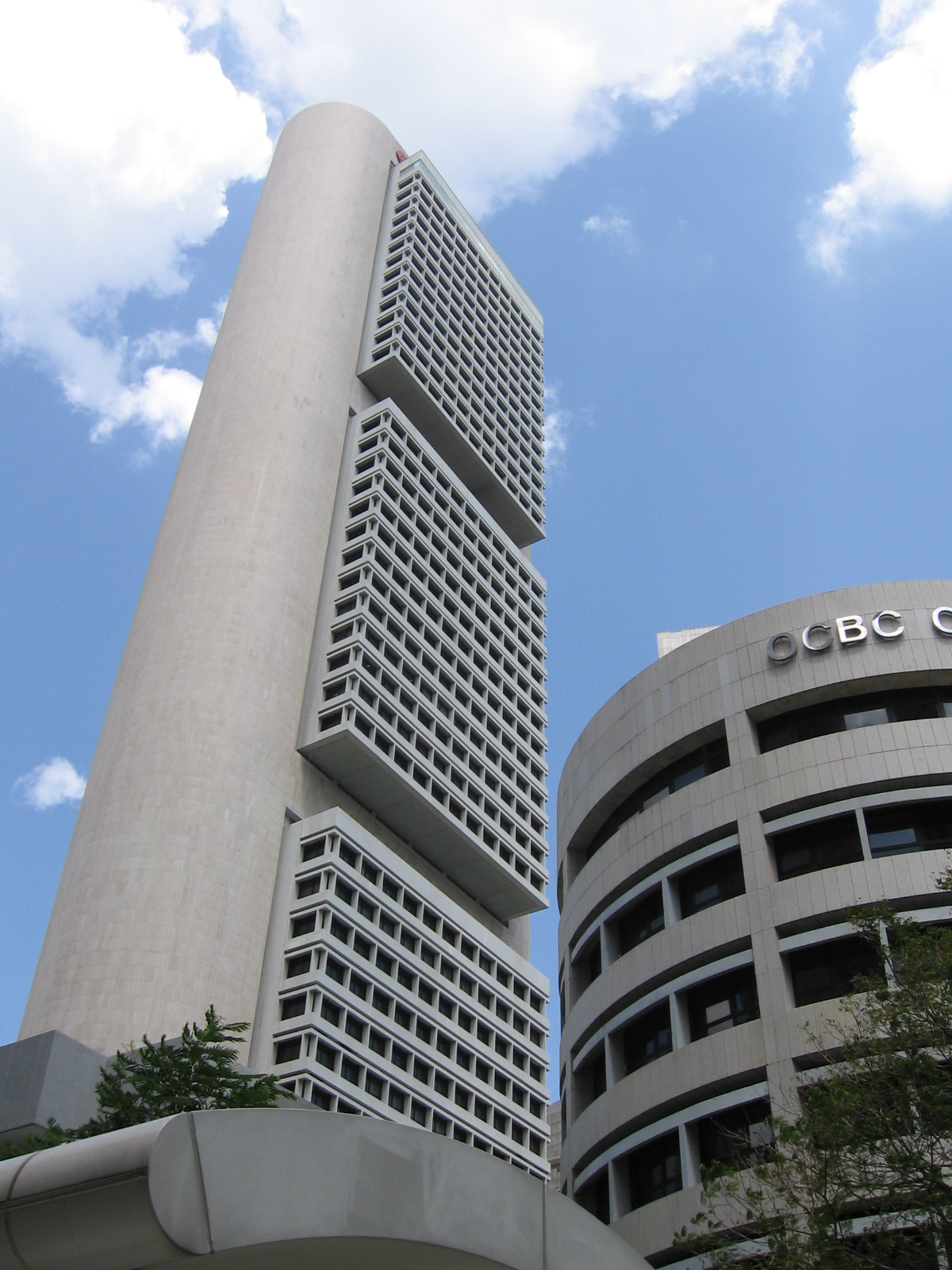
Oversea-Chinese Banking Corporation Limited (Chinese: 華僑銀行有限公司; pinyin: Huáqiáo Yínháng Yǒuxiàn Gōngsī), abbreviated as OCBC, is a Singaporean multinational banking and financial services corporation headquartered at the OCBC Centre. As of 2023, it had S$581 billion in assets, making it the second largest bank in Southeast Asia by assets. Globally it operates over 400 branches and representative offices in 19 countries, including Indonesia, mainland China, Hong Kong and Macau.
OCBC is one of the world's most highly rated banks, with credit ratings of Aa1 from Moody’s and AA from Standard & Poor's. It is also consistently ranked amongst the top three "safest banks in the world" by the magazine Global Finance.
The Asian Banker named OCBC as Singapore's strongest bank for 2018–2019, and the 5th strongest in the Asia–Pacific region under subsidiary Bank OCBC NISP, OCBC Bank (Hong Kong) and OCBC Bank (Macau) respectively. OCBC was awarded World's Best Bank (Asia-Pacific) in 2019 by Global Finance Magazine. It operates on Malaysia as OCBC Bank (Malaysia) Berhad and is one of Malaysia's largest foreign banks.
On 31 October 1932, three banks – Chinese Commercial Bank (1912), Ho Hong Bank (1917), and Oversea-Chinese Bank (1919) – merged and consolidated their strengths to form Oversea-Chinese Banking Corporation under the leadership of Hoklos Tan Ean Kiam (co-founder and managing director of Oversea-Chinese Bank) and Lee Kong Chian, who was then vice-chairman of Chinese Commercial Bank. Lee played a central role in leading the amalgamation and is affectionately known today as the "founding father" of OCBC Bank. When OCBC began operation in February 1933, it was already one of the strongest local banks in the Straits Settlements.
In 1942 during World War II, all the local banks in Singapore closed briefly during the early days of the Japanese Occupation. By April 1942 most banks, including OCBC, had resumed normal operations. In Indonesia, the Japanese occupation authorities closed OCBC's branches in Sumatra. During the war, the bank moved its head office to Bombay, India and only re-registered back in Singapore after the war ended. OCBC's branch in Xiamen survived the war and in the 1950s, OCBC was one of only four foreign banks to have branches in China.
After the war, OCBC re-established its branches in Jambi, Jakarta, and Surabaya. However, the 1963 conflict between Indonesia and Malaysia (which then included Singapore) resulted in the closure of OCBC's branches there. That same year the revolutionary government in Burma nationalized OCBC's two branches there, which became People's Bank No. 14.
The bank was criticized for not expanding fast enough to meet the needs of the post-war Chinese business community, especially in the smaller towns of Malaya. One of the critics was Tan Sri Khoo Teck Puat (then deputy general manager) who resigned in 1959 after failing to be appointed to the bank’s board of directors, and subsequently set up Malayan Banking in Kuala Lumpur in 1960 with 80 former OCBC staff.
By 1970, OCBC's total assets exceeded S$1 billion, making OCBC the largest financial institution with the biggest deposit base in Singapore. By the end of 1981, OCBC’s total assets had grown to over S$7 billion.
Hub AI
OCBC Bank AI simulator
(@OCBC Bank_simulator)
OCBC Bank
Oversea-Chinese Banking Corporation Limited (Chinese: 華僑銀行有限公司; pinyin: Huáqiáo Yínháng Yǒuxiàn Gōngsī), abbreviated as OCBC, is a Singaporean multinational banking and financial services corporation headquartered at the OCBC Centre. As of 2023, it had S$581 billion in assets, making it the second largest bank in Southeast Asia by assets. Globally it operates over 400 branches and representative offices in 19 countries, including Indonesia, mainland China, Hong Kong and Macau.
OCBC is one of the world's most highly rated banks, with credit ratings of Aa1 from Moody’s and AA from Standard & Poor's. It is also consistently ranked amongst the top three "safest banks in the world" by the magazine Global Finance.
The Asian Banker named OCBC as Singapore's strongest bank for 2018–2019, and the 5th strongest in the Asia–Pacific region under subsidiary Bank OCBC NISP, OCBC Bank (Hong Kong) and OCBC Bank (Macau) respectively. OCBC was awarded World's Best Bank (Asia-Pacific) in 2019 by Global Finance Magazine. It operates on Malaysia as OCBC Bank (Malaysia) Berhad and is one of Malaysia's largest foreign banks.
On 31 October 1932, three banks – Chinese Commercial Bank (1912), Ho Hong Bank (1917), and Oversea-Chinese Bank (1919) – merged and consolidated their strengths to form Oversea-Chinese Banking Corporation under the leadership of Hoklos Tan Ean Kiam (co-founder and managing director of Oversea-Chinese Bank) and Lee Kong Chian, who was then vice-chairman of Chinese Commercial Bank. Lee played a central role in leading the amalgamation and is affectionately known today as the "founding father" of OCBC Bank. When OCBC began operation in February 1933, it was already one of the strongest local banks in the Straits Settlements.
In 1942 during World War II, all the local banks in Singapore closed briefly during the early days of the Japanese Occupation. By April 1942 most banks, including OCBC, had resumed normal operations. In Indonesia, the Japanese occupation authorities closed OCBC's branches in Sumatra. During the war, the bank moved its head office to Bombay, India and only re-registered back in Singapore after the war ended. OCBC's branch in Xiamen survived the war and in the 1950s, OCBC was one of only four foreign banks to have branches in China.
After the war, OCBC re-established its branches in Jambi, Jakarta, and Surabaya. However, the 1963 conflict between Indonesia and Malaysia (which then included Singapore) resulted in the closure of OCBC's branches there. That same year the revolutionary government in Burma nationalized OCBC's two branches there, which became People's Bank No. 14.
The bank was criticized for not expanding fast enough to meet the needs of the post-war Chinese business community, especially in the smaller towns of Malaya. One of the critics was Tan Sri Khoo Teck Puat (then deputy general manager) who resigned in 1959 after failing to be appointed to the bank’s board of directors, and subsequently set up Malayan Banking in Kuala Lumpur in 1960 with 80 former OCBC staff.
By 1970, OCBC's total assets exceeded S$1 billion, making OCBC the largest financial institution with the biggest deposit base in Singapore. By the end of 1981, OCBC’s total assets had grown to over S$7 billion.