
Recent from talks
Oda Nobunaga
Knowledge base stats:
Talk channels stats:
Members stats:
Oda Nobunaga
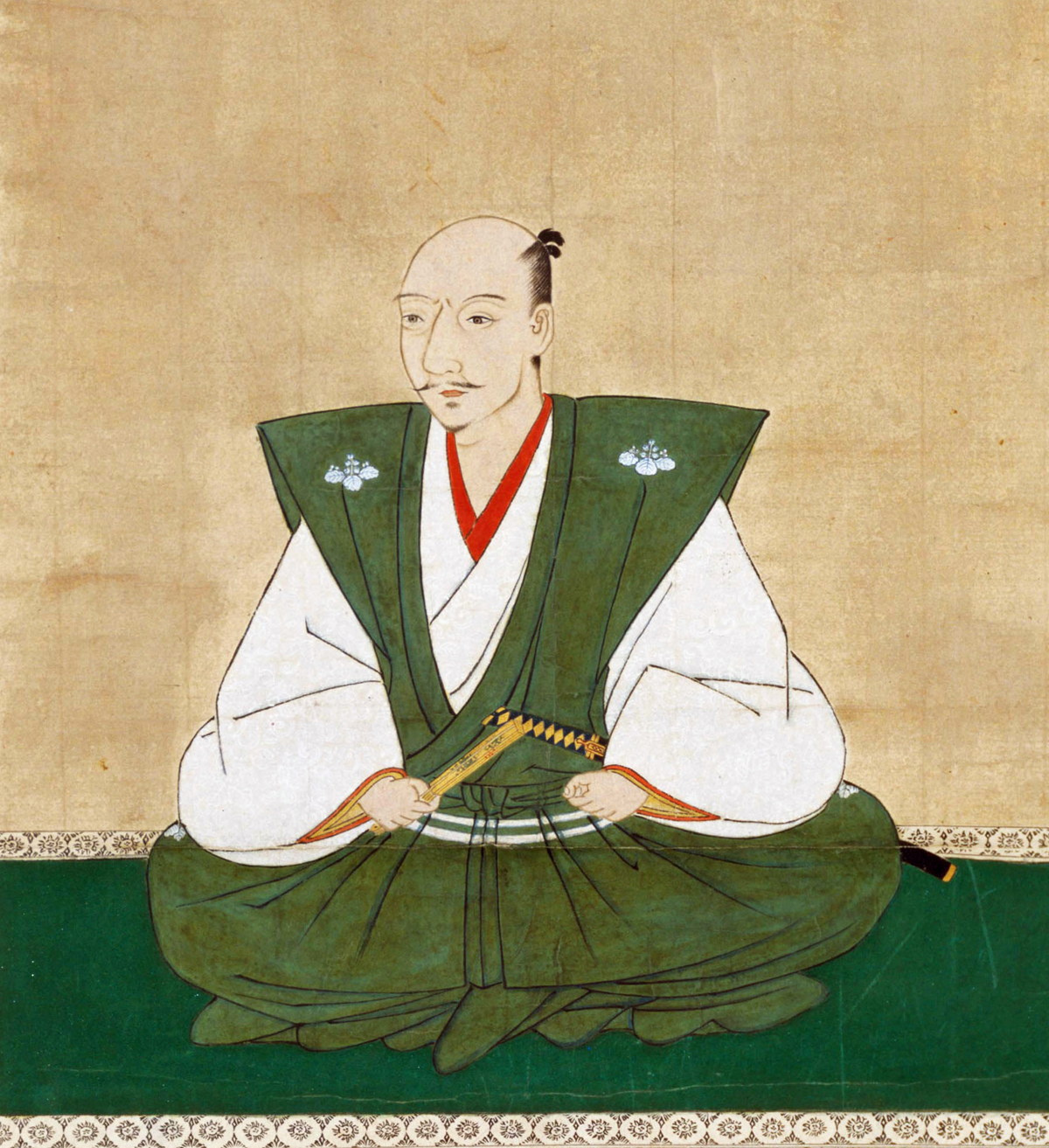
Oda Nobunaga (織田 信長; [o.da (|) no.bɯ(ꜜ).na.ɡa, -na.ŋa] ⓘ; 23 June 1534 – 21 June 1582) was a Japanese daimyō and one of the leading figures of the Sengoku and Azuchi-Momoyama periods. He was the Tenka-bito (天下人; lit. 'person under heaven') and regarded as the first "Great Unifier" of Japan. He is sometimes referred as the "Demon Daimyō" and "Demon King of the Sixth Heaven".
Nobunaga was an influential figure in Japanese history and is regarded as one of the three great unifiers of Japan, along with his retainers, Toyotomi Hideyoshi and Tokugawa Ieyasu. Nobunaga paved the way for the successful reigns of Hideyoshi and Ieyasu by consolidating power, as head of the very powerful Oda clan, through a series of wars against other daimyō beginning in the 1560s. The period when Nobunaga and Hideyoshi were in power is called the Azuchi–Momoyama period. The name "Azuchi–Momoyama" comes from the fact that Nobunaga's castle, Azuchi Castle, was located in Azuchi, Shiga; while Fushimi Castle, where Hideyoshi lived after his retirement, was located in Momoyama.
Nobunaga emerged as the most powerful daimyō, overthrowing the nominally ruling shogun Ashikaga Yoshiaki and dissolving the Ashikaga Shogunate in 1573. He conquered most of Honshu by 1580, and defeated the Ikkō-ikki in the 1580s. Nobunaga's rule was noted for innovative military tactics, fostering of free trade, reforms of Japan's civil government, and the start of the Momoyama historical art period, but also for the brutal suppression of those who refused to cooperate or yield to his demands.
Nobunaga committed seppuku during the Honnō-ji Incident in 1582, when his retainer Akechi Mitsuhide ambushed and trapped him in a temple in Kyoto. Nobunaga was succeeded by Toyotomi Hideyoshi, who along with Tokugawa Ieyasu completed his campaign of national unification shortly afterward.
Oda Nobunaga was born on 23 June 1534 in Nagoya, Owari Province, and was the heir of Oda Nobuhide, the head of the powerful Oda clan and a deputy shugo (military governor), and his lawful wife Dota Gozen. Nobunaga was previously thought to have been born in Nagoya Castle, but in recent years the theory that he was born in Shobata Castle has become more accepted. Nobunaga was given the childhood name of Kippōshi (吉法師), and through his childhood and early teenage years became well known for his bizarre behavior.
Nobunaga mostly spent his time between the age of 13 (the age of maturity at the time) and 18 in hunting, riding, practicing archery and shooting arquebus (still a novelty in Japan at the time), but also wrestling, swimming, watching sumo and visiting taverns and brothels with his friends. He also showed complete disdain for formal clothing and proper social behavior of a lord, wearing sleeveless bathrobes and short trousers tied with hemp rope in public, eating melons while riding backwards on his horse, and often dancing in female clothing in taverns, gaining the nickname The Fool of Owari.
Nobunaga was given Nagoya Castle by his father at the age of 8 and lived there for 13 years until he took Kiyosu Castle at the age of 21. He had one or two older brothers, but they were illegitimate sons. As the first legitimate son, Nobunaga was intended to succeed Nobuhide as leader of the Oda clan, and so he was separated from his mother and given special education. Four karō (chief retainers), Hayashi Hidesada, Hirate Masahide, Aoyama Nobumasa, and Naitō Shōsuke (or Katsusuke), were assigned to train and educate him for his future role.
Nobunaga came to manhood and took the name Oda Saburō Nobunaga in 1546. He then led the forces of the Oda clan against rival Kira and Ohama in Mikawa for his first campaign in 1547.
Hub AI
Oda Nobunaga AI simulator
(@Oda Nobunaga_simulator)
Oda Nobunaga
Oda Nobunaga (織田 信長; [o.da (|) no.bɯ(ꜜ).na.ɡa, -na.ŋa] ⓘ; 23 June 1534 – 21 June 1582) was a Japanese daimyō and one of the leading figures of the Sengoku and Azuchi-Momoyama periods. He was the Tenka-bito (天下人; lit. 'person under heaven') and regarded as the first "Great Unifier" of Japan. He is sometimes referred as the "Demon Daimyō" and "Demon King of the Sixth Heaven".
Nobunaga was an influential figure in Japanese history and is regarded as one of the three great unifiers of Japan, along with his retainers, Toyotomi Hideyoshi and Tokugawa Ieyasu. Nobunaga paved the way for the successful reigns of Hideyoshi and Ieyasu by consolidating power, as head of the very powerful Oda clan, through a series of wars against other daimyō beginning in the 1560s. The period when Nobunaga and Hideyoshi were in power is called the Azuchi–Momoyama period. The name "Azuchi–Momoyama" comes from the fact that Nobunaga's castle, Azuchi Castle, was located in Azuchi, Shiga; while Fushimi Castle, where Hideyoshi lived after his retirement, was located in Momoyama.
Nobunaga emerged as the most powerful daimyō, overthrowing the nominally ruling shogun Ashikaga Yoshiaki and dissolving the Ashikaga Shogunate in 1573. He conquered most of Honshu by 1580, and defeated the Ikkō-ikki in the 1580s. Nobunaga's rule was noted for innovative military tactics, fostering of free trade, reforms of Japan's civil government, and the start of the Momoyama historical art period, but also for the brutal suppression of those who refused to cooperate or yield to his demands.
Nobunaga committed seppuku during the Honnō-ji Incident in 1582, when his retainer Akechi Mitsuhide ambushed and trapped him in a temple in Kyoto. Nobunaga was succeeded by Toyotomi Hideyoshi, who along with Tokugawa Ieyasu completed his campaign of national unification shortly afterward.
Oda Nobunaga was born on 23 June 1534 in Nagoya, Owari Province, and was the heir of Oda Nobuhide, the head of the powerful Oda clan and a deputy shugo (military governor), and his lawful wife Dota Gozen. Nobunaga was previously thought to have been born in Nagoya Castle, but in recent years the theory that he was born in Shobata Castle has become more accepted. Nobunaga was given the childhood name of Kippōshi (吉法師), and through his childhood and early teenage years became well known for his bizarre behavior.
Nobunaga mostly spent his time between the age of 13 (the age of maturity at the time) and 18 in hunting, riding, practicing archery and shooting arquebus (still a novelty in Japan at the time), but also wrestling, swimming, watching sumo and visiting taverns and brothels with his friends. He also showed complete disdain for formal clothing and proper social behavior of a lord, wearing sleeveless bathrobes and short trousers tied with hemp rope in public, eating melons while riding backwards on his horse, and often dancing in female clothing in taverns, gaining the nickname The Fool of Owari.
Nobunaga was given Nagoya Castle by his father at the age of 8 and lived there for 13 years until he took Kiyosu Castle at the age of 21. He had one or two older brothers, but they were illegitimate sons. As the first legitimate son, Nobunaga was intended to succeed Nobuhide as leader of the Oda clan, and so he was separated from his mother and given special education. Four karō (chief retainers), Hayashi Hidesada, Hirate Masahide, Aoyama Nobumasa, and Naitō Shōsuke (or Katsusuke), were assigned to train and educate him for his future role.
Nobunaga came to manhood and took the name Oda Saburō Nobunaga in 1546. He then led the forces of the Oda clan against rival Kira and Ohama in Mikawa for his first campaign in 1547.
Recent media