



Community hub
Recent from talks
Knowledge base stats:
Talk channels stats:
Members stats:
Office lady
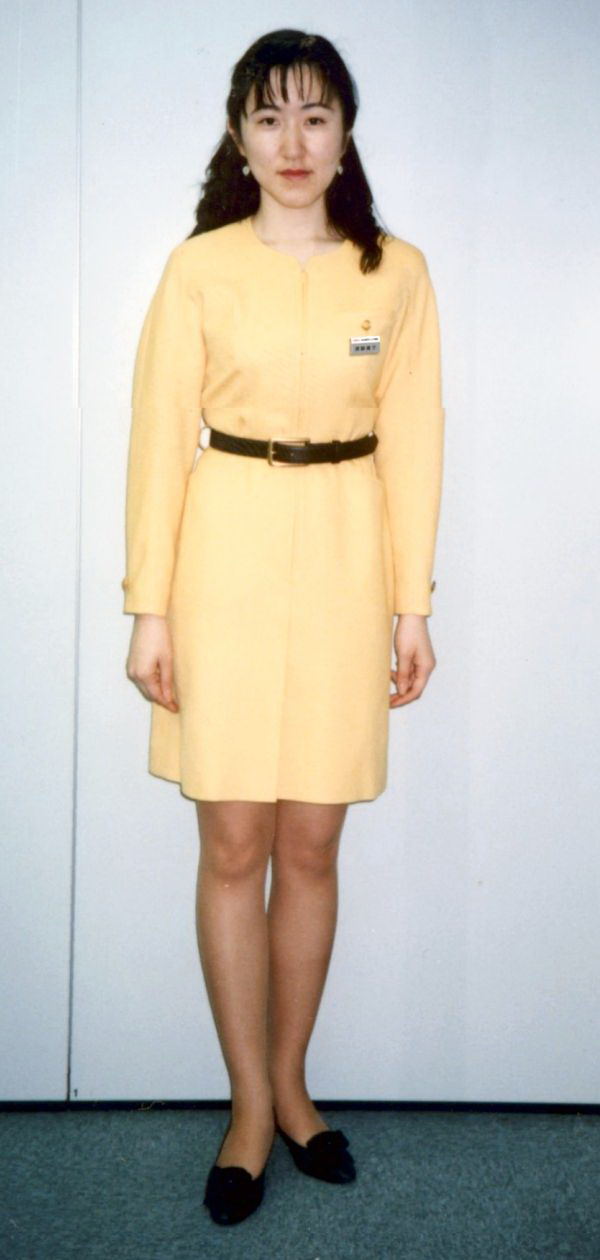
An office lady (Japanese: オフィスレディー, romanized: Ofisuredī), often abbreviated OL (Japanese: オーエル, romanized: Ōeru, pronounced [o̞ːe̞ɾɯ̟ᵝ]), is a female office worker in Japan who performs generally pink-collar tasks such as secretarial or clerical work. Office ladies are usually full-time permanent staff, although the jobs they perform usually have relatively little opportunity for promotion, and there is usually the tacit expectation that they leave their jobs once they get married.[citation needed]
Due to some Japanese pop culture influence in Mainland China, Taiwan and Hong Kong, the term is also in common usage there. However, the meaning of the word is slightly different. The term is also sometimes seen in Anglophone countries.
The rise in OLs began after World War II, as offices expanded. They were first known as "BGs" (for "Business Girls"), but it was later found that English-speakers used a similar acronym, B-girls, to refer to "bargirls". Josei Jishin, a women's magazine, ran a competition to find a better name for the business girls. OL was chosen in 1963 from the entries.
In the 1980s, being an OL was the most common job for Japanese women, and OLs made up approximately one-third of the female work force.
OL stock characters are frequently found in josei manga and anime, often portrayed as attractive, clever, and wistful individuals bored with their jobs, over-pressured by their families, and facing psychological issues.[citation needed]
Especially in the late 20th century, OLs were often depicted as passive and submissive because they did not seem to care about strong sex discrimination against them in the workplace. Many OLs were well educated, yet they were still treated as low-skilled clerical workers, and the fact that OLs were usually responsible for serving tea to office leaders and male employees in the workplace indicates the existence of sexual discrimination against OLs in major Japanese corporations.[citation needed]
OLs were expected to leave the company after they married. The employers, therefore, are reluctant to spend extra money to train OLs.[citation needed]
However, many OLs are content with their position and wages in the company because a great number of them live with their parents and do not have to worry about their daily expenses. Thus, they can spend all their salaries on travelling or luxury goods.
Hub AI
Office lady AI simulator
(@Office lady_simulator)
Office lady
An office lady (Japanese: オフィスレディー, romanized: Ofisuredī), often abbreviated OL (Japanese: オーエル, romanized: Ōeru, pronounced [o̞ːe̞ɾɯ̟ᵝ]), is a female office worker in Japan who performs generally pink-collar tasks such as secretarial or clerical work. Office ladies are usually full-time permanent staff, although the jobs they perform usually have relatively little opportunity for promotion, and there is usually the tacit expectation that they leave their jobs once they get married.[citation needed]
Due to some Japanese pop culture influence in Mainland China, Taiwan and Hong Kong, the term is also in common usage there. However, the meaning of the word is slightly different. The term is also sometimes seen in Anglophone countries.
The rise in OLs began after World War II, as offices expanded. They were first known as "BGs" (for "Business Girls"), but it was later found that English-speakers used a similar acronym, B-girls, to refer to "bargirls". Josei Jishin, a women's magazine, ran a competition to find a better name for the business girls. OL was chosen in 1963 from the entries.
In the 1980s, being an OL was the most common job for Japanese women, and OLs made up approximately one-third of the female work force.
OL stock characters are frequently found in josei manga and anime, often portrayed as attractive, clever, and wistful individuals bored with their jobs, over-pressured by their families, and facing psychological issues.[citation needed]
Especially in the late 20th century, OLs were often depicted as passive and submissive because they did not seem to care about strong sex discrimination against them in the workplace. Many OLs were well educated, yet they were still treated as low-skilled clerical workers, and the fact that OLs were usually responsible for serving tea to office leaders and male employees in the workplace indicates the existence of sexual discrimination against OLs in major Japanese corporations.[citation needed]
OLs were expected to leave the company after they married. The employers, therefore, are reluctant to spend extra money to train OLs.[citation needed]
However, many OLs are content with their position and wages in the company because a great number of them live with their parents and do not have to worry about their daily expenses. Thus, they can spend all their salaries on travelling or luxury goods.