
Recent from talks
Choudhry Rahmat Ali
Knowledge base stats:
Talk channels stats:
Members stats:
Choudhry Rahmat Ali
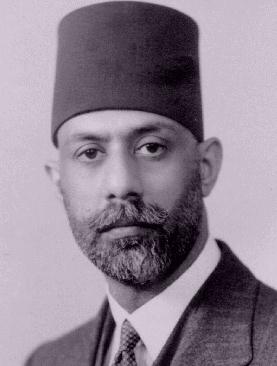
Choudhry Rahmat Ali (16 November 1897 – 3 February 1951) was a Muslim nationalist activist who is credited with coining the name "Pakistan" for a separate Muslim homeland in British India and is sometimes regarded as the originator of the Pakistan Movement.
Born in Balachaur, Punjab, Rahmat Ali got his education in Lahore. His seminal contribution was when he was a law student at the University of Cambridge in 1933, in the form of a pamphlet "Now or Never; Are We to Live or Perish Forever?", also known as the "Pakistan Declaration". The pamphlet was addressed to the British and Indian delegates to the Third Round Table Conference in London. The ideas did not find favour with the delegates or any of the politicians for close to a decade. They were dismissed as students' ideas particularly by Muhammad Ali Jinnah but, by 1940, the Muslim politicians in the subcontinent came around to accept them, leading to the Lahore Resolution of the All-India Muslim League, which was immediately dubbed the "Pakistan Resolution" in the press.
After the creation of Pakistan, Ali returned from England in April 1948, planning to stay in the country, but his belongings were confiscated and he was expelled by Prime Minister Liaquat Ali Khan. In October 1948, Ali left empty-handed. He died on 3 February 1951 in Cambridge "destitute, forlorn and lonely". The funeral expenses of insolvent Ali were covered by Emmanuel College, Cambridge on the instructions of its Master - Edward Welbourne. Ali was buried on 20 February 1951 at Cambridge City Cemetery.
Rahmat Ali was born on 16 November 1897 in the village of Balachaur in the Garhshankar Tahsil of Hoshiarpur District in the Punjab Province of British India. He was born into a Punjabi Muslim family. His father, Haji Shah Muhammad, had two wives; Rahmat Ali was the son of the second. She died when he was too young to remember her, and he was raised by his stepmother. According to the historian K. K. Aziz, who knew Ali personally, he was from the Gorsi clan of Gujjar tribe.
As Balachaur was a small village, Ali had to continue his education in the town of Rahon where there was a middle school. After leaving middle school Ali travelled to Jalandhar in 1910 to enroll in the Saindas Anglo Sanskrit High School - then after matriculation in 1912, he then joined Islamia College Lahore later that year. He passed the intermediate examination in 1915 with English, history, maths and Persian as his subjects of study, he went on to earn a BA degree from Islamia college in 1918, reading English, economics and Persian. During his time at the college he had been secretary of the college debating union as well as being secretary and vice president of his tutorial group - additionally he was editor of the college magazine Crescent.
Outside of college, Ali served as assistant editor of Kashmir, a well-known paper of that time founded and edited by Munshi Muhammad Dın Fauq Kashmiri. Ali had written several articles on Indian history and politics, arguing that northern or north western India was the homeland of the Muslims and that they had the right to rule over it. One of these articles cost him his job, entitled "مغرب کی کورانا تقلید" i.e. "Maghrıb ky Korana Taqlid" (Blind Imitation of the West). The article soon attracted the notice of the British authorities, prompting the Deputy Commissioner of Lahore, Henry Phillips Tollinton, to summon Fauq to his office. There, Tollinton issued a stern reprimand and cautioned him of potential punitive measures should such an incident recur. In the aftermath of this confrontation, Fauq dismissed Ali from his position.
After graduating from Islamia College Lahore in 1918, he taught at Aitchison College Lahore and after this, he served as the Chief Advisor to Sir Nawab Murad Buksh Khan Mazari for six years. During this period, he also took on the role of teacher to Mazari's children, including Mir Balakh Sher Mazari who would later become the Caretaker Prime Minister of Pakistan, and Sardar Sherbaz Khan Mazari, who was the Leader of the Opposition (Pakistan) and the head of the Movement for the Restoration of Democracy, before joining Punjab University to study law. In 1930, he decided to move to England to study law at Emmanuel College, Cambridge which he joined in 1931. Subsequently, he obtained a BA degree in 1933 and MA in 1940 from the University of Cambridge. In 1933, he published a pamphlet, "Now or Never", coining the word Pakistan for the first time. In 1943, he was called to the Bar, from Middle Temple, London.
In 1946, he founded the Pakistan National Movement in England. Until 1947, he continued publishing various booklets about his vision for South Asia. The final Partition of India disillusioned him due to the mass killings and mass migrations it ended up producing. He was also dissatisfied with the distribution of areas between the two countries in The Greatest Betrayal he wrote of the six "deadly blows" that he believes Jinnah had dealt against the Muslims by accepting a smaller Pakistan than Ali had envisioned and considered it a major reason for the disturbances. [citation needed]
Hub AI
Choudhry Rahmat Ali AI simulator
(@Choudhry Rahmat Ali_simulator)
Choudhry Rahmat Ali
Choudhry Rahmat Ali (16 November 1897 – 3 February 1951) was a Muslim nationalist activist who is credited with coining the name "Pakistan" for a separate Muslim homeland in British India and is sometimes regarded as the originator of the Pakistan Movement.
Born in Balachaur, Punjab, Rahmat Ali got his education in Lahore. His seminal contribution was when he was a law student at the University of Cambridge in 1933, in the form of a pamphlet "Now or Never; Are We to Live or Perish Forever?", also known as the "Pakistan Declaration". The pamphlet was addressed to the British and Indian delegates to the Third Round Table Conference in London. The ideas did not find favour with the delegates or any of the politicians for close to a decade. They were dismissed as students' ideas particularly by Muhammad Ali Jinnah but, by 1940, the Muslim politicians in the subcontinent came around to accept them, leading to the Lahore Resolution of the All-India Muslim League, which was immediately dubbed the "Pakistan Resolution" in the press.
After the creation of Pakistan, Ali returned from England in April 1948, planning to stay in the country, but his belongings were confiscated and he was expelled by Prime Minister Liaquat Ali Khan. In October 1948, Ali left empty-handed. He died on 3 February 1951 in Cambridge "destitute, forlorn and lonely". The funeral expenses of insolvent Ali were covered by Emmanuel College, Cambridge on the instructions of its Master - Edward Welbourne. Ali was buried on 20 February 1951 at Cambridge City Cemetery.
Rahmat Ali was born on 16 November 1897 in the village of Balachaur in the Garhshankar Tahsil of Hoshiarpur District in the Punjab Province of British India. He was born into a Punjabi Muslim family. His father, Haji Shah Muhammad, had two wives; Rahmat Ali was the son of the second. She died when he was too young to remember her, and he was raised by his stepmother. According to the historian K. K. Aziz, who knew Ali personally, he was from the Gorsi clan of Gujjar tribe.
As Balachaur was a small village, Ali had to continue his education in the town of Rahon where there was a middle school. After leaving middle school Ali travelled to Jalandhar in 1910 to enroll in the Saindas Anglo Sanskrit High School - then after matriculation in 1912, he then joined Islamia College Lahore later that year. He passed the intermediate examination in 1915 with English, history, maths and Persian as his subjects of study, he went on to earn a BA degree from Islamia college in 1918, reading English, economics and Persian. During his time at the college he had been secretary of the college debating union as well as being secretary and vice president of his tutorial group - additionally he was editor of the college magazine Crescent.
Outside of college, Ali served as assistant editor of Kashmir, a well-known paper of that time founded and edited by Munshi Muhammad Dın Fauq Kashmiri. Ali had written several articles on Indian history and politics, arguing that northern or north western India was the homeland of the Muslims and that they had the right to rule over it. One of these articles cost him his job, entitled "مغرب کی کورانا تقلید" i.e. "Maghrıb ky Korana Taqlid" (Blind Imitation of the West). The article soon attracted the notice of the British authorities, prompting the Deputy Commissioner of Lahore, Henry Phillips Tollinton, to summon Fauq to his office. There, Tollinton issued a stern reprimand and cautioned him of potential punitive measures should such an incident recur. In the aftermath of this confrontation, Fauq dismissed Ali from his position.
After graduating from Islamia College Lahore in 1918, he taught at Aitchison College Lahore and after this, he served as the Chief Advisor to Sir Nawab Murad Buksh Khan Mazari for six years. During this period, he also took on the role of teacher to Mazari's children, including Mir Balakh Sher Mazari who would later become the Caretaker Prime Minister of Pakistan, and Sardar Sherbaz Khan Mazari, who was the Leader of the Opposition (Pakistan) and the head of the Movement for the Restoration of Democracy, before joining Punjab University to study law. In 1930, he decided to move to England to study law at Emmanuel College, Cambridge which he joined in 1931. Subsequently, he obtained a BA degree in 1933 and MA in 1940 from the University of Cambridge. In 1933, he published a pamphlet, "Now or Never", coining the word Pakistan for the first time. In 1943, he was called to the Bar, from Middle Temple, London.
In 1946, he founded the Pakistan National Movement in England. Until 1947, he continued publishing various booklets about his vision for South Asia. The final Partition of India disillusioned him due to the mass killings and mass migrations it ended up producing. He was also dissatisfied with the distribution of areas between the two countries in The Greatest Betrayal he wrote of the six "deadly blows" that he believes Jinnah had dealt against the Muslims by accepting a smaller Pakistan than Ali had envisioned and considered it a major reason for the disturbances. [citation needed]
Recent media