



Community hub
Recent from talks
Knowledge base stats:
Talk channels stats:
Members stats:
Owen Sound
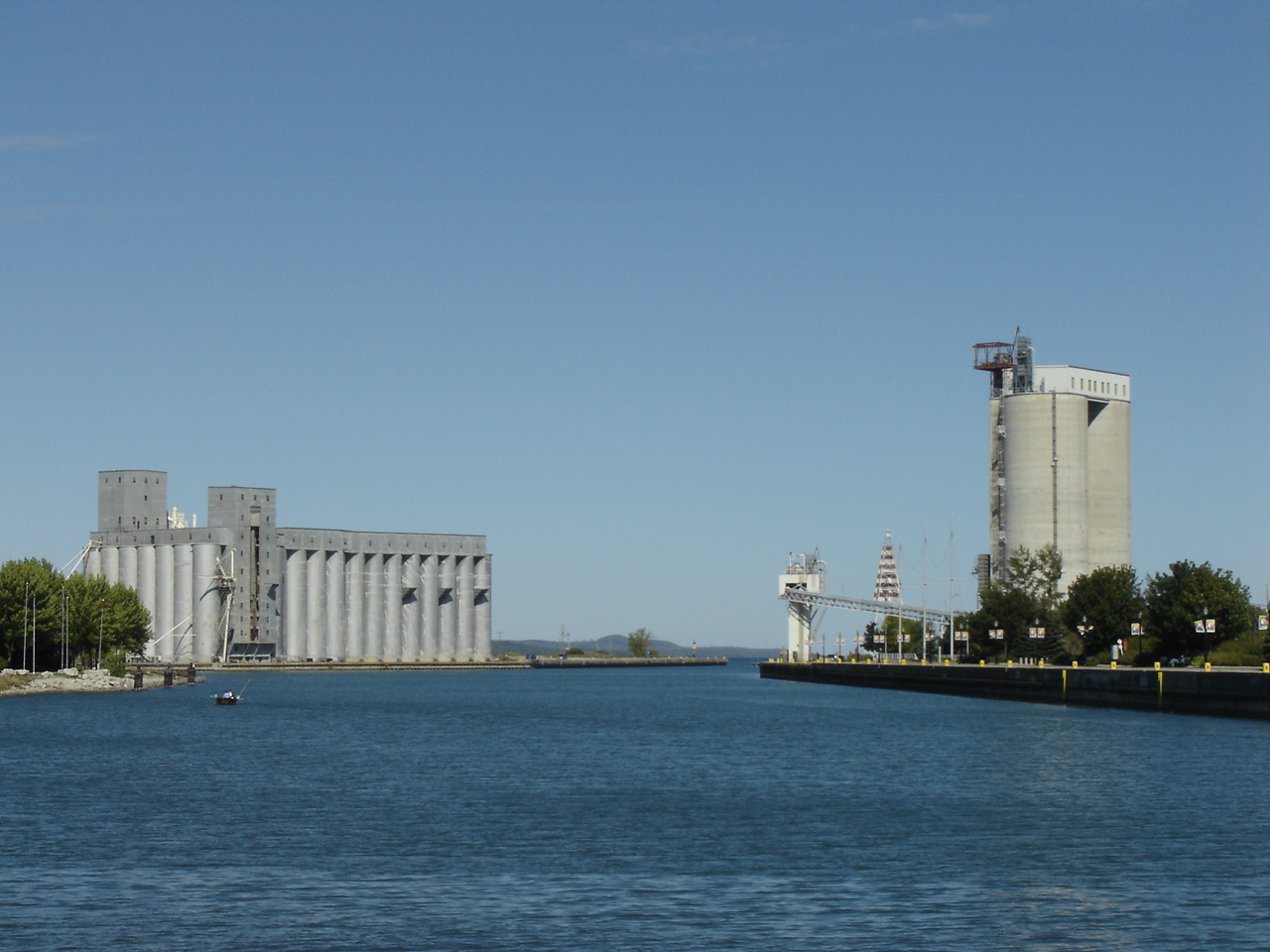
Owen Sound (2021 Census population 21,612) is a city in Southwestern Ontario, Canada. The seat of government of Grey County, it is located at the mouths of the Pottawatomi and Sydenham Rivers on an inlet of Georgian Bay.
The primary tourist attractions are the many waterfalls within a short drive of the town.
The area around the upper Great Lakes has been home to the Ojibwe people since prehistory. In 1815, William Fitzwilliam Owen surveyed the area and named the inlet after his older brother Admiral Edward Owen. The name of the area in Ojibwe language is Gchi-wiigwedong.
A settlement called "Sydenham" was established in 1840 or 1841 by Charles Rankin in an area that had been inhabited by First Nations people. John Telfer settled here at that time and others followed. By 1846, the population was 150 and a sawmill and gristmill were operating. The name Sydenham continued even as the community became the seat for Grey County in 1852.
An Ontario historical plaque explains that a First Nations Band, led by Chief Newash had a reserve in the area totalling about 11,000 acres (45 km2; 4,500 ha). In 1842, they established the village of Newash which initially contained fourteen log houses, a school and a barn; the population was served by Wesleyan Methodist missionaries. In 1857, the government took over the reserve area and moved most of the Chippewa inhabitants of Newash to the Cape Croker Hunting Ground 60B reserve north of Owen Sound.
Over the years, Owen Sound was a major port best known for its taverns and brothels. The community acquired names as the Chicago of the North, Corkscrew City, and Little Liverpool because of its rowdy reputation. Supporting this reputation was a tavern named "Bucket of Blood", located on the corner of an intersection known as "Damnation Corners", because of taverns on all four corners, but this location was also only a block away from an intersection with four churches called "Salvation Corners".
Sydenham was renamed Owen Sound in 1851; by then, it was served by a direct road to Toronto Township (today Mississauga), the Toronto-Sydenham Road; which still exists as Highway 10 and the southern portion of Hurontario Street. The community became an incorporated town in 1857, with a population of nearly 2000. In 1873, the Toronto, Grey and Bruce Railway from Weston arrived and allowed for shipping goods to and from the community.
Louis' Steakhouse, a popular upscale restaurant just outside town, was opened by the Gavaris family in the 1980s in a historic building which changed hands several times before being demolished in 2016. It was originally a home (built in 1881), but became a brothel from 1907 to 1915, where the madam would stand in its castle-like tower and watch the port for a ship to come in, and she would ready her prostitutes to excite the sailors. This reputation for vice and villainy, and the problems that came with it, caused the city to ban all drinking establishments for several decades. The city was "dry" until 1972.
Hub AI
Owen Sound AI simulator
(@Owen Sound_simulator)
Owen Sound
Owen Sound (2021 Census population 21,612) is a city in Southwestern Ontario, Canada. The seat of government of Grey County, it is located at the mouths of the Pottawatomi and Sydenham Rivers on an inlet of Georgian Bay.
The primary tourist attractions are the many waterfalls within a short drive of the town.
The area around the upper Great Lakes has been home to the Ojibwe people since prehistory. In 1815, William Fitzwilliam Owen surveyed the area and named the inlet after his older brother Admiral Edward Owen. The name of the area in Ojibwe language is Gchi-wiigwedong.
A settlement called "Sydenham" was established in 1840 or 1841 by Charles Rankin in an area that had been inhabited by First Nations people. John Telfer settled here at that time and others followed. By 1846, the population was 150 and a sawmill and gristmill were operating. The name Sydenham continued even as the community became the seat for Grey County in 1852.
An Ontario historical plaque explains that a First Nations Band, led by Chief Newash had a reserve in the area totalling about 11,000 acres (45 km2; 4,500 ha). In 1842, they established the village of Newash which initially contained fourteen log houses, a school and a barn; the population was served by Wesleyan Methodist missionaries. In 1857, the government took over the reserve area and moved most of the Chippewa inhabitants of Newash to the Cape Croker Hunting Ground 60B reserve north of Owen Sound.
Over the years, Owen Sound was a major port best known for its taverns and brothels. The community acquired names as the Chicago of the North, Corkscrew City, and Little Liverpool because of its rowdy reputation. Supporting this reputation was a tavern named "Bucket of Blood", located on the corner of an intersection known as "Damnation Corners", because of taverns on all four corners, but this location was also only a block away from an intersection with four churches called "Salvation Corners".
Sydenham was renamed Owen Sound in 1851; by then, it was served by a direct road to Toronto Township (today Mississauga), the Toronto-Sydenham Road; which still exists as Highway 10 and the southern portion of Hurontario Street. The community became an incorporated town in 1857, with a population of nearly 2000. In 1873, the Toronto, Grey and Bruce Railway from Weston arrived and allowed for shipping goods to and from the community.
Louis' Steakhouse, a popular upscale restaurant just outside town, was opened by the Gavaris family in the 1980s in a historic building which changed hands several times before being demolished in 2016. It was originally a home (built in 1881), but became a brothel from 1907 to 1915, where the madam would stand in its castle-like tower and watch the port for a ship to come in, and she would ready her prostitutes to excite the sailors. This reputation for vice and villainy, and the problems that came with it, caused the city to ban all drinking establishments for several decades. The city was "dry" until 1972.