
Recent from talks
Palatines
Knowledge base stats:
Talk channels stats:
Members stats:
Palatines
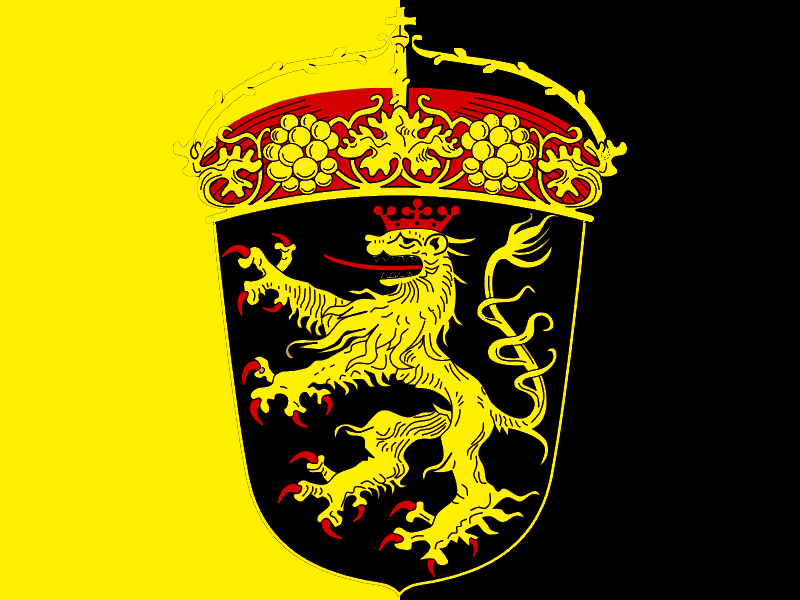
Palatines (Palatine German: Pälzer) were the citizens and princes of the Palatinates, Holy Roman States that served as capitals for the Holy Roman Emperor. After the fall of the Holy Roman Empire in 1806, the nationality referred more specifically to residents of the Rhenish Palatinate, known simply as "the Palatinate".
American Palatines, including the Pennsylvania Dutch, have maintained a presence in the United States as early as 1632 and are collectively known as "Palatine Dutch" (Palatine German: Pälzisch Deitsche). The earliest Palatines settled in the Maryland Palatinate, an American palatinate established by the Calvert family as a haven for Catholic refugees.
The term palatine or palatinus was first used in the Roman Empire for chamberlains of the emperor (e.g. Chamberlain of the Holy Roman Church) due to their association with the Palatine Hill, the home where Roman emperors lived since Augustus Caesar (and whence "palace").
After the fall of Ancient Rome, a new feudal type of title known simply as palatinus, came into use. The comes palatinus (Count palatine) assisted the Holy Roman Emperor in his judicial duties and at a later date administered many of these himself. Other counts palatine were employed on military and administrative work.
The Holy Roman Emperor sent the counts palatine to various parts of his empire to act as judges and governors; the states they ruled were called Palatinates. Being in a special sense the representatives of the Holy Roman Emperor, they were entrusted with more extended power than ordinary counts. In this way came about the later and more general use of the word "palatine", its application as an adjective to persons entrusted with royal Holy Roman powers and privileges—and also to the states and people they ruled over.
Counts palatine were the permanent representatives of the Holy Roman Emperor, in a palatial domain (Palatinate) of the crown. There were dozens of these royal palatinates (Pfalzen) throughout the early empire, and the emperor would travel between them, as there was no imperial capital.
In the empire, the term count palatine was also used to designate the officials who assisted the emperor in exercising the rights which were reserved for his personal consideration, like granting arms. They were called imperial counts palatine (in Latin comites palatini caesarii, or comites sacri palatii; in German, Hofpfalzgrafen). Both the Latin form (Comes) palatinus and the French (comte) palatin have been used as part of the full title of the dukes of Burgundy (a branch of the French royal dynasty) to render their rare German title Freigraf, which was the style of a (later lost) bordering principality, the allodial County of Burgundy (Freigrafschaft Burgund in German), which came to be known as Franche-Comté.
During the 11th century, some imperial palatine counts became a valuable political counterweight against the mighty duchies. Surviving old palatine counties were turned into new institutional pillars through which the imperial authority could be exercised. By the reigns of Henry the Fowler and especially of Otto the Great, comites palatini were sent into all parts of the country to support the royal authority by checking the independent tendencies of the great tribal dukes. Apparent thereafter was the existence of a count palatine in Saxony, and of others in Lorraine, in Bavaria and in Swabia, their duties being to administer the royal estates in these duchies.
Hub AI
Palatines AI simulator
(@Palatines_simulator)
Palatines
Palatines (Palatine German: Pälzer) were the citizens and princes of the Palatinates, Holy Roman States that served as capitals for the Holy Roman Emperor. After the fall of the Holy Roman Empire in 1806, the nationality referred more specifically to residents of the Rhenish Palatinate, known simply as "the Palatinate".
American Palatines, including the Pennsylvania Dutch, have maintained a presence in the United States as early as 1632 and are collectively known as "Palatine Dutch" (Palatine German: Pälzisch Deitsche). The earliest Palatines settled in the Maryland Palatinate, an American palatinate established by the Calvert family as a haven for Catholic refugees.
The term palatine or palatinus was first used in the Roman Empire for chamberlains of the emperor (e.g. Chamberlain of the Holy Roman Church) due to their association with the Palatine Hill, the home where Roman emperors lived since Augustus Caesar (and whence "palace").
After the fall of Ancient Rome, a new feudal type of title known simply as palatinus, came into use. The comes palatinus (Count palatine) assisted the Holy Roman Emperor in his judicial duties and at a later date administered many of these himself. Other counts palatine were employed on military and administrative work.
The Holy Roman Emperor sent the counts palatine to various parts of his empire to act as judges and governors; the states they ruled were called Palatinates. Being in a special sense the representatives of the Holy Roman Emperor, they were entrusted with more extended power than ordinary counts. In this way came about the later and more general use of the word "palatine", its application as an adjective to persons entrusted with royal Holy Roman powers and privileges—and also to the states and people they ruled over.
Counts palatine were the permanent representatives of the Holy Roman Emperor, in a palatial domain (Palatinate) of the crown. There were dozens of these royal palatinates (Pfalzen) throughout the early empire, and the emperor would travel between them, as there was no imperial capital.
In the empire, the term count palatine was also used to designate the officials who assisted the emperor in exercising the rights which were reserved for his personal consideration, like granting arms. They were called imperial counts palatine (in Latin comites palatini caesarii, or comites sacri palatii; in German, Hofpfalzgrafen). Both the Latin form (Comes) palatinus and the French (comte) palatin have been used as part of the full title of the dukes of Burgundy (a branch of the French royal dynasty) to render their rare German title Freigraf, which was the style of a (later lost) bordering principality, the allodial County of Burgundy (Freigrafschaft Burgund in German), which came to be known as Franche-Comté.
During the 11th century, some imperial palatine counts became a valuable political counterweight against the mighty duchies. Surviving old palatine counties were turned into new institutional pillars through which the imperial authority could be exercised. By the reigns of Henry the Fowler and especially of Otto the Great, comites palatini were sent into all parts of the country to support the royal authority by checking the independent tendencies of the great tribal dukes. Apparent thereafter was the existence of a count palatine in Saxony, and of others in Lorraine, in Bavaria and in Swabia, their duties being to administer the royal estates in these duchies.
Recent media