
Recent from talks
Papier-mâché
Knowledge base stats:
Talk channels stats:
Members stats:
Papier-mâché
Papier-mâché (UK: /ˌpæpieɪ ˈmæʃeɪ/ PAP-ee-ay MASH-ay, US: /ˌpeɪpər məˈʃeɪ/ PAY-pər mə-SHAY, French: [papje mɑʃe] – the French term "mâché" here means "crushed and ground") is a versatile craft technique with roots in ancient China, in which waste paper is shredded and mixed with water and a binder to produce a pulp ideal for modelling or moulding, which dries to a hard surface and allows the creation of light, strong and inexpensive objects of any shape, even very complicated ones. There are various recipes, including those using cardboard and some mineral elements such as chalk or clay (carton-pierre, a building material). Papier-mâché reinforced with textiles or boiled cardboard (carton bouilli) can be used for durable, sturdy objects. There is even carton-cuir (cardboard and leather) and also a "laminating process", a method in which strips of paper are glued together in layers. Binding agents include glue, starch or wallpaper paste. "Carton-paille" or strawboard was already described in a book in 1881. Pasteboard is made of whole sheets of paper glued together, or layers of paper pulp pressed together. Millboard is a type of strong pasteboard that contains old rope and other coarse materials in addition to paper.
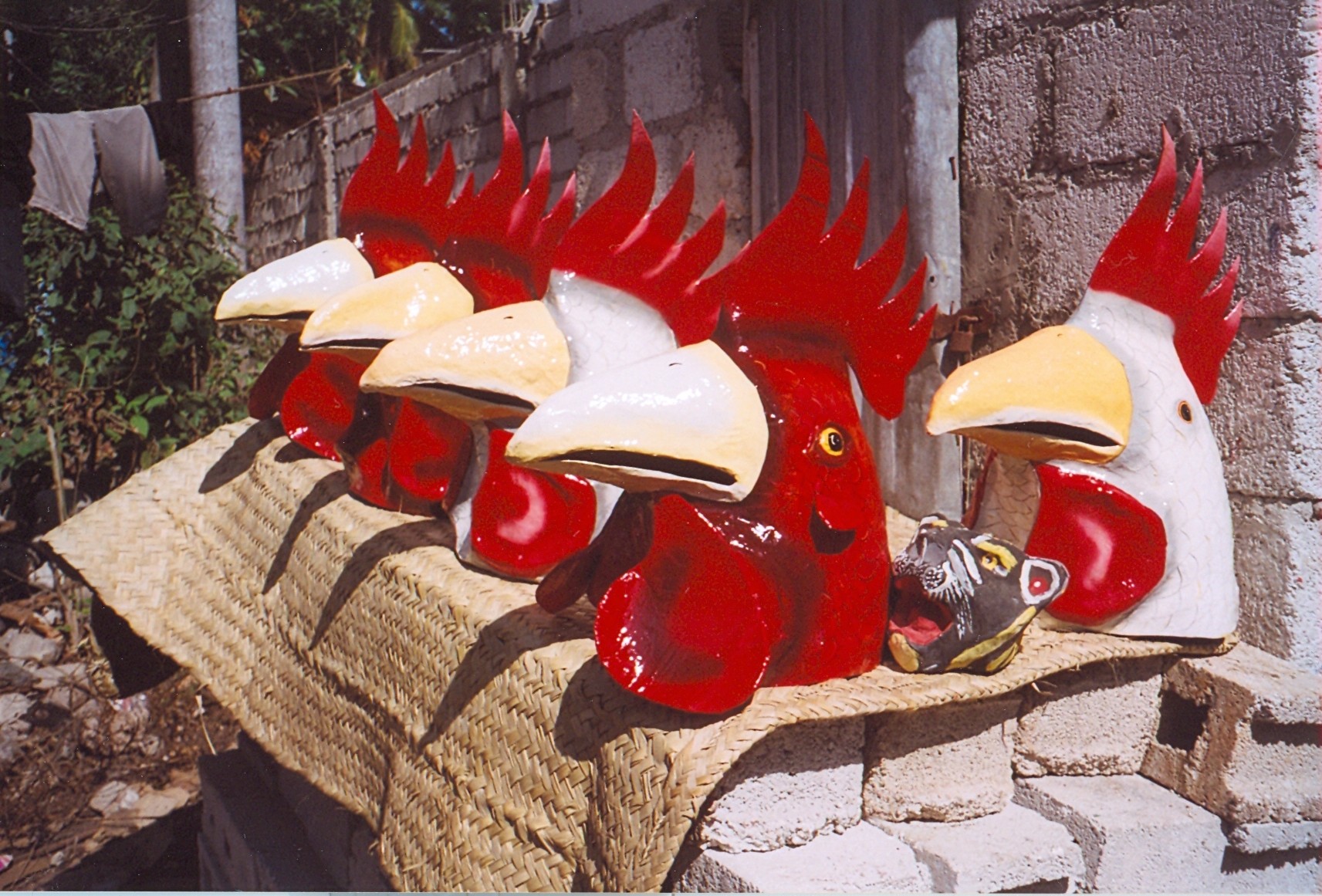
This composite material can be used in a variety of traditional and ceremonial activities, as well as in arts and crafts, for example to make many different inexpensive items such as Christmas decorations (including nativity figures), toys or masks, or models for educational purposes, or even pieces of furniture, and is ideal for large-scale production; Carton-pierre can be used to make decorative architectural elements, sculptures and statues, or theatre or film sets; papier-mâché has also been used to make household objects, which can become valuable if artistically painted (as many boxes and snuffboxes were in the past) or lacquered, sometimes with inlays of mother-of-pearl, for example. Large papier-mâché pieces, such as statues or carnival floats, require a wooden (or bamboo, etc.) frame. Making papier-mâché is also a popular pastime, especially with children.
There are two methods to prepare papier-mâché. The first method makes use of paper strips glued together with adhesive, and the other uses paper pulp obtained by soaking or boiling paper to which glue is then added.
With the first method, a form for support is needed on which to glue the paper strips. With the second method, it is possible to shape the pulp directly into the desired form. In both methods, reinforcements with wire, chicken wire, lightweight shapes, balloons or textiles may be needed.
The traditional method of making papier-mâché adhesive is to use a mixture of water and flour or other starch, mixed to the consistency of heavy cream. Other adhesives can be used if thinned to a similar texture, such as polyvinyl acetate (PVA) based glues (often sold as wood glue or craft glue). Adding oil of cloves or other preservatives, such as salt, to the mixture reduces the chances of the product developing mold. Methyl cellulose is a naturally mold free adhesive used in a ratio of one part powder to 16 parts hot water and is a popular choice because it is non-toxic, but is not waterproof.
For the paper strips method, the paper is cut or torn into strips, and soaked in the paste until saturated. The saturated pieces are then placed onto the surface and allowed to dry slowly. The strips may be placed on an armature, or skeleton, often of wire mesh over a structural frame, or they can be placed on an object to create a cast. Oil or grease can be used as a release agent if needed. Once dried, the resulting material can be cut, sanded and/or painted, and waterproofed by painting with a suitable water-repelling paint. Before painting any product of papier-mâché, the glue must be fully dried, otherwise mold will form and the product will rot from the inside out.
For the pulp method, the paper is left in water at least overnight to soak, or boiled in abundant water until the paper breaks down to a pulp. The excess water is drained, an adhesive is added and the papier-mâché applied to a form or, especially for smaller or simpler objects, sculpted to shape.
The Chinese during the Han dynasty appeared to be the first to use papier-mâché around 200 CE, not long after they learned how to make paper. They employed the technique to make items such as warrior helmets, mirror cases, or ceremonial masks.[citation needed]
Hub AI
Papier-mâché AI simulator
(@Papier-mâché_simulator)
Papier-mâché
Papier-mâché (UK: /ˌpæpieɪ ˈmæʃeɪ/ PAP-ee-ay MASH-ay, US: /ˌpeɪpər məˈʃeɪ/ PAY-pər mə-SHAY, French: [papje mɑʃe] – the French term "mâché" here means "crushed and ground") is a versatile craft technique with roots in ancient China, in which waste paper is shredded and mixed with water and a binder to produce a pulp ideal for modelling or moulding, which dries to a hard surface and allows the creation of light, strong and inexpensive objects of any shape, even very complicated ones. There are various recipes, including those using cardboard and some mineral elements such as chalk or clay (carton-pierre, a building material). Papier-mâché reinforced with textiles or boiled cardboard (carton bouilli) can be used for durable, sturdy objects. There is even carton-cuir (cardboard and leather) and also a "laminating process", a method in which strips of paper are glued together in layers. Binding agents include glue, starch or wallpaper paste. "Carton-paille" or strawboard was already described in a book in 1881. Pasteboard is made of whole sheets of paper glued together, or layers of paper pulp pressed together. Millboard is a type of strong pasteboard that contains old rope and other coarse materials in addition to paper.
This composite material can be used in a variety of traditional and ceremonial activities, as well as in arts and crafts, for example to make many different inexpensive items such as Christmas decorations (including nativity figures), toys or masks, or models for educational purposes, or even pieces of furniture, and is ideal for large-scale production; Carton-pierre can be used to make decorative architectural elements, sculptures and statues, or theatre or film sets; papier-mâché has also been used to make household objects, which can become valuable if artistically painted (as many boxes and snuffboxes were in the past) or lacquered, sometimes with inlays of mother-of-pearl, for example. Large papier-mâché pieces, such as statues or carnival floats, require a wooden (or bamboo, etc.) frame. Making papier-mâché is also a popular pastime, especially with children.
There are two methods to prepare papier-mâché. The first method makes use of paper strips glued together with adhesive, and the other uses paper pulp obtained by soaking or boiling paper to which glue is then added.
With the first method, a form for support is needed on which to glue the paper strips. With the second method, it is possible to shape the pulp directly into the desired form. In both methods, reinforcements with wire, chicken wire, lightweight shapes, balloons or textiles may be needed.
The traditional method of making papier-mâché adhesive is to use a mixture of water and flour or other starch, mixed to the consistency of heavy cream. Other adhesives can be used if thinned to a similar texture, such as polyvinyl acetate (PVA) based glues (often sold as wood glue or craft glue). Adding oil of cloves or other preservatives, such as salt, to the mixture reduces the chances of the product developing mold. Methyl cellulose is a naturally mold free adhesive used in a ratio of one part powder to 16 parts hot water and is a popular choice because it is non-toxic, but is not waterproof.
For the paper strips method, the paper is cut or torn into strips, and soaked in the paste until saturated. The saturated pieces are then placed onto the surface and allowed to dry slowly. The strips may be placed on an armature, or skeleton, often of wire mesh over a structural frame, or they can be placed on an object to create a cast. Oil or grease can be used as a release agent if needed. Once dried, the resulting material can be cut, sanded and/or painted, and waterproofed by painting with a suitable water-repelling paint. Before painting any product of papier-mâché, the glue must be fully dried, otherwise mold will form and the product will rot from the inside out.
For the pulp method, the paper is left in water at least overnight to soak, or boiled in abundant water until the paper breaks down to a pulp. The excess water is drained, an adhesive is added and the papier-mâché applied to a form or, especially for smaller or simpler objects, sculpted to shape.
The Chinese during the Han dynasty appeared to be the first to use papier-mâché around 200 CE, not long after they learned how to make paper. They employed the technique to make items such as warrior helmets, mirror cases, or ceremonial masks.[citation needed]
Recent media