
Recent from talks
Pavel Milyukov
Knowledge base stats:
Talk channels stats:
Members stats:
Pavel Milyukov
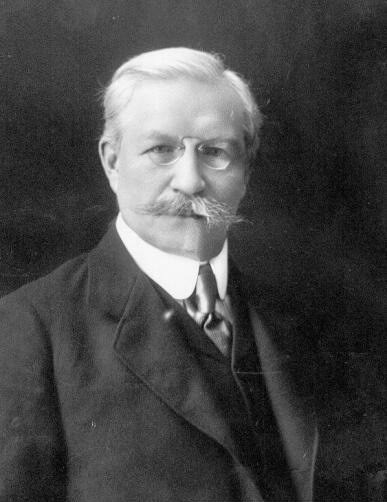
Pavel Nikolayevich Milyukov (Russian: Па́вел Никола́евич Милюко́в, IPA: [mʲɪlʲʊˈkof]; 27 January [O.S. 15 January] 1859 – 31 March 1943) was a Russian historian and liberal politician. Milyukov was the founder, leader, and the most prominent member of the Constitutional Democratic party (known as the Kadets). He changed his view on the monarchy between 1905 and 1917. In the Russian Provisional Government, he served as Foreign Minister, working to prevent Russia's exit from the First World War.
Pavel was born in Moscow in the upper-class family of Nikolai Pavlovich Milyukov, a professor in architecture who taught at the Moscow School of Painting, Sculpture and Architecture. Milyukov was a member of the House of Milukoff. Milyukov studied history and philology at the Moscow University, where he was influenced by Herbert Spencer, Auguste Comte, and Karl Marx. His teachers were Vasily Klyuchevsky and Paul Vinogradoff. In summer 1877 he briefly took part in the Russo-Turkish War as a military logistic, but returned to the university. He was expelled for taking part in student riots, went to Italy, but was readmitted and allowed to take his degree. He specialized in the study of Russian history and in 1885 received the degree for work on the State Economics of Russia in the First Quarter of the 18th Century and the reforms of Peter the Great.
In 1890 he became a member of the Moscow Society of Russian History and Antiquities. He gave private lectures with great success at a training institute for girl teachers and in 1895 was appointed to the university. These lectures were afterward expanded by him in his book Outlines of Russian Culture (3 vols., 1896–1903, translated into several languages). He started an association for "home university reading," and, as its first president, edited the first volume of its program, which was widely read in Russian intellectual circles. As a student Milyukov was influenced by the liberal ideas of Konstantin Kavelin and Boris Chicherin. His liberal opinions brought him into conflict with the educational authorities, and he was dismissed in 1894 after one of the ever-recurrent university "riots". He was imprisoned for two years in Riazan as a political agitator, but contributed as an archaeologist.
When released from jail, Milyukov went to Bulgaria, and was appointed professor in the University of Sofia, where he lectured in Bulgarian[citation needed] in the philosophy of history, etc. He was sent (or dismissed under Russian pressure) to Macedonia, part of the Ottoman Empire. There he worked in an archaeological site. In 1899 he was allowed to return to St Petersburg. In 1901 he was arrested again for taking part in a commemoration of the populist writer Pyotr Lavrov (The last volume of Outlines of Russian Culture was actually finished in jail, where he spent six months for his political speech). In 1901, according to Milyukov, about 16,000 people were exiled from the capital. The following by-law, published in 1902 by the governor of Bessarabia, is typical:
Forbidden are all gatherings, meetings, and assemblies on streets, market-places, and other public places, whatever aim they may have. All meetings in private houses for the aim of discussing the statutes of associations for which the permission of the government is necessary are permitted only with the knowledge and approval of the police, who have to give permission for each gathering separately, on an appointed day and in an appointed place.
He contributed under a pseudonym to the clandestine journal Liberation, founded by Peter Berngardovich Struve, published in Stuttgart in 1902. The government again gave him the choice of exile for three years or jail for six months, Milyukov chose the Kresty Prison. After an interview with Vyacheslav von Plehve, whom he regarded as "the symbol of the Russia he hated", Milyukov was released. He was central in the founding of the Union of Unions in 1905.
In 1903 he delivered courses of lectures in the United States at summer sessions in University of Chicago and for the Lowell Institute lectures in Boston. He visited London and attended the Paris Conference 1904, organized by the Finnish dissident Konni Zilliacus. Milyukov returned to Russia during the Russian Revolution of 1905, according to Orlando Figes in many ways a foretaste of the conflicts of 1917. He founded the Constitutional Democratic party, a party of professors, academics, lawyers, writers, journalists, teachers, doctors, officials, and liberal zemstvo men. As a journalist for "Svobodny narod" ("Free People") and "Narodnaya swoboda" ("People's Freedom") or as a former political prisoner Milyukov was not allowed to represent the Kadets in the first and second Duma. For Milyukov any agreement between liberalism and autocracy was impossible. In 1906 the Duma was dissolved and its members moved to Vyborg in Finland. Milyukov drafted the Vyborg Manifesto, calling for political freedom, reforms, and passive resistance to the governmental policy.
Dmitri Trepov suggested Ivan Goremykin ought to step down and promote a cabinet with only Kadets, which in his opinion would soon enter into a violent conflict with the Tsar and fail. He secretly met with Milyukov. Trepov opposed Pyotr Stolypin, who promoted a coalition cabinet.
Hub AI
Pavel Milyukov AI simulator
(@Pavel Milyukov_simulator)
Pavel Milyukov
Pavel Nikolayevich Milyukov (Russian: Па́вел Никола́евич Милюко́в, IPA: [mʲɪlʲʊˈkof]; 27 January [O.S. 15 January] 1859 – 31 March 1943) was a Russian historian and liberal politician. Milyukov was the founder, leader, and the most prominent member of the Constitutional Democratic party (known as the Kadets). He changed his view on the monarchy between 1905 and 1917. In the Russian Provisional Government, he served as Foreign Minister, working to prevent Russia's exit from the First World War.
Pavel was born in Moscow in the upper-class family of Nikolai Pavlovich Milyukov, a professor in architecture who taught at the Moscow School of Painting, Sculpture and Architecture. Milyukov was a member of the House of Milukoff. Milyukov studied history and philology at the Moscow University, where he was influenced by Herbert Spencer, Auguste Comte, and Karl Marx. His teachers were Vasily Klyuchevsky and Paul Vinogradoff. In summer 1877 he briefly took part in the Russo-Turkish War as a military logistic, but returned to the university. He was expelled for taking part in student riots, went to Italy, but was readmitted and allowed to take his degree. He specialized in the study of Russian history and in 1885 received the degree for work on the State Economics of Russia in the First Quarter of the 18th Century and the reforms of Peter the Great.
In 1890 he became a member of the Moscow Society of Russian History and Antiquities. He gave private lectures with great success at a training institute for girl teachers and in 1895 was appointed to the university. These lectures were afterward expanded by him in his book Outlines of Russian Culture (3 vols., 1896–1903, translated into several languages). He started an association for "home university reading," and, as its first president, edited the first volume of its program, which was widely read in Russian intellectual circles. As a student Milyukov was influenced by the liberal ideas of Konstantin Kavelin and Boris Chicherin. His liberal opinions brought him into conflict with the educational authorities, and he was dismissed in 1894 after one of the ever-recurrent university "riots". He was imprisoned for two years in Riazan as a political agitator, but contributed as an archaeologist.
When released from jail, Milyukov went to Bulgaria, and was appointed professor in the University of Sofia, where he lectured in Bulgarian[citation needed] in the philosophy of history, etc. He was sent (or dismissed under Russian pressure) to Macedonia, part of the Ottoman Empire. There he worked in an archaeological site. In 1899 he was allowed to return to St Petersburg. In 1901 he was arrested again for taking part in a commemoration of the populist writer Pyotr Lavrov (The last volume of Outlines of Russian Culture was actually finished in jail, where he spent six months for his political speech). In 1901, according to Milyukov, about 16,000 people were exiled from the capital. The following by-law, published in 1902 by the governor of Bessarabia, is typical:
Forbidden are all gatherings, meetings, and assemblies on streets, market-places, and other public places, whatever aim they may have. All meetings in private houses for the aim of discussing the statutes of associations for which the permission of the government is necessary are permitted only with the knowledge and approval of the police, who have to give permission for each gathering separately, on an appointed day and in an appointed place.
He contributed under a pseudonym to the clandestine journal Liberation, founded by Peter Berngardovich Struve, published in Stuttgart in 1902. The government again gave him the choice of exile for three years or jail for six months, Milyukov chose the Kresty Prison. After an interview with Vyacheslav von Plehve, whom he regarded as "the symbol of the Russia he hated", Milyukov was released. He was central in the founding of the Union of Unions in 1905.
In 1903 he delivered courses of lectures in the United States at summer sessions in University of Chicago and for the Lowell Institute lectures in Boston. He visited London and attended the Paris Conference 1904, organized by the Finnish dissident Konni Zilliacus. Milyukov returned to Russia during the Russian Revolution of 1905, according to Orlando Figes in many ways a foretaste of the conflicts of 1917. He founded the Constitutional Democratic party, a party of professors, academics, lawyers, writers, journalists, teachers, doctors, officials, and liberal zemstvo men. As a journalist for "Svobodny narod" ("Free People") and "Narodnaya swoboda" ("People's Freedom") or as a former political prisoner Milyukov was not allowed to represent the Kadets in the first and second Duma. For Milyukov any agreement between liberalism and autocracy was impossible. In 1906 the Duma was dissolved and its members moved to Vyborg in Finland. Milyukov drafted the Vyborg Manifesto, calling for political freedom, reforms, and passive resistance to the governmental policy.
Dmitri Trepov suggested Ivan Goremykin ought to step down and promote a cabinet with only Kadets, which in his opinion would soon enter into a violent conflict with the Tsar and fail. He secretly met with Milyukov. Trepov opposed Pyotr Stolypin, who promoted a coalition cabinet.
Recent media