



Community hub
Recent from talks
Knowledge base stats:
Talk channels stats:
Members stats:
Environmental impact of pesticides
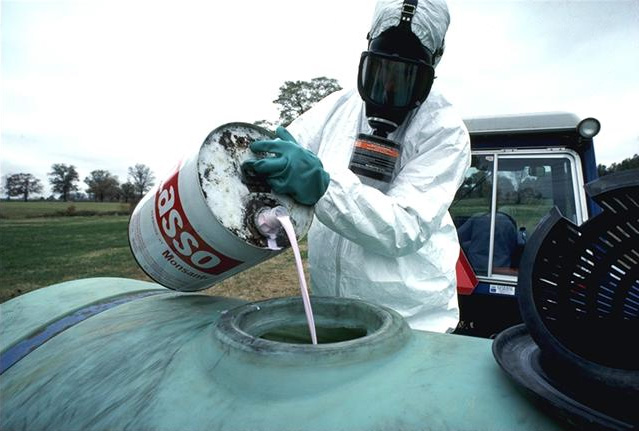
The environmental effects of pesticides describe the broad series of consequences of using pesticides. The unintended consequences of pesticides is one of the main drivers of the negative impact of modern industrial agriculture on the environment. Pesticides, because they are toxic chemicals meant to kill pest species, can affect non-target species, such as plants, animals and humans. Over 98% of sprayed insecticides and 95% of herbicides reach a destination other than their target species, because they are sprayed or spread across entire agricultural fields. Other agrochemicals, such as fertilizers, can also have negative effects on the environment.
The negative effects of pesticides are not just in the area of application. Runoff and pesticide drift can carry pesticides into distant aquatic environments or other fields, grazing areas, human settlements and undeveloped areas. Other problems emerge from poor production, transport, storage and disposal practices. Over time, repeat application of pesticides increases pest resistance, while its effects on other species can facilitate the pest's resurgence. Alternatives to heavy use of pesticides, such as integrated pest management, and sustainable agriculture techniques such as polyculture mitigate these consequences, without the harmful toxic chemical application.
Environmental modelling indicates that globally over 60% of global agricultural land (~24.5 million km²) is "at risk of pesticide pollution by more than one active ingredient", and that over 30% is at "high risk" of which a third are in high-biodiversity regions. Each pesticide or pesticide class comes with a specific set of environmental concerns. Such undesirable effects have led many pesticides to be banned, while regulations have limited and/or reduced the use of others. The global spread of pesticide use, including the use of older/obsolete pesticides that have been banned in some jurisdictions, has increased overall.
Chemical Pesticides have been used for years, this is due to the immediate benefits that agribusiness gets. From their cost effectiveness to their assistance in decreasing disease spread, and increasing crop production, these pesticides appear to be a great resource. However, studies have shown that chemical pesticides can cause serious issues for those that consume them and the environment around them. They can destroy ecosystems and introduce all sorts of toxins to the people and animals that consume them. Even the non-active ingredients that are often assumed to be non-toxic can be the very toxic ingredient that causes harm. Perhaps, the most commonly seen issue with pesticides is their effect on pollinators. While designed to kill pests, these chemicals also tend to kill or damage the very creatures that keep agriculture going. Sure, some chemical pesticides are mild enough to not harm the good insects, but all it takes is human error to make what's harmless, harmful. Some effects are unknown due to the complicated and difficult to predict effect of combining pesticides. In some instances, natural pesticides offer a better alternative for farmers. Natural pesticides are pesticides that are found in nature and made from minerals, plants, and microorganisms. While they do not last as long as synthetic pesticides and are less toxic, they are more environmentally safe. (This does not mean they are safe for humans, as they are still meant to kill insects.) Specific types of natural pesticides include botanical pesticides- natural occurring chemicals extracted directly from plants or minerals; biochemical pesticides- uses substances like plant hormones that could interfere with pests mating or other behaviors; and microbial pesticides- pesticide with microorganisms like fungi, viruses, or bacteria as the active ingredient. Other things such as rosemary, marigolds, chrysanthemums, lavender, and basil work as a natural deterrent against specific pests.
The first synthetic herbicides were discovered in the 1930's and 1940's. This was the era when synthetic antibiotics, plastics, and many other materials became available. Synthetic pesticides became popular rapidly after World War II. Crop yields increased significantly through the discovery of 2,4-D. Many insect infestations were addressed by DDT, greatly lowering rates of typhus and malaria worldwide. In 1962, an estimated 85,000,000 kilograms of DDT was produced in the US alone.
Public concern over the undesirable environmental effects of chemicals arose in the early 1960s with the publication of Rachel Carson′s book, Silent Spring. Shortly thereafter, DDT, originally used to combat malaria, and its metabolites were shown to cause population-level effects in raptorial birds. Initial studies in industrialized countries focused on acute mortality effects mostly involving birds or fish.
Today, over 3.5 billion kilograms of synthetic pesticides are used for the world's agriculture in an over $45 billion industry. Current lead agrichemical producers include Syngenta (ChemChina), Bayer Crop Science, BASF, Dow AgroSciences, FMC, ADAMA, Nufarm, Corteva, Sumitomo Chemical, UPL, and Huapont Life Sciences. Bayer CropScience and its acquisition of Monsanto led it to record profits in 2019 of over $10 billion in sales, which herbicide shares growing by 22%, followed closely by Syngenta.
In 2016, the United States consumed 322 million pounds (146,056,743 kg) of pesticides banned in the EU, 26 million pounds (11,793,402 kg) of pesticides banned in Brazil and 40 million pounds (18,143,695 kg) of pesticides banned in China, with most of banned pesticides banned staying constant or increasing in the United States over the past 25 years according to studies.
Hub AI
Environmental impact of pesticides AI simulator
(@Environmental impact of pesticides_simulator)
Environmental impact of pesticides
The environmental effects of pesticides describe the broad series of consequences of using pesticides. The unintended consequences of pesticides is one of the main drivers of the negative impact of modern industrial agriculture on the environment. Pesticides, because they are toxic chemicals meant to kill pest species, can affect non-target species, such as plants, animals and humans. Over 98% of sprayed insecticides and 95% of herbicides reach a destination other than their target species, because they are sprayed or spread across entire agricultural fields. Other agrochemicals, such as fertilizers, can also have negative effects on the environment.
The negative effects of pesticides are not just in the area of application. Runoff and pesticide drift can carry pesticides into distant aquatic environments or other fields, grazing areas, human settlements and undeveloped areas. Other problems emerge from poor production, transport, storage and disposal practices. Over time, repeat application of pesticides increases pest resistance, while its effects on other species can facilitate the pest's resurgence. Alternatives to heavy use of pesticides, such as integrated pest management, and sustainable agriculture techniques such as polyculture mitigate these consequences, without the harmful toxic chemical application.
Environmental modelling indicates that globally over 60% of global agricultural land (~24.5 million km²) is "at risk of pesticide pollution by more than one active ingredient", and that over 30% is at "high risk" of which a third are in high-biodiversity regions. Each pesticide or pesticide class comes with a specific set of environmental concerns. Such undesirable effects have led many pesticides to be banned, while regulations have limited and/or reduced the use of others. The global spread of pesticide use, including the use of older/obsolete pesticides that have been banned in some jurisdictions, has increased overall.
Chemical Pesticides have been used for years, this is due to the immediate benefits that agribusiness gets. From their cost effectiveness to their assistance in decreasing disease spread, and increasing crop production, these pesticides appear to be a great resource. However, studies have shown that chemical pesticides can cause serious issues for those that consume them and the environment around them. They can destroy ecosystems and introduce all sorts of toxins to the people and animals that consume them. Even the non-active ingredients that are often assumed to be non-toxic can be the very toxic ingredient that causes harm. Perhaps, the most commonly seen issue with pesticides is their effect on pollinators. While designed to kill pests, these chemicals also tend to kill or damage the very creatures that keep agriculture going. Sure, some chemical pesticides are mild enough to not harm the good insects, but all it takes is human error to make what's harmless, harmful. Some effects are unknown due to the complicated and difficult to predict effect of combining pesticides. In some instances, natural pesticides offer a better alternative for farmers. Natural pesticides are pesticides that are found in nature and made from minerals, plants, and microorganisms. While they do not last as long as synthetic pesticides and are less toxic, they are more environmentally safe. (This does not mean they are safe for humans, as they are still meant to kill insects.) Specific types of natural pesticides include botanical pesticides- natural occurring chemicals extracted directly from plants or minerals; biochemical pesticides- uses substances like plant hormones that could interfere with pests mating or other behaviors; and microbial pesticides- pesticide with microorganisms like fungi, viruses, or bacteria as the active ingredient. Other things such as rosemary, marigolds, chrysanthemums, lavender, and basil work as a natural deterrent against specific pests.
The first synthetic herbicides were discovered in the 1930's and 1940's. This was the era when synthetic antibiotics, plastics, and many other materials became available. Synthetic pesticides became popular rapidly after World War II. Crop yields increased significantly through the discovery of 2,4-D. Many insect infestations were addressed by DDT, greatly lowering rates of typhus and malaria worldwide. In 1962, an estimated 85,000,000 kilograms of DDT was produced in the US alone.
Public concern over the undesirable environmental effects of chemicals arose in the early 1960s with the publication of Rachel Carson′s book, Silent Spring. Shortly thereafter, DDT, originally used to combat malaria, and its metabolites were shown to cause population-level effects in raptorial birds. Initial studies in industrialized countries focused on acute mortality effects mostly involving birds or fish.
Today, over 3.5 billion kilograms of synthetic pesticides are used for the world's agriculture in an over $45 billion industry. Current lead agrichemical producers include Syngenta (ChemChina), Bayer Crop Science, BASF, Dow AgroSciences, FMC, ADAMA, Nufarm, Corteva, Sumitomo Chemical, UPL, and Huapont Life Sciences. Bayer CropScience and its acquisition of Monsanto led it to record profits in 2019 of over $10 billion in sales, which herbicide shares growing by 22%, followed closely by Syngenta.
In 2016, the United States consumed 322 million pounds (146,056,743 kg) of pesticides banned in the EU, 26 million pounds (11,793,402 kg) of pesticides banned in Brazil and 40 million pounds (18,143,695 kg) of pesticides banned in China, with most of banned pesticides banned staying constant or increasing in the United States over the past 25 years according to studies.