Hubbry Logo
PesticidePesticideMain
Open search
Pesticide
Community hub
Pesticide
logo
8 pages, 0 posts
0 subscribers
Be the first to start a discussion here.
Contribute something
Pesticide
Pesticide
from Wikipedia

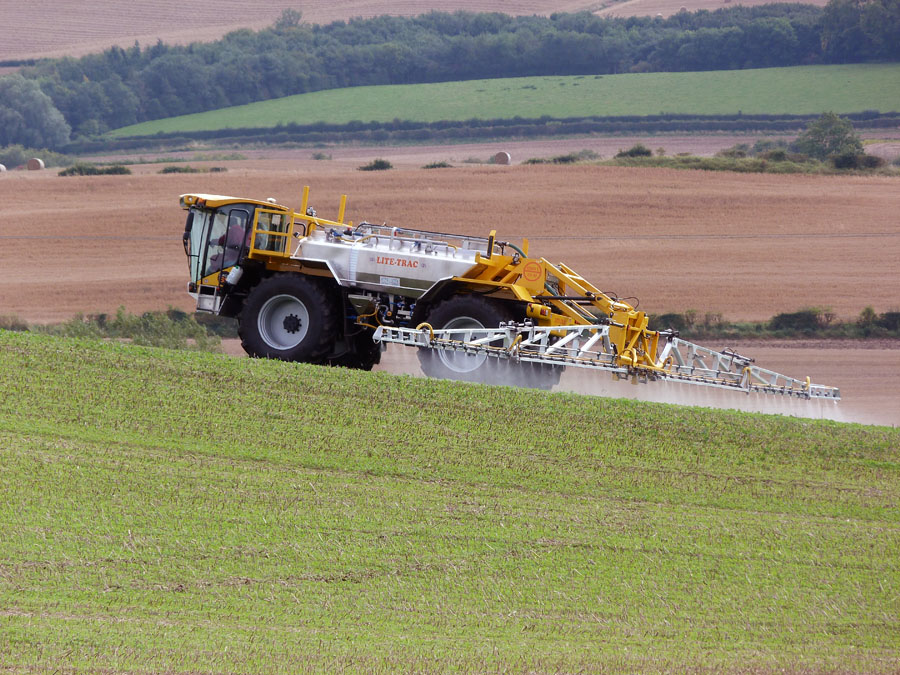
A self-propelled crop sprayer spraying pesticide on a field
A crop-duster spraying pesticide on a field

Pesticides are substances that are used to control pests.[1] They include herbicides, insecticides, nematicides, fungicides, and many others (see table).[2] The most common of these are herbicides, which account for approximately 50% of all pesticide use globally.[3] Most pesticides are used as plant protection products (also known as crop protection products), which in general protect plants from weeds, fungi, or insects.

In general, a pesticide is a chemical or biological agent (such as a virus, bacterium, or fungus) that deters, incapacitates, kills, or otherwise discourages pests. Target pests can include insects, plant pathogens, weeds, molluscs, birds, mammals, fish, nematodes (roundworms), and microbes that destroy property, cause nuisance, spread disease, or are disease vectors. Pesticides thus increase agricultural yields. Along with these benefits, pesticides also have drawbacks, such as potential toxicity to humans and other species.

Definition

[edit]
Type of pesticide Target pest group
Algicides or algaecides Algae
Avicides Birds
Bactericides Bacteria
Fungicides Fungi and oomycetes
Herbicides Plant
Insecticides Insects
Lampricides Lampreys[4]
Miticides or acaricides Mites
Molluscicides Snails
Nematicides Nematodes
Rodenticides Rodents
Slimicides Algae, Bacteria, Fungi, and Slime molds
Virucides Viruses

The word pesticide derives from the Latin pestis (plague) and caedere (kill).[5]

The Food and Agriculture Organization (FAO) has defined pesticide as:

any substance or mixture of substances intended for preventing, destroying, or controlling any pest, including vectors of human or animal disease, unwanted species of plants or animals, causing harm during or otherwise interfering with the production, processing, storage, transport, or marketing of food, agricultural commodities, wood and wood products or animal feedstuffs, or substances that may be administered to animals for the control of insects, arachnids, or other pests in or on their bodies. The term includes substances intended for use as a plant growth regulator, defoliant, desiccant, or agent for thinning fruit or preventing the premature fall of fruit. Also used as substances applied to crops either before or after harvest to protect the commodity from deterioration during storage and transport.[6]

Classifications

[edit]

Pesticides can be classified by target organism (e.g., herbicides, insecticides, fungicides, rodenticides, and pediculicides – see table),[7]

Biopesticides according to the EPA include microbial pesticides, biochemical pesticides, and plant-incorporated protectants.[8]

Pesticides can be classified into structural classes, with many structural classes developed for each of the target organisms listed in the table. A structural class is usually associated with a single mode of action, whereas a mode of action may encompass more than one structural class.

The pesticidal chemical (active ingredient) is mixed (formulated) with other components to form the product that is sold, and which is applied in various ways. Pesticides in gas form are fumigants.

Pesticides can be classified based upon their mode of action, which indicates the exact biological mechanism which the pesticide disrupts. The modes of action are important for resistance management, and are categorized and administered by the insecticide, herbicide, and fungicide resistance action committees.

Pesticides may be systemic or non-systemic.[9][10] A systemic pesticide moves (translocates) inside the plant. Translocation may be upward in the xylem, or downward in the phloem or both. Non-systemic pesticides (contact pesticides) remain on the surface and act through direct contact with the target organism. Pesticides are more effective if they are systemic. Systemicity is a prerequisite for the pesticide to be used as a seed-treatment.

Pesticides can be classified as persistent (non-biodegradable) or non-persistent (biodegradable). A pesticide must be persistent enough to kill or control its target but must degrade fast enough not to accumulate in the environment or the food chain in order to be approved by the authorities.[11][12] Persistent pesticides, including DDT, were banned many years ago, an exception being spraying in houses to combat malaria vectors.[13]

History

[edit]

From ancient times until the 1950s the pesticides used were inorganic compounds and plant extracts.[14][15] The inorganic compounds were derivatives of copper, arsenic, mercury, sulfur, among others, and the plant extracts contained pyrethrum, nicotine, and rotenone among others. The less toxic of these are still in use in organic farming. In the 1940s the insecticide DDT, and the herbicide 2,4-D, were introduced. These synthetic organic compounds were widely used and were very profitable. They were followed in the 1950s and 1960s by numerous other synthetic pesticides, which led to the growth of the pesticide industry.[14][15] During this period, it became increasingly evident that DDT, which had been sprayed widely in the environment to combat the vector, had accumulated in the food chain. It had become a global pollutant, as summarized in the well-known book Silent Spring. Finally, DDT was banned in the 1970s in several countries, and subsequently all persistent pesticides were banned worldwide, an exception being spraying on interior walls for vector control.[13]

Resistance to a pesticide was first seen in the 1920s with inorganic pesticides,[14] and later it was found that development of resistance is to be expected, and measures to delay it are important. Integrated pest management (IPM) was introduced in the 1950s. By careful analysis and spraying only when an economical or biological threshold of crop damage is reached, pesticide application is reduced. This became in the 2020s the official policy of international organisations, industry, and many governments.[15] With the introduction of high yielding varieties in the 1960s in the green revolution, more pesticides were used.[15] Since the 1980s genetically modified crops were introduced, which resulted in lower amounts of insecticides used on them.[15] Organic agriculture, which uses only non-synthetic pesticides, has grown and in 2020 represents about 1.5 per cent of the world's total agricultural land.[15]

Pesticides have become more effective. Application rates fell from 1,000 to 2,500 grams of active ingredient per hectare (g/ha) in the 1950s to 40–100 g/ha in the 2000s.[15] Despite this, amounts used have increased. In high income countries over 20 years between the 1990s and 2010s amounts used increased 20%, while in the low income countries amounts increased 1623%.[15]

Development of new pesticides

[edit]

The aim is to find new compounds or agents with improved properties such as a new mode of action or lower application rate. Another aim is to replace older pesticides which have been banned for reasons of toxicity or environmental harm or have become less effective due to development of resistance.[16][17][18][19]

The process starts with testing (screening) against target organisms such as insects, fungi or plants. Inputs are typically random compounds, natural products,[20] compounds designed to disrupt a biochemical target, compounds described in patents or literature, or biocontrol organisms.

Compounds that are active in the screening process, known as hits or leads, cannot be used as pesticides, except for biocontrol organisms and some potent natural products. These lead compounds need to be optimised by a series of cycles of synthesis and testing of analogs. For approval by regulatory authorities for use as pesticides, the optimized compounds must meet several requirements.[11][12] In addition to being potent (low application rate), they must show low toxicity to non-target organisms, low environmental impact, and viable manufacturing cost. The cost of developing a pesticide in 2024 was estimated to be 301 million US dollars.[21] It has become more difficult to find new pesticides. More than 100 new active ingredients were introduced in the 2000s and less than 40 in the 2010s.[15] Biopesticides are cheaper to develop, since the authorities require less toxicological and environmental study. Since 2000 the rate of new biological product introduction has frequently exceeded that of conventional products.[15]

More than 25% of existing chemical pesticides contain one or more chiral centres (stereogenic centres).[22] Newer pesticides with lower application rates tend to have more complex structures, and thus more often contain chiral centres.[22] In cases when most or all of the pesticidal activity in a new compound is found in one enantiomer (the eutomer), the registration and use of the compound as this single enantiomer is preferred. This reduces the total application rate and avoids the tedious environmental testing required when registering a racemate.[23][24] However, if a viable enantioselective manufacturing route cannot be found, then the racemate is registered and used.

Uses

[edit]
Pesticide use worldwide, by country in 2021

In addition to their main use in agriculture, pesticides have a number of other applications. Pesticides are used to control organisms that are considered to be harmful, or pernicious to their surroundings.[25] For example, they are used to kill mosquitoes that can transmit potentially deadly diseases like West Nile virus, yellow fever, and malaria. They can also kill bees, wasps or ants that can cause allergic reactions. Insecticides can protect animals from illnesses that can be caused by parasites such as fleas.[25] Pesticides can prevent sickness in humans that could be caused by moldy food or diseased produce. Herbicides can be used to clear roadside weeds, trees, and brush. They can also kill invasive weeds that may cause environmental damage. Herbicides are commonly applied in ponds and lakes to control algae and plants such as water grasses that can interfere with activities like swimming and fishing and cause the water to look or smell unpleasant.[26] Uncontrolled pests such as termites and mold can damage structures such as houses.[25] Pesticides are used in grocery stores and food storage facilities to manage rodents and insects that infest food such as grain. Pesticides are used on lawns and golf courses, partly for cosmetic reasons.[27]

Integrated pest management, the use of multiple approaches to control pests, is becoming widespread and has been used with success in countries such as Indonesia, China, Bangladesh, the U.S., Australia, and Mexico.[28] IPM attempts to recognize the more widespread impacts of an action on an ecosystem, so that natural balances are not upset.[29]

Each use of a pesticide carries some associated risk. Proper pesticide use decreases these associated risks to a level deemed acceptable by pesticide regulatory agencies such as the United States Environmental Protection Agency (EPA) and the Pest Management Regulatory Agency (PMRA) of Canada.

DDT, sprayed on the walls of houses, is an organochlorine that has been used to fight malaria vectors (mosquitos) since the 1940s. The World Health Organization recommend this approach.[30] It and other organochlorine pesticides have been banned in most countries worldwide because of their persistence in the environment and human toxicity. DDT has become less effective, as resistance was identified in Africa as early as 1955, and by 1972 nineteen species of mosquito worldwide were resistant to DDT.[31][32]

Amount used

[edit]
Pesticide use by region

Total pesticides use in agriculture in 2021 was 3.54 million tonnes of active ingredients (Mt), a 4 percent increase with respect to 2020, an 11 percent increase in a decade, and a doubling since 1990. Pesticides use per area of cropland in 2021 was 2.26 kg per hectare (kg/ha), an increase of 4 percent with respect to 2020; use per value of agricultural production was 0.86 kg per thousand international dollar (kg/1000 I$) (+2%); and use per person was 0.45 kg per capita (kg/cap) (+3%). Between 1990 and 2021, these indicators increased by 85 percent, 3 percent, and 33 percent, respectively. Brazil was the world's largest user of pesticides in 2021, with 720 kt of pesticides applications for agricultural use, while the USA (457 kt) was the second-largest user.[33][34]

Applications per cropland area in 2021 varied widely, from 10.9 kg/hectare in Brazil to 0.8 kg/ha in the Russian Federation. The level in Brazil was about twice as high as in Argentina (5.6 kg/ha) and Indonesia (5.3 kg/ha).[33] Insecticide use in the US has declined by more than half since 1980 (0.6%/yr), mostly due to the near phase-out of organophosphates. In corn fields, the decline was even steeper, due to the switchover to transgenic Bt corn.[35]

Benefits

[edit]

Pesticides increase agricultural yields.[36] Median yield increases range between 12% and 27% when pesticides are used, depending on the crop.[37] Another study found that not using pesticides reduced crop yields by about 10%.[38] A study conducted in 1999, found that a ban on pesticides in the United States may result in a rise of food prices, loss of jobs, and an increase in world hunger.[39]

There are two levels of benefits for pesticide use, primary and secondary. Primary benefits are direct gains from the use of pesticides and secondary benefits are effects that are more long-term.[40]

Biological

[edit]

Controlling pests and plant disease vectors

Controlling human/livestock disease vectors and nuisance organisms

  • Human lives saved and disease reduced. Diseases controlled include malaria,[40] with millions of lives having been saved or enhanced with the use of DDT alone.[41]
  • Animal lives saved and disease reduced

Controlling organisms that harm other human activities and structures

  • Drivers view unobstructed
  • Tree/brush/leaf hazards prevented
  • Wooden structures protected[40]

Economics

[edit]

In 2018 world pesticide sales were estimated to be $65 billion, of which 88% was used for agriculture.[15] Generic accounted for 85% of sales in 2018.[42] In one study, it was estimated that for every dollar ($1) that is spent on pesticides for crops results in up to four dollars ($4) in crops which would otherwise be lost to insects, fungi and weeds.[43] In general, farmers benefit from having an increase in crop yield and from being able to grow a variety of crops throughout the year. Consumers of agricultural products also benefit from being able to afford the vast quantities of produce available year-round.[40]

Disadvantages

[edit]

On the cost side of pesticide use there can be costs to the environment and costs to human health.[44] Pesticides safety education and pesticide applicator regulation are designed to protect the public from pesticide misuse, but do not eliminate all misuse. Reducing the use of pesticides and choosing less toxic pesticides may reduce risks placed on society and the environment from pesticide use.[26]

Health effects

[edit]
A sign warning about potential pesticide exposure

Most health concerns related to pesticides stem from direct use, whether in occupational or non-occupational settings. In contrast, health risks from pesticide residues in fruits and vegetables are considered minimal.

Occupational use of pesticides may affect health negatively.[45][46] mimicking hormones causing reproductive problems, and also causing cancer.[47] A 2007 systematic review found that "most studies on non-Hodgkin lymphoma and leukemia showed positive associations with pesticide exposure" and thus concluded that cosmetic use of pesticides should be decreased.[48] There is substantial evidence of associations between organophosphate insecticide exposures and neurobehavioral alterations.[49][50][51][52] Limited evidence also exists for other negative outcomes from pesticide exposure including neurological, birth defects, and fetal death.[53]

2014 epidemiological review found associations between autism and exposure to certain pesticides, but noted that the available evidence was insufficient to conclude that the relationship was causal.[54]

Owing to inadequate regulation and safety precautions, 99% of pesticide-related deaths occur in developing countries that account for only 25% of pesticide usage.[55]

Exposure to pesticide residues from eating food

[edit]

According to the American Cancer Society there is no evidence that pesticide residues in food increase the risk of people getting cancer.[56] A 2009 study estimated that lifetime exposure to pesticide residues from eating fruits and vegetables results in only 4.2 and 3.2 minutes of lost life per person in Switzerland and the United States, respectively.[57]

Non-occupational pesticide use

[edit]

Pesticides are also found in majority of U.S. households with 88 million out of the 121.1 million households indicating that they use some form of pesticide in 2012.[58][59] As of 2007, there were more than 1,055 active ingredients registered as pesticides,[60] which yield over 20,000 pesticide products that are marketed in the United States.[61]

The American Academy of Pediatrics recommends limiting exposure of children to pesticides and using safer alternatives:[62]

One study found pesticide self-poisoning the method of choice in one third of suicides worldwide, and recommended, among other things, more restrictions on the types of pesticides that are most harmful to humans.[63]

Pesticide use among agricultural workers

[edit]

The World Health Organization and the UN Environment Programme estimate that 3 million agricultural workers in the developing world experience severe poisoning from pesticides each year, resulting in 18,000 deaths.[28] According to one study, as many as 25 million workers in developing countries may suffer mild pesticide poisoning yearly.[64] Other occupational exposures besides agricultural workers, including pet groomers, groundskeepers, and fumigators, may also put individuals at risk of health effects from pesticides.[61]

Pesticide use is widespread in Latin America, as around US$3 billion are spent each year in the region. Records indicate an increase in the frequency of pesticide poisonings over the past two decades. The most common incidents of pesticide poisoning is thought to result from exposure to organophosphate and carbamate insecticides.[65] At-home pesticide use, use of unregulated products, and the role of undocumented workers within the agricultural industry makes characterizing true pesticide exposure a challenge. It is estimated that 50–80% of pesticide poisoning cases are unreported.

Underreporting of pesticide poisoning is especially common in areas where agricultural workers are less likely to seek care from a healthcare facility that may be monitoring or tracking the incidence of acute poisoning. The extent of unintentional pesticide poisoning may be much greater than available data suggest, particularly among developing countries. Globally, agriculture and food production remain one of the largest industries. In East Africa, the agricultural industry represents one of the largest sectors of the economy, with nearly 80% of its population relying on agriculture for income.[66] Farmers in these communities rely on pesticide products to maintain high crop yields.

Some East Africa governments are shifting to corporate farming, and opportunities for foreign conglomerates to operate commercial farms have led to more accessible research on pesticide use and exposure among workers. In other areas where large proportions of the population rely on subsistence, small-scale farming, estimating pesticide use and exposure is more difficult.

Pesticide poisoning

[edit]
The cholinergic synapse and the breakdown of acetylcholine into choline and acetate by acetylcholinesterase

Pesticides may exhibit toxic effects on humans and other non-target species, the severity of which depends on the frequency and magnitude of exposure. Toxicity also depends on the rate of absorption, distribution within the body, metabolism, and elimination of compounds from the body. Commonly used pesticides like organophosphates and carbamates act by inhibiting acetylcholinesterase activity, which prevents the breakdown of acetylcholine at the neural synapse. Excess acetylcholine can lead to symptoms like muscle cramps or tremors, confusion, dizziness and nausea. Studies show that farm workers in Ethiopia, Kenya, and Zimbabwe have decreased concentrations of plasma acetylcholinesterase, the enzyme responsible for breaking down acetylcholine acting on synapses throughout the nervous system.[67][68][69] Other studies in Ethiopia have observed reduced respiratory function among farm workers who spray crops with pesticides.[70] Numerous exposure pathways for farm workers increase the risk of pesticide poisoning, including dermal absorption walking through fields and applying products, as well as inhalation exposure.

Measuring exposure to pesticides

[edit]

There are multiple approaches to measuring a person's exposure to pesticides, each of which provides an estimate of an individual's internal dose. Two broad approaches include measuring biomarkers and markers of biological effect.[71] The former involves taking direct measurement of the parent compound or its metabolites in various types of media: urine, blood, serum. Biomarkers may include a direct measurement of the compound in the body before it's been biotransformed during metabolism. Other suitable biomarkers may include the metabolites of the parent compound after they've been biotransformed during metabolism.[71] Toxicokinetic data can provide more detailed information on how quickly the compound is metabolized and eliminated from the body, and provide insights into the timing of exposure.

Markers of biological effect provide an estimation of exposure based on cellular activities related to the mechanism of action. For example, many studies investigating exposure to pesticides often involve the quantification of the acetylcholinesterase enzyme at the neural synapse to determine the magnitude of the inhibitory effect of organophosphate and carbamate pesticides.[67][68][69][71]

Another method of quantifying exposure involves measuring, at the molecular level, the amount of pesticide interacting with the site of action. These methods are more commonly used for occupational exposures where the mechanism of action is better understood, as described by WHO guidelines published in "Biological Monitoring of Chemical Exposure in the Workplace".[72] Better understanding of how pesticides elicit their toxic effects is needed before this method of exposure assessment can be applied to occupational exposure of agricultural workers.

Alternative methods to assess exposure include questionnaires to discern from participants whether they are experiencing symptoms associated with pesticide poisoning. Self-reported symptoms may include headaches, dizziness, nausea, joint pain, or respiratory symptoms.[68]

Challenges in assessing pesticide exposure
[edit]

Multiple challenges exist in assessing exposure to pesticides in the general population, and many others that are specific to occupational exposures of agricultural workers. Beyond farm workers, estimating exposure to family members and children presents additional challenges, and may occur through "take-home" exposure from pesticide residues collected on clothing or equipment belonging to parent farm workers and inadvertently brought into the home. Children may also be exposed to pesticides prenatally from mothers who are exposed to pesticides during pregnancy.[49] Characterizing children's exposure resulting from drift of airborne and spray application of pesticides is similarly challenging, yet well documented in developing countries.[73] Because of critical development periods of the fetus and newborn children, these non-working populations are more vulnerable to the effects of pesticides, and may be at increased risk of developing neurocognitive effects and impaired development.[49][55]

While measuring biomarkers or markers of biological effects may provide more accurate estimates of exposure, collecting these data in the field is often impractical and many methods are not sensitive enough to detect low-level concentrations. Rapid cholinesterase test kits exist to collect blood samples in the field. Conducting large scale assessments of agricultural workers in remote regions of developing countries makes the implementation of these kits a challenge.[71] The cholinesterase assay is a useful clinical tool to assess individual exposure and acute toxicity. Considerable variability in baseline enzyme activity among individuals makes it difficult to compare field measurements of cholinesterase activity to a reference dose to determine health risk associated with exposure.[71] Another challenge in deriving a reference dose is identifying health endpoints that are relevant to exposure. More epidemiological research is needed to identify critical health endpoints, particularly among populations who are occupationally exposed.

Prevention

[edit]

Minimizing harmful exposure to pesticides can be achieved by proper use of personal protective equipment, adequate reentry times into recently sprayed areas, and effective product labeling for hazardous substances as per FIFRA regulations. Training high-risk populations, including agricultural workers, on the proper use and storage of pesticides, can reduce the incidence of acute pesticide poisoning and potential chronic health effects associated with exposure. Continued research into the human toxic health effects of pesticides serves as a basis for relevant policies and enforceable standards that are health protective to all populations.

Environmental effects

[edit]

Pesticide use raises a number of environmental concerns. Over 98% of sprayed insecticides and 95% of herbicides reach a destination other than their target species, including non-target species, air, water and soil.[28] Pesticide drift occurs when pesticides suspended in the air as particles are carried by wind to other areas, potentially contaminating them. Pesticides are one of the causes of water pollution, and some pesticides were persistent organic pollutants (now banned), which contribute to soil and flower (pollen, nectar) contamination.[74] Furthermore, pesticide use can adversely impact neighboring agricultural activity, as pests themselves drift to and harm nearby crops that have no pesticide used on them.[75]

In addition, pesticide use reduces invertebrate biodiversity in streams,[76] contributes to pollinator decline,[77][78][79] destroys habitat (especially for birds),[80] and threatens endangered species.[28] Pests can develop a resistance to the pesticide (pesticide resistance), necessitating a new pesticide. Alternatively a greater dose of the pesticide can be used to counteract the resistance, although this will cause a worsening of the ambient pollution problem.

The Stockholm Convention on Persistent Organic Pollutants banned all persistent pesticides,[81][82] in particular DDT and other organochlorine pesticides, which were stable and lipophilic, and thus able to bioaccumulate[83] in the body and the food chain. and which spread throughout the planet.[84][85] Persistent pesticides are no longer used for agriculture, and will not be approved by the authorities.[11][12] Because the half life in soil is long (for DDT 2–15 years[86]) residues can still be detected in humans at levels 5 to 10 times lower than found in the 1970s.[87]

Pesticides now have to be degradable in the environment. Such degradation of pesticides is due to both innate chemical properties of the compounds and environmental processes or conditions.[88] For example, the presence of halogens within a chemical structure often slows down degradation in an aerobic environment.[89] Adsorption to soil may retard pesticide movement, but also may reduce bioavailability to microbial degraders.[90]

Pesticide contamination in the environment can be monitored through bioindicators such as bee pollinators.[74]

Economics

[edit]
Harm Annual US cost
Public health $1.1 billion
Pesticide resistance in pest $1.5 billion
Crop losses caused by pesticides $1.4 billion
Bird losses due to pesticides $2.2 billion
Groundwater contamination $2.0 billion
Other costs $1.4 billion
Total costs $9.6 billion

In one study, the human health and environmental costs due to pesticides in the United States was estimated to be $9.6 billion: offset by about $40 billion in increased agricultural production.[91]

Additional costs include the registration process and the cost of purchasing pesticides: which are typically borne by agrichemical companies and farmers respectively. The registration process can take several years to complete (there are 70 types of field tests) and can cost $50–70 million for a single pesticide.[91] At the beginning of the 21st century, the United States spent approximately $10 billion on pesticides annually.[91]

Resistance

[edit]

The use of pesticides inherently entails the risk of resistance developing. Various techniques and procedures of pesticide application can slow the development of resistance, as can some natural features of the target population and surrounding environment.[4]

Alternatives

[edit]

Alternatives to pesticides are available and include methods of cultivation, use of biological pest controls (such as pheromones and microbial pesticides), genetic engineering (mostly of crops), and methods of interfering with insect breeding.[28] Application of composted yard waste has also been used as a way of controlling pests.[92]

These methods are becoming increasingly popular and often are safer than traditional chemical pesticides. In addition, EPA is registering reduced-risk pesticides in increasing numbers.[citation needed]

Cultivation practices

[edit]

Cultivation practices include polyculture (growing multiple types of plants), crop rotation, planting crops in areas where the pests that damage them do not live, timing planting according to when pests will be least problematic, and use of trap crops that attract pests away from the real crop.[28] Trap crops have successfully controlled pests in some commercial agricultural systems while reducing pesticide usage.[93] In other systems, trap crops can fail to reduce pest densities at a commercial scale, even when the trap crop works in controlled experiments.[94]

Use of other organisms

[edit]

Release of other organisms that fight the pest is another example of an alternative to pesticide use. These organisms can include natural predators or parasites of the pests.[28] Biological pesticides based on entomopathogenic fungi, bacteria and viruses causing disease in the pest species can also be used.[28]

Biological control engineering

[edit]

Interfering with insects' reproduction can be accomplished by sterilizing males of the target species and releasing them, so that they mate with females but do not produce offspring.[28] This technique was first used on the screwworm fly in 1958 and has since been used with the medfly, the tsetse fly,[95] and the gypsy moth.[96] This is a costly and slow approach that only works on some types of insects.[28]

Other alternatives

[edit]

Other alternatives include "laserweeding" – the use of novel agricultural robots for weed control using lasers.[97]

Push pull strategy

[edit]

Push-pull technique: intercropping with a "push" crop that repels the pest, and planting a "pull" crop on the boundary that attracts and traps it.[98]

Effectiveness

[edit]

Some evidence shows that alternatives to pesticides can be equally effective as the use of chemicals. A study of Maize fields in northern Florida found that the application of composted yard waste with high carbon to nitrogen ratio to agricultural fields was highly effective at reducing the population of plant-parasitic nematodes and increasing crop yield, with yield increases ranging from 10% to 212%; the observed effects were long-term, often not appearing until the third season of the study.[92] Additional silicon nutrition protects some horticultural crops against fungal diseases almost completely, while insufficient silicon sometimes leads to severe infection even when fungicides are used.[99]

Pesticide resistance is increasing and that may make alternatives more attractive.

Types

[edit]

Biopesticides

[edit]

Biopesticides are certain types of pesticides derived from such natural materials as animals, plants, bacteria, and certain minerals. For example, canola oil and baking soda have pesticidal applications and are considered biopesticides. Biopesticides fall into three major classes:

  • Microbial pesticides which consist of bacteria, entomopathogenic fungi or viruses (and sometimes includes the metabolites that bacteria or fungi produce). Entomopathogenic nematodes are also often classed as microbial pesticides, even though they are multi-cellular.[100][101]
  • Biochemical pesticides or herbal pesticides[102] are naturally occurring substances that control (or monitor in the case of pheromones) pests and microbial diseases.
  • Plant-incorporated protectants (PIPs) have genetic material from other species incorporated into their genetic material (i.e. GM crops). Their use is controversial, especially in many European countries.[103]

By pest type

[edit]

Pesticides that are related to the type of pests are:[104]

Type Action
Algicides Control algae in lakes, canals, swimming pools, water tanks, and other sites
Avicides kill birds
Antifouling agents Kill or repel organisms that attach to underwater surfaces, such as boat bottoms
Antimicrobials Kill microorganisms (such as bacteria and viruses)
Attractants Attract pests (for example, to lure an insect or rodent to a trap).
Bactericides Kill bacteria
Biopesticides Certain types of pesticides derived from such natural materials as animals, plants, bacteria, and certain minerals
Biocides Kill microorganisms
Defoliants Cause leaves or foliage to drop from a plant, usually to facilitate harvest.
Desiccants Promote drying of living tissues, such as unwanted plant tops.
Disinfectants and sanitizers Kill or inactivate disease-producing microorganisms on inanimate objects
Fungicides Kill fungi (including blights, mildews, molds, and rusts)
Fumigants Produce gas or vapor intended to destroy pests in buildings or soil
Gene drives A genetic mechanism embedded into the genetic material of the target species, which can kill or suppress the reproductive of its descendants.[105]
Herbicides Kill weeds and other plants that grow where they are not wanted
Insect growth regulators Disrupt the molting, maturing from pupal stage to adult, or other life processes of insects.
Insecticides Kill insects and other arthropods
Lampricides Kills Lampreys
Miticides or acaricides Kill mites that feed on plants and animals
Microbial pesticides Microorganisms that kill, inhibit, or out compete pests, including insects or other microorganisms
Molluscicides Kill snails and slugs
Nematicides Kill nematodes (microscopic, worm-like organisms that feed on plant roots)
Ovicides Kill eggs of insects and mites
Pheromones Biochemicals used to disrupt the mating behavior of insects
Piscicide Kills fish
Plant growth regulators Alter the expected growth, flowering or reproduction rate of plants (does not include fertilizers).
Plant Incorporated protectants Substances that plants produce from genetic material that has been added to the plant.
Repellents Repel pests, including insects (such as mosquitoes) and birds
Rodenticides Control mice and other rodents
Slimicides Kill slime-producing microorganisms such as algae, bacteria, fungi, and slime molds
Soil sterilant Temporarily or permanently prevents the growth of all plants and animals[106]
Virucides Kills viruses.
Wood preservatives Used to make wood resistant to insects, fungi, and other pests.

Regulation

[edit]

International

[edit]

In many countries, pesticides must be approved for sale and use by a government agency.[107][108]

Worldwide, 85% of countries have pesticide legislation for the proper storage of pesticides and 51% include provisions to ensure proper disposal of all obsolete pesticides.[109]

Though pesticide regulations differ from country to country, pesticides, and products on which they were used are traded across international borders. To deal with inconsistencies in regulations among countries, delegates to a conference of the United Nations Food and Agriculture Organization adopted an International Code of Conduct on the Distribution and Use of Pesticides in 1985 to create voluntary standards of pesticide regulation for many countries.[107] The Code was updated in 1998 and 2002.[110] The FAO claims that the code has raised awareness about pesticide hazards and decreased the number of countries without restrictions on pesticide use.[6]

Three other efforts to improve regulation of international pesticide trade are the United Nations London Guidelines for the Exchange of Information on Chemicals in International Trade and the United Nations Codex Alimentarius Commission. The former seeks to implement procedures for ensuring that prior informed consent exists between countries buying and selling pesticides, while the latter seeks to create uniform standards for maximum levels of pesticide residues among participating countries.[111]

United States

[edit]
Preparation for an application of hazardous herbicide in the US

In the United States, the Environmental Protection Agency (EPA) is responsible for regulating pesticides under the Federal Insecticide, Fungicide, and Rodenticide Act (FIFRA) and the Food Quality Protection Act (FQPA).[112]

Studies must be conducted to establish the conditions in which the material is safe to use and the effectiveness against the intended pest(s).[113] The EPA regulates pesticides to ensure that these products do not pose adverse effects to humans or the environment, with an emphasis on the health and safety of children.[114] Pesticides produced before November 1984 continue to be reassessed in order to meet the current scientific and regulatory standards. All registered pesticides are reviewed every 15 years to ensure they meet the proper standards.[112] During the registration process, a label is created. The label contains directions for proper use of the material in addition to safety restrictions. Based on acute toxicity, pesticides are assigned to a Toxicity Class. Pesticides are the most thoroughly tested chemicals after drugs in the United States; those used on food require more than 100 tests to determine a range of potential impacts.[114]

Some pesticides are considered too hazardous for sale to the general public and are designated restricted use pesticides. Only certified applicators, who have passed an exam, may purchase or supervise the application of restricted use pesticides.[107] Records of sales and use are required to be maintained and may be audited by government agencies charged with the enforcement of pesticide regulations.[115][116] These records must be made available to employees and state or territorial environmental regulatory agencies.[117][118]

In addition to the EPA, the United States Department of Agriculture (USDA) and the United States Food and Drug Administration (FDA) set standards for the level of pesticide residue that is allowed on or in crops.[119] The EPA looks at what the potential human health and environmental effects might be associated with the use of the pesticide.[120]

In addition, the U.S. EPA uses the National Research Council's four-step process for human health risk assessment: (1) Hazard Identification, (2) Dose-Response Assessment, (3) Exposure Assessment, and (4) Risk Characterization.[121]

In 2013 Kaua'i County (Hawaiʻi) passed Bill No. 2491 to add an article to Chapter 22 of the county's code relating to pesticides and GMOs. The bill strengthens protections of local communities in Kaua'i where many large pesticide companies test their products.[122]

The first legislation providing federal authority for regulating pesticides was enacted in 1910.[60]

Canada

[edit]

EU

[edit]

EU legislation has been approved banning the use of highly toxic pesticides including those that are carcinogenic, mutagenic or toxic to reproduction, those that are endocrine-disrupting, and those that are persistent, bioaccumulative and toxic (PBT) or very persistent and very bioaccumulative (vPvB) and measures have been approved to improve the general safety of pesticides across all EU member states.[123]

In 2023 The Environment Committee of European Parliament approved a decision aiming to reduce pesticide use by 50% (the most hazardous by 65%) by the year 2030 and ensure sustainable use of pesticides (for example use them only as a last resort). The decision also includes measures for providing farmers with alternatives.[124]

Residue

[edit]

Pesticide residue refers to the pesticides that may remain on or in food after they are applied to food crops.[125] The maximum residue limits (MRL) of pesticides in food are carefully set by the regulatory authorities to ensure, to their best judgement, no health impacts. Regulations such as pre-harvest intervals also often prevent harvest of crop or livestock products if recently treated in order to allow residue concentrations to decrease over time to safe levels before harvest. Exposure of the general population to these residues most commonly occurs through consumption of treated food sources, or being in close contact to areas treated with pesticides such as farms or lawns.[126]

Persistent pesticides are no longer used for agriculture, and will not be approved by the authorities.[127][128] Because the half life in soil is long (for DDT 2–15 years[86]) residues can still be detected in humans at levels 5 to 10 times lower than found in the 1970s.[87]

Residues are monitored by the authorities. In 2016, over 99% of samples of US produce had no pesticide residue or had residue levels well below the EPA tolerance levels for each pesticide.[129]

See also

[edit]

References

[edit]

Sources

[edit]

 This article incorporates text from a free content work. Licensed under CC BY-SA IGO 3.0 (license statement/permission). Text taken from World Food and Agriculture – Statistical Yearbook 2023​, FAO, FAO.

[edit]
Revisions and contributorsEdit on WikipediaRead on Wikipedia
from Grokipedia
Pesticides are any substance or mixture of substances intended for preventing, destroying, repelling, or mitigating any pest, encompassing a broad array of chemical, biological, or other agents targeting , weeds, fungi, , , viruses, or other organisms that interfere with agricultural production, human health, or property. They include categories such as insecticides, herbicides, fungicides, rodenticides, and antimicrobials, with applications spanning protection, initiatives like for disease prevention, and urban pest management. While natural pesticides derived from plants like have been used since ancient times—such as Sumerian compounds around 4500 years ago—modern synthetic pesticides proliferated in the , particularly after with compounds like , enabling the Green Revolution's dramatic yield increases. Global agricultural pesticide use reached 3.73 million tonnes of active ingredients in 2023, concentrated in major producers like , the , and , where they contribute to lower production costs, higher crop quality, and reduced pre-harvest losses, supporting for billions amid . Empirical assessments indicate pesticides have averted substantial yield reductions—potentially 30-40% in staple crops without intervention—translating to economic benefits outweighing costs in systems. However, their deployment has engendered defining controversies, including pest resistance, in ecosystems, to non-target like pollinators and soil organisms, and documented links to such as and decline. These risks, substantiated in peer-reviewed studies, underscore the imperative for evidence-based , precise application technologies, and alternatives like to balance productivity gains against causal ecological and health impacts.

Definition and Fundamentals

Definition

A pesticide is any substance or mixture of substances intended for preventing, destroying, repelling, or mitigating any pest, which includes , weeds, fungi, , , viruses, or other organisms considered injurious to crops, animals, humans, structures, or the environment. This definition aligns with regulatory frameworks such as the U.S. Federal , , and Act (FIFRA), which broadly encompasses chemical compounds, biological agents like microorganisms or pheromones, and certain natural materials designed to interfere with pest life cycles or populations. Under international standards, such as those from the (FAO), pesticides also extend to mixtures with chemical or biological ingredients aimed at regulating plant growth or controlling vectors of , excluding purely medicinal or household disinfectants unless they target pests. Regulatory definitions distinguish pesticides from non-pesticidal devices (e.g., traps without active substances) by intent and effect, requiring registration for safety and efficacy evaluation prior to commercial use. The scope excludes fertilizers or purely nutritional supplements, focusing instead on targeted lethality or disruption.

Classifications and Types

Pesticides are primarily classified by the target organism they control, encompassing categories such as for , for unwanted , fungicides for fungi, and for . Additional subtypes include acaricides targeting mites and ticks, nematicides for nematodes, bactericides for bacteria, and algicides for algae. This target-based system reflects the specific biological mechanisms exploited to disrupt pest physiology, such as interfering with insect nervous systems or . Chemical structure provides another key classification, grouping pesticides into families like organochlorines (e.g., , historically persistent in the environment), organophosphates (e.g., , which inhibit ), carbamates (similar to organophosphates but often less persistent), pyrethroids (synthetic analogs of natural pyrethrins for rapid knockdown), and neonicotinoids (systemic compounds binding to nicotinic receptors). These groups vary in , bioaccumulation potential, and resistance development risks, with organochlorines largely phased out due to environmental buildup observed in studies from the mid-20th century. Mode of action further delineates types, distinguishing contact pesticides that kill upon direct touch, systemic ones absorbed and translocated within the target organism, poisons ingested with food, and fumigants that act as gases in enclosed spaces. For insecticides, the Insecticide Resistance Action Committee () standardizes 30+ modes, including modulators and mitochondrial disruptors, aiding in rotation strategies to mitigate resistance. Herbicides similarly target processes like inhibition or disruption. Toxicity classifications assess human and environmental hazards, with the (WHO) categorizing active ingredients into five classes based on acute oral or dermal LD50 values: Ia (extremely hazardous, LD50 ≤5 mg/kg), Ib (highly hazardous, 5-50 mg/kg), II (moderately hazardous, 50-500 mg/kg), III (slightly hazardous, 500-5000 mg/kg), and U (unlikely to present acute hazard >5000 mg/kg). The U.S. Environmental Protection Agency (EPA) uses four categories for labeling: I (danger, highest ), II (warning), III (caution), and IV (lowest), determined by the most toxic endpoint across oral, dermal, , and eye/ tests. These systems prioritize empirical LD50 data over anecdotal reports, though chronic effects like carcinogenicity require separate regulatory evaluation.

Historical Development

Pre-Modern and Early Chemical Uses

The earliest recorded use of pesticides dates to ancient , where Sumerians around 2500 BCE applied elemental to crops such as date palms to deter . This practice relied on sulfur's fumigant properties, often achieved by burning or dusting, and persisted through ancient and Roman , where sulfur compounds targeted pests on vines and grains. Similarly, ancient Chinese records from circa 1200 BCE describe botanical extracts, mercury, and applications for and control, with formalized arsenic-water mixtures used by 800 CE to soil-dwelling pests. Romans extended these methods by employing salt as a and burned sulfur for , marking early inorganic interventions grounded in observed rather than refined chemistry. Medieval and early modern periods saw expanded use of naturally derived toxics, including sulfides in for pests and from plants, which European farmers began extracting and applying as washes in the late following tobacco's introduction from the . , isolated from tropical plant roots like Derris, served indigenous communities in and for fish poisons and later insect control, with commercial refinement occurring in the late . These botanical agents offered contact toxicity but suffered from variable efficacy due to and lack of standardization. The 19th century heralded early chemical pesticides through inorganic formulations, driven by agricultural crises like the invasion in the United States. , a copper acetoarsenite pigment repurposed as an , was first deployed in 1867, dusted onto potato foliage to achieve high mortality rates against the beetle while posing risks to beneficial insects and handlers. In , the 1885 invention of —combining and lime—effectively combated in vineyards during the epidemic, establishing copper fungicides as staples despite eventual soil accumulation concerns. Lead arsenate followed in 1892 for fruit tree pests, applied as sprays that adhered better to leaves than earlier arsenicals, though its persistence led to residue buildup in harvested produce. These compounds represented a shift toward scalable, chemically stable agents, prioritizing acute efficacy over long-term ecological impacts.

Mid-20th Century Advancements

The insecticidal properties of dichlorodiphenyltrichloroethane () were discovered in 1939 by Swiss chemist while screening compounds for Geigy, a pharmaceutical firm. proved highly effective against a broad spectrum of , leading to its deployment during for controlling typhus-carrying lice and malaria-transmitting mosquitoes among Allied troops and civilians, which significantly reduced disease-related casualties. Post-war, transitioned to agricultural use, enabling large-scale that boosted crop yields; by 1945, it was registered for civilian applications . Müller's breakthrough earned him the 1948 in Physiology or Medicine for its life-saving impact. Parallel to DDT's rise, insecticides emerged from German research in and 1940s, initially pursued by chemist who synthesized compounds like tetraethyl pyrophosphate as potential pesticides but also recognized their toxicity akin to nerve agents such as tabun and . , one of the first commercial organophosphates, was developed in the mid-1940s and introduced for agricultural use by the late 1940s, targeting chewing and sucking insects with rapid knockdown effects via inhibition of in nervous systems. followed in the 1950s, offering lower mammalian toxicity while maintaining efficacy against pests like aphids and flies. These compounds replaced earlier arsenicals and provided systemic action, absorbed by to kill pests from within, marking a shift toward more targeted and potent chemistries. Organochlorine insecticides expanded the arsenal in the late , with benzene hexachloride (BHC), , , , and entering commercial production for soil and foliar applications against a range of pests. These persistent chemicals offered long-lasting residual control, reducing application frequency but later revealing environmental accumulation issues. Herbicide development accelerated with the synthesis of (2,4-D) in the early by British and American teams investigating growth regulators, revealing its selective toxicity to broadleaf weeds while sparing grasses like cereals. Commercialized in 1945, 2,4-D sales surged from 631,000 pounds in to 5,315,000 pounds in , transforming weed management in row s and enabling reduced . Similarly, (2,4,5-T) complemented 2,4-D for broader spectrum control, though its contamination later prompted scrutiny. These auxin-mimic herbicides initiated modern chemical , causal to substantial productivity gains in global during the post-war era. Aerial application methods, exemplified by cropdusters, advanced pesticide delivery efficiency in the and , allowing rapid treatment of vast farmlands and forests previously uneconomical to protect. These innovations collectively underpinned the Green Revolution's intensification, with synthetic pesticides causal to averting famines through enhanced food production.

Post-1945 Expansion and Regulatory Shifts

Following , the pesticide industry underwent rapid expansion driven by the widespread adoption of synthetic chemicals originally developed for military purposes, such as , which became available for agricultural use in 1945. This shift aligned with industrial agricultural practices that prioritized high crop yields, leading to a tenfold increase in U.S. pesticide expenditures from 1945 to 1972 and a surge in production from under 100 million pounds in 1945 to significantly higher volumes by the early 1970s. Globally, pesticide usage escalated from modest levels post-1945 to an estimated 3.5 million tonnes by 2020, reflecting intensified farming to support and . Initial regulatory frameworks emerged to address safety and efficacy amid this boom, with the U.S. enacting the Federal Insecticide, Fungicide, and Rodenticide Act (FIFRA) in 1947, which mandated pesticide registration and labeling to prevent misbranding and ensure basic performance standards. However, these early measures focused primarily on economic poisons' effectiveness rather than comprehensive environmental or health risks, allowing unchecked proliferation until accumulating evidence of and prompted scrutiny. Public and scientific awareness intensified in 1962 with Rachel Carson's , which documented ecological harms from pesticides like , catalyzing demands for stricter oversight despite criticisms that it overstated risks relative to benefits in . The establishment of the U.S. Environmental Protection Agency (EPA) in 1970 transferred federal pesticide authority, culminating in 1972 amendments to FIFRA that introduced risk-benefit analyses, mandatory safety data submissions, and the eventual cancellation of DDT registrations due to its adverse effects on wildlife and potential human health threats. These shifts marked a pivot toward precautionary regulation, influencing international standards, including the 2004 Stockholm Convention restricting persistent organic pollutants like DDT for agricultural use while permitting limited applications. Subsequent decades saw further refinements, such as the U.S. Food Quality Protection Act of 1996, which tightened residue tolerances and emphasized children's vulnerability, alongside directives harmonizing approvals and phasing out high-risk substances. Despite these controls, pesticide volumes continued rising globally, with U.S. agricultural use peaking around before stabilizing, underscoring ongoing tensions between productivity gains and ecological safeguards.

Mechanisms of Action

Chemical and Biological Modes

Chemical pesticides primarily consist of synthetic organic or inorganic compounds designed to disrupt specific molecular targets within pest organisms, leading to physiological dysfunction or death. These agents typically act through targeted interference with enzymes, receptors, or cellular processes, often classified by organizations such as the Resistance Action Committee () for and acaricides, the Herbicide Resistance Action Committee (HRAC) for , and the Fungicide Resistance Action Committee (FRAC) for fungicides. For , common chemical modes include (AChE) inhibition by organophosphates and carbamates, which prevents the breakdown of , causing overstimulation, , and death in . Other modes involve modulation of ion channels, such as GABA-gated blockade by cyclodienes or antagonism by pyrethroids, disrupting nerve impulse transmission. Herbicides operate via chemical disruption of plant-specific pathways, with many inhibiting ; for example, and imidazolinones target acetolactate synthase (), halting production essential for protein synthesis in weeds. inhibitors like bind to the QB site, blocking electron transport and generating that damage photosynthetic machinery. Fungicides chemically target fungal metabolism, such as demethylation inhibitors (e.g., triazoles) that block in cell membranes by inhibiting 14α-demethylase, compromising membrane integrity and function. Biological modes of action, characteristic of biopesticides, leverage naturally occurring organisms, their metabolites, or plant-produced substances to control pests, often with greater specificity and lower environmental persistence than synthetic chemicals. The U.S. Agency classifies biopesticides into microbial agents (e.g., , fungi, viruses), biochemicals (e.g., pheromones, hormones), and plant-incorporated protectants (PIPs). Microbial biopesticides like (Bt) produce δ-endotoxins (Cry proteins) that, upon ingestion by target insects, solubilize in the gut, bind to specific receptors on epithelial cells, form pores, and cause cell , septicemia, and . Entomopathogenic fungi such as penetrate insect cuticles via enzymatic degradation, proliferate internally, and produce toxins that disrupt host physiology. Biochemical biopesticides mimic or interfere with pest signaling; insect growth regulators like juvenile hormone analogs prevent by maintaining larval stages, while pheromones disrupt by causing sensory overload or false trails. Plant-incorporated protectants, such as Bt traits engineered into crops like corn via genetic modification, express toxins that activate only in susceptible pest guts, providing continuous internal protection without external application. These biological mechanisms often involve multiple or indirect effects, such as niche or induced defenses, reducing reliance on single-target vulnerabilities that foster resistance.

Target-Specific Effects

Insecticides primarily target the of arthropods, disrupting nerve impulse transmission through inhibition of (AChE), an that hydrolyzes the to terminate synaptic signals. Organophosphates and carbamates bind irreversibly or reversibly to AChE's , leading to acetylcholine accumulation, overstimulation, paralysis, and death; this mechanism exploits the higher AChE sensitivity and abundance in synapses compared to vertebrates. Other classes, such as pyrethroids, modulate voltage-gated sodium channels, prolonging their open state and causing repetitive neuronal firing specific to channel isoforms. Neonicotinoids bind nicotinic acetylcholine receptors (nAChRs), which are ligand-gated ion channels more prevalent and sensitive in , inducing hyperexcitation. Growth regulators like mimics (e.g., ) interfere with by disrupting signaling pathways unique to development. Herbicides exploit plant-specific metabolic pathways absent or divergent in animals, such as photosynthesis inhibition via binding to photosystem II (PSII) proteins like the D1 protein in thylakoid membranes, blocking electron transport and generating reactive oxygen species that damage chloroplasts. Triazines and ureas exemplify this, with selectivity arising from rapid detoxification in crops like maize via glutathione S-transferases. Amino acid synthesis inhibitors target enzymes like acetolactate synthase (ALS) in the branched-chain pathway or 5-enolpyruvylshikimate-3-phosphate synthase (EPSPS) in the shikimate pathway, essential for aromatic amino acids in plants but not animals; glyphosate, for instance, chelates EPSPS's manganese cofactor, halting protein synthesis. Auxin mimics (e.g., 2,4-D) overstimulate growth regulators, causing uncontrolled cell division and vascular disruption in broadleaf weeds, while crops like grasses tolerate them due to differential hormone perception. Fungicides target fungal-specific cellular processes, such as biosynthesis in cell membranes; demethylation inhibitors (DMIs) like block 14α-demethylase (CYP51), depleting and accumulating toxic sterols, a pathway absent in plants and animals. Strobilurins inhibit mitochondrial respiration at the Qo site of bc1 complex, halting ATP production in fungi with binding affinities higher than in mammalian homologs. synthesis disruptors, such as phenylamides, bind in , inhibiting protein translation selectively in these organisms. Multi-site fungicides like compounds denature proteins nonspecifically but rely on fungal uptake differences for selectivity. Rodenticides and other pesticides follow analogous principles: anticoagulants like inhibit in the coagulation cascade, a target conserved across mammals but dosed for lethal accumulation in via bait consumption. These mechanisms underscore pesticides' biochemical precision, where target specificity derives from molecular binding affinities, metabolic rates, and physiological dependencies unique to pest taxa.

Applications and Global Usage

Agricultural Applications

Pesticides serve as essential tools in modern to control weeds, , fungal pathogens, and other threats that can devastate yields and quality. Herbicides target unwanted competing with crops for resources, insecticides eliminate harmful populations, and fungicides prevent outbreaks in . Without such interventions, empirical estimates indicate potential annual crop losses exceeding 45% globally due to pest pressures. These applications are tailored to specific crops, such as herbicides dominating use in row crops like corn and soybeans, while insecticides are critical for high-value fruits and . Common application methods include ground-based foliar spraying via hydraulic boom sprayers for broad coverage, soil drenches or incorporation for root-targeted pests, and seed treatments to protect emerging seedlings. by crop dusters enables rapid treatment of large fields, particularly in remote or expansive operations, though it risks greater drift. Banding concentrates pesticides along rows to minimize volume while maintaining efficacy, and precision technologies like GPS-guided sprayers enhance targeting to reduce overuse. Selection of method depends on factors such as , , conditions, and pest biology, with hydraulic systems producing larger droplets for better canopy penetration compared to air-assisted low-volume sprays. Global pesticide consumption in agriculture totaled 3.70 million tonnes of active ingredients in 2022, up 4% from 2021 and reflecting a broader 13% rise over the prior decade amid intensifying food demands. Usage varies by region, with higher intensities in cropland-heavy areas like Europe and Asia, where per-hectare applications support intensive farming systems. Herbicides constitute the largest share, followed by fungicides and insecticides, driven by the need to sustain productivity in staple crops feeding billions. In the United States, hundreds of millions of pounds are applied annually to major field crops to avert yield reductions from weeds alone, which can exceed 37-79% in untreated dryland systems. Empirical field trials show over 90% of pesticide treatments yield net increases in harvestable output, underscoring their role in bridging production gaps.

Non-Agricultural Applications

Pesticides find extensive application beyond agriculture in initiatives, particularly for to mitigate diseases transmitted by such as mosquitoes and ticks. Indoor residual spraying (IRS) with insecticides like dichlorodiphenyltrichloroethane () or pyrethroids coats walls to kill resting vectors, contributing to control; the notes that IRS, combined with other measures, has helped avert millions of cases annually in endemic regions. Space spraying via ultra-low volume (ULV) applications targets adult mosquitoes during outbreaks of dengue or Zika, while larvicides like target breeding sites in water bodies. Globally, insecticide deployment for is highest against vectors, followed by those for dengue, with operational use emphasizing integrated management to sustain efficacy amid resistance concerns. In urban and structural pest management, pesticides address infestations in homes, buildings, and infrastructure, targeting species like cockroaches, termites, ants, and rodents that pose sanitation and structural risks. Professional pest control operators apply rodenticides such as anticoagulants (e.g., brodifacoum) in bait stations for rodent control, while insecticides like fipronil are used for termite barriers in building foundations. In the United States, non-agricultural pesticide sales, including those for urban structural use, constitute about 25% of total pesticide volume sold, reflecting concentrated application in densely populated areas where pests thrive due to food availability and shelter. Household products, often containing pyrethroids or carbamates, are applied via sprays or baits for common indoor pests, with annual U.S. sales exceeding $1 billion for such consumer items. Turf, ornamental, and landscape maintenance employs herbicides, fungicides, and insecticides to manage weeds, diseases, and on lawns, courses, parks, and non-production vegetation. For instance, control broadleaf weeds in urban turf, while neonicotinoids have been used on ornamental trees and shrubs, though restrictions emerged in places like by 2025 due to impacts. Industrial vegetation management along rights-of-way, railways, and utilities utilizes selective herbicides to prevent overgrowth that could interfere with . The global non-crop pesticide market, encompassing these sectors plus home-and-garden and , reached $25.6 billion in 2023 and is projected to expand to $37.8 billion by 2032, driven by and demand for aesthetic and functional green spaces. Forestry applications involve aerial or ground-based spraying of insecticides against defoliators like the spruce budworm in coniferous forests, preserving timber value; in North America, such interventions have protected millions of hectares since the mid-20th century. Stored-product protection in warehouses and transport uses fumigants like phosphine to eliminate insects and rodents from grains and commodities post-harvest. Aquatic pesticides, including copper-based algaecides and herbicides like fluridone, target invasive weeds in lakes and canals to maintain water flow and recreation. These uses collectively represent 30-40% of pesticide applications in urban settings, prioritizing targeted delivery to minimize drift and non-target exposure. Global agricultural pesticide use reached 3.73 million tonnes of active ingredients in 2023, reflecting a 2 percent decline from 3.70 million tonnes in , though this follows a 4 percent increase from 2021. Over the preceding decade from approximately 2010 to 2020, worldwide pesticide consumption expanded by 20 percent in volume, with low-income countries experiencing a sharper rise of 153 percent amid growing agricultural intensification. In regional terms, the Americas dominated usage in 2022 with 1.89 million tonnes, up 10 percent from the prior year, driven by extensive crop production in countries like and . , the largest exporter of pesticides at volumes exceeding those of other continents, sustains high domestic application to support its vast arable output, though precise 2023 regional breakdowns indicate continued reliance on herbicides and fungicides. , by contrast, has seen pesticide sales drop to 292,000 tonnes in 2023, the lowest since data collection began, attributable to stringent regulations and adoption of practices. Among leading national consumers as of recent estimates, the applies the highest volume, surpassing 400 million kilograms annually in earlier data, followed closely by and with over 200 million kilograms each in 2021. Trends project sustained global market growth, with crop protection chemicals forecasted to expand from USD 102.38 billion in 2025 at a 5.63 percent , fueled by demand in emerging economies despite efficiency gains from in developed regions. Alternative analyses, such as the GloPUT database, suggest FAO figures may underestimate total use by incorporating data adjustments, indicating persistent upward trajectories contrary to some stabilized reports.

Empirical Benefits

Crop Yield and Food Security Impacts

Pesticides substantially enhance by controlling pests, weeds, and pathogens that would otherwise cause significant losses. The (FAO) estimates that pests and diseases reduce global crop production by 20 to 40 percent annually, even with pesticide applications. Without pesticides, these losses could double, as indicated by analyses from agricultural industry data. Empirical studies quantify potential yield reductions in the absence of chemical controls: up to 32 percent for cereals, 54 percent for , and 78 percent for fruits. These yield protections directly support global by enabling higher agricultural output to meet demand from a population exceeding 8 billion. The notes that pesticides protect yields and allow multiple harvests per crop cycle, contributing to stable food supplies. In regions like and , where pest pressures are intense, pesticide use has been linked to increased and reduced risks, as evidenced by field studies in showing prevented crop losses through proper application. During the mid-20th century , pesticides complemented high-yield varieties and fertilizers to triple and production in countries like and between 1960 and 1990, averting widespread famines. Contemporary data from the U.S. Department of Agriculture affirm that pesticides remain integral, accounting for sustained yield gains despite comprising only about 4.5 percent of farm production costs. Overall, the consensus from peer-reviewed reviews holds that pesticide use maximizes productivity against biotic stresses, underpinning amid rising global demands.

Economic Contributions

Pesticides play a pivotal role in agricultural economies by mitigating losses from pests, weeds, and diseases, which without intervention can account for 20% to 40% of global annual production. This protection translates to substantial economic savings for farmers and broader contributions to through sustained output levels; for instance, in production, pests alone can diminish yields by up to 70% if unmanaged, underscoring the value of targeted applications in preserving revenue streams. Empirical assessments link pesticide use to enhanced productivity stability, with cross-national data from 1990 to 2014 revealing a positive between pesticide consumption and indicators in agriculture-dependent regions. The scale of this impact is evident in the global crop protection chemicals market, valued at $76.94 billion in and projected to grow due to demand for yield safeguards amid pressures. Pesticides constitute roughly 8% of total production costs yet have facilitated approximate doublings in yields for major staples since their widespread adoption, yielding high returns on ; cost-benefit ratios for botanical and synthetic applications in crops have ranged from 1:4 to 1:29, reflecting net profitability after accounting for application expenses. These efficiencies extend to labor and input savings, reducing risks in output variability and enabling scalable farming operations that bolster food supply chains and export revenues in developing economies. While external costs such as resistance management must be factored, the direct economic uplift from supports agriculture's role in global GDP, with protected harvests underpinning trillions in annual food value.

Public Health Advancements

Pesticides, particularly insecticides, have substantially advanced by enabling the control of vectors that transmit deadly s, thereby reducing morbidity and mortality on a global scale. Through methods such as indoor residual spraying (IRS) and insecticide-treated nets (ITNs), these compounds target mosquitoes and other responsible for , dengue, and , interrupting transmission cycles that previously caused millions of deaths annually. Empirical data from controlled interventions demonstrate causal reductions in disease incidence, with credited for preventing resurgence in endemic areas. The introduction of in the mid-20th century marked a pivotal advancement, as IRS campaigns using the compound achieved up to 90% reductions in transmission in regions with consistent application. In countries like , DDT spraying over 2–3 years nearly eliminated , halving maternal mortality rates and decreasing infant deaths by 39% through diminished . Similar outcomes occurred in , where cases dropped from approximately 3 million in the to 7,300 by the 1960s following widespread DDT use, effectively averting epidemic-scale fatalities. These interventions established a causal link between deployment and gains, as pre-DDT baseline data showed unchecked vector proliferation leading to high death tolls. Modern insecticides, including pyrethroids incorporated into ITNs, have sustained and expanded these benefits, with global pyrethroid use for vector control rising from 69.5% in 2010 to 89.6% in 2019, correlating with stabilized or declining malaria cases in sub-Saharan Africa despite population growth. For dengue, targeted insecticide applications have initially curbed outbreaks by reducing Aedes mosquito populations, as evidenced by decreased case numbers in treated urban areas of Southeast Asia following pyrethroid and organophosphate spraying campaigns. Integrated vector management, endorsed by the World Health Organization, combines these chemical tools with surveillance to optimize efficacy, preventing an estimated resurgence of yellow fever and other arboviruses in vulnerable populations. Such approaches underscore pesticides' role in bridging gaps where vaccines or drugs alone prove insufficient, directly enhancing life expectancy and reducing healthcare burdens in low-resource settings.

Evidence-Based Risks

Human Health Effects

Pesticides vary widely in , with acute human health effects primarily occurring from high-level exposures via , , or dermal contact, often in occupational settings or due to misuse in . and insecticides, which inhibit , cause symptoms including , , , respiratory distress, seizures, and potentially death if untreated. Globally, an estimated 385 million cases of unintentional acute occur annually, resulting in approximately 11,000 deaths, predominantly in low- and middle-income countries where improper storage and suicidal contribute significantly. In the United States, acute occupational pesticide-related illnesses reported to control centers numbered around 2,900 cases in 2015, with low severity in most instances due to regulatory safeguards and . Chronic low-level exposures, particularly occupational, have been associated with neurological disorders such as , with meta-analyses showing a 50-100% increased among farmers and applicators exposed to herbicides like and fungicides like maneb. Epidemiological links pesticide exposure to higher incidences of , , and in high-exposure cohorts, though causality remains debated due to confounding factors like lifestyle and genetic susceptibility, and many studies report null or weak associations for specific agents. Dietary exposure to pesticide residues in food is regulated to safe levels by agencies like the EPA, which sets tolerances ensuring aggregate exposures remain below thresholds with margins of safety; USDA monitoring in found residues on produce typically below these limits and posing negligible to consumers. Vulnerable populations, including children and pregnant women, may experience amplified effects from even moderate exposures, with some reviews indicating developmental from prenatal exposure linked to cognitive deficits and behavioral issues. However, systematic evaluations emphasize that risks are mitigated through adherence to label instructions and , and broad claims of widespread harm from approved pesticides often overlook dose-response relationships and the absence of effects at regulatory limits. Endocrine disruption and have been observed in animal models for certain pesticides like , but human epidemiological data show inconsistent results, with no conclusive evidence for population-level impacts under current usage patterns.

Environmental Effects

Pesticides enter the environment primarily through direct application, drift, runoff, and leaching, contaminating , , and air. In agricultural settings, up to 90% of applied pesticides may not reach target pests, instead dispersing into non-target ecosystems via volatilization or surface flow. Persistent organochlorines like , though phased out in many regions, exemplify long-term residues that bioaccumulate, while modern neonicotinoids and pyrethroids exhibit moderate persistence with half-lives ranging from days to months depending on and . Runoff from treated fields transports pesticides into surface waters, elevating concentrations in and rivers globally. A 2025 study mapping freshwater contamination found exceedances of ecological risk thresholds for pesticides in over 20% of monitored sites across multiple continents, with herbicides like and insecticides dominating detections. This leads to in aquatic and , disrupting food webs; for instance, insecticides inhibit in amphibians, reducing larval survival by up to 50% in field exposures. Chronic low-level exposure further impairs reproduction and growth in and , cascading to reduced populations. Terrestrial ecosystems face direct impacts on non-target species, including pollinators and soil organisms. Neonicotinoid insecticides, applied as seed coatings, result in sublethal effects on bees, such as impaired foraging and colony growth; a 2021 meta-analysis of field-realistic exposures across non-Apis bees reported consistent reductions in reproductive output and foraging efficiency. Soil fauna communities experience decreased abundance and diversity from pesticide applications, with a 2023 meta-analysis showing an overall effect size of -0.30 on macrofauna like earthworms, which are vital for soil aeration and nutrient cycling. These disruptions contribute to broader biodiversity declines, as evidenced by pesticide-linked reductions in wild plant diversity near fields and correlated losses in insect and bird populations. Bioaccumulation amplifies risks through trophic transfer, where lipophilic pesticides concentrate in fatty tissues of predators. In terrestrial food chains, insecticides like show increasing concentrations across trophic levels, reaching high burdens in spiders and s. Aquatic systems exhibit similar patterns, with organophosphates and pyrethroids accumulating in muscle, posing toxicity to piscivorous ; historical data indicate factors of 20-60 from water to eggs. Such persistence drives long-term imbalances, though mitigation via targeted application reduces but does not eliminate these effects.

Economic Costs

The economic costs of pesticide use include direct expenditures on healthcare for exposures, indirect losses from reduced due to resistance, and remediation of environmental . A of experimental and stated preference studies from 1994 to 2023 estimated global social costs at $51 per person annually, reflecting for risk reductions among consumers and farmers, with no significant regional or demographic variations. In the United States, pesticide-related human exposures generate approximately $2 billion in yearly economic burdens, encompassing medical care, lost wages, and productivity declines. Pesticide resistance exacerbates these costs by necessitating higher application rates or new formulations, diminishing returns on investments. In the , complete loss of efficacy against black-grass (Alopecurus myosuroides) is projected to incur £1 billion in annual damages and forfeit 3.4 million tonnes of production. Globally, resistance in agricultural pests contributes to elevated control expenses, with empirical models indicating that evolutionary adaptations in target species can increase farm-level input costs by 10-20% over time without integrated . Environmental externalities, such as and requiring cleanup, add further fiscal strain; assessments in the attribute $10 billion in aggregate annual societal damages to pesticide applications, including $1.1 billion in effects and portions allocated to habitat disruption and filtration systems. Regulatory compliance imposes operational burdens on producers, with pesticide-specific mandates costing over $35 per acre for crops like in , driven by residue testing, buffer zones, and applicator training. In developing nations, non-target impacts on pollinators and ecosystems yield an estimated $8 billion in yearly economic losses.

Pesticide Resistance

Development and Mechanisms

Pesticide resistance develops primarily through Darwinian acting on within pest populations. When pesticides are applied, susceptible individuals die, while those possessing rare pre-existing conferring tolerance survive, reproduce, and transmit the advantageous alleles to , leading to a rapid shift in toward resistance over successive generations. This process is accelerated by factors such as frequent pesticide applications, high pest reproductive rates (e.g., producing multiple generations per season), and minimal untreated refuges that preserve susceptible genotypes. Intensive selection pressure from synthetic pesticides, introduced widely since the 1940s with compounds like , has documented over 1,000 cases of resistance in arthropods alone by the 2020s, illustrating how human-induced selection mimics artificial breeding for survival traits. At the molecular level, resistance mechanisms can be broadly classified into physiological and behavioral categories, often operating synergistically to confer cross-resistance across chemical classes. The most prevalent physiological mechanism is enhanced metabolic detoxification, where pests overproduce or hypersensitize enzymes—such as monooxygenases, S-transferases (GSTs), and s—that conjugate or oxidize the pesticide into less toxic forms before it reaches lethal concentrations. For instance, amplified genes in enable sequestration of organophosphates, preventing target site interaction. Another core mechanism involves target-site insensitivity, arising from point in genes encoding the pesticide's , which reduce affinity without fully abolishing function. In mosquitoes resistant to pyrethroids, substitutions in voltage-gated sodium channels (e.g., the kdr ) impede neurotoxic binding, preserving nerve impulse transmission. Similarly, altered variants confer resistance to carbamates and organophosphates by accelerating reactivation. Reduced cuticular penetration, often via thickened or modified exoskeletons or lipid alterations, limits pesticide uptake, amplifying other resistances by delaying systemic exposure. Behavioral adaptations, such as induced avoidance of treated areas through host-switching or oviposition deterrence, represent non-physiological mechanisms observed in species like the . These mechanisms evolve independently or in combination, with polygenic inheritance enabling rapid adaptation, as evidenced by recurrent in field populations within 5–10 years of pesticide deployment.

Strategies for Mitigation

(IPM) programs integrate multiple control tactics to reduce selection pressure on any single pesticide, thereby delaying resistance development; evidence from agricultural systems demonstrates that IPM has slowed resistance evolution in pests like and weeds by minimizing broad-spectrum pesticide applications and incorporating biological and cultural methods. Key IPM components include regular pest scouting to apply pesticides only when populations exceed economic thresholds, which avoids unnecessary exposures that accelerate resistance. Studies across crops show IPM reduces overall pesticide use by 30-50% while maintaining yields, as non-chemical options like natural enemies and habitat manipulation dilute resistant genotypes. Pesticide rotation, involving alternation between chemicals of distinct modes of action (e.g., switching from inhibitors to neonicotinoids), moderates resistance buildup by limiting consecutive selections for the same genetic targets; modeling and field trials indicate rotations extend effective pesticide lifespan by 2-5 years compared to sequential use of similar classes, though efficacy diminishes if rotations are not adhered to strictly. The Resistance Action Committee classifies modes of action into over 30 groups, recommending rotations within unrelated groups to disrupt cross-resistance pathways. Empirical data from and systems confirm that high-compliance rotations combined with IPM suppress resistance alleles' frequency below 1% for extended periods. Mixtures of pesticides with complementary modes of action, applied simultaneously, impose multiple hurdles to resistance by requiring pests to develop simultaneous mutations; and field validations show mixtures delay resistance 1.5-3 times longer than single agents in species like and mites, provided no antagonistic interactions occur. Refuge strategies, particularly for transgenic crops expressing Bt toxins, mandate planting 5-20% untreated susceptible plants to promote mating between resistant and susceptible individuals, diluting rare resistance genes; U.S. corn and programs since 1996 have sustained Bt efficacy against key lepidopterans, with resistance incidence below 0.5% in monitored populations. Cultural practices such as and planting resistant varieties further mitigate resistance by disrupting pest life cycles and reducing inoculum sources. Monitoring resistance through bioassays and genomic enables early detection, allowing tactical shifts before field failures; EPA guidelines emphasize baseline susceptibility , with annual updates revealing resistance hotspots in over 500 globally. Regulatory labels increasingly incorporate resistance management language, such as mandatory rotations, though enforcement varies; a 2021 EPA workgroup report highlights stakeholder coordination to standardize these across products. Despite these strategies, complete prevention remains elusive due to inherent evolutionary pressures, but combined has extended pesticide utility in integrated systems by decades in cases like control.

Alternatives and Integrated Approaches

Conventional Alternatives

Cultural practices, such as and , represent foundational conventional alternatives to synthetic pesticides by disrupting pest life cycles and reducing habitat suitability without chemical intervention. involves alternating host and non-host plants to interrupt pest reproduction; empirical studies demonstrate it can reduce soil-borne pest populations by up to 50-70% in diversified systems, enhancing long-term and resilience to pests. methods, including removal of crop residues and weeds, limit overwintering sites for pests; field trials show these practices decrease carryover by 30-60% in cereals and . However, depends on consistent implementation, as incomplete adoption correlates with higher subsequent pesticide needs. Mechanical controls physically eliminate or exclude pests, often through , hand weeding, or barriers, offering direct intervention suitable for small-scale or integrated systems. buries or exposes pests to natural mortality; research indicates conventional reduces certain seeds and soil by 40-80% short-term, though reduced-till variants preserve beneficial while maintaining comparable pest suppression in some crops. Hand removal and traps, like sticky or pheromone-based devices, provide targeted control; these methods achieve 70-90% reduction in foliage feeders on high-value crops but demand labor, limiting scalability on large farms. Barriers such as row covers exclude entirely, with trials reporting near-100% prevention of oviposition in brassicas, though ventilation is required to avoid issues. Physical methods leverage environmental forces like , , or for pest mortality, complementing other conventional approaches. Solarization, using mulches to trap , kills pathogens and nematodes, with studies showing 80-95% reduction in viable propagules at depths up to 20 cm after 4-6 weeks in warm climates. Freezing or flooding similarly targets overwintering stages, achieving 50-70% control in stored grains or flooded fields. These techniques are non-residual and integrate well into IPM, but their success varies with weather and pest biology, often requiring combination with cultural practices for sustained efficacy. In frameworks, conventional alternatives reduce synthetic pesticide reliance by 50-95% while preserving yields, as evidenced by long-term field experiments in major commodities. Limitations include higher initial labor costs and incomplete control against mobile or resistant pests, necessitating monitoring to avoid yield losses exceeding 10-20% in unmanaged scenarios. Empirical data underscores their role in sustainable systems, though full replacement of chemicals remains challenging without technological augmentation.

Biological and Precision Methods

Biological control methods utilize living organisms, such as predators, parasitoids, pathogens, and antagonists, to suppress pest populations naturally, reducing reliance on synthetic chemicals. Predatory like lady beetles and lacewings target and other soft-bodied pests, while parasitoids such as Trichogramma wasps lay eggs in host , preventing their reproduction. Microbial agents, including the bacterium (Bt), produce crystal proteins that disrupt insect gut function upon ingestion, selectively killing lepidopteran larvae with minimal impact on non-target species. Fungal pathogens like infect and kill a broad range of arthropods by penetrating their , and nematodes such as Heterorhabditis bacteriophora parasitize soil-dwelling through symbiotic bacteria that cause septicemia. These agents are often deployed in augmentative releases, where laboratory-reared organisms are introduced to boost local populations, or through conservation tactics that enhance suitability for resident natural enemies, such as planting floral borders to provide sources. Empirical evidence demonstrates variable but often substantial efficacy in controlled settings. In tomato production, releases of predatory mites (Phytoseiulus persimilis) have successfully controlled spider mites, achieving suppression rates exceeding 90% in European systems like those in the , where integrated programs reduced chemical inputs by over 50%. Classical introductions, such as the vedalia beetle (Rodolia cardinalis) against cottony cushion scale in in 1888, restored citrus yields without ongoing interventions, exemplifying self-sustaining suppression through predator-prey dynamics. Augmentative biological control succeeds in 64% of cases where release rates align with pest densities, though outcomes depend on factors like temperature and pesticide compatibility, with non-target risks mitigated by host specificity in agents like Bt. Overall, professional biological control programs yield cost savings of up to 10-fold compared to chemical alternatives, as evidenced by long-term field data from invasive and management. Precision methods leverage geospatial technologies, sensors, and automation to apply pesticides only where and when needed, optimizing dosage and minimizing off-target exposure. GPS-enabled variable-rate applicators adjust spray volumes based on real-time field mapping, while drones equipped with multispectral cameras detect pest hotspots via vegetation indices, enabling spot treatments. For example, real-time sensor-based sprayers have reduced overall pesticide application volumes by 30-50% in row crops by activating nozzles only over weeds or infested areas, as shown in field trials with herbicides, insecticides, and fungicides. UAV systems further decrease usage by 46-75% relative to ground-based methods through precise droplet control and reduced drift, with studies reporting 20-30% savings from GPS guidance alone in large-scale operations. These technologies integrate with data analytics for predictive modeling, such as forecasting pest outbreaks via satellite imagery, thereby curbing prophylactic spraying. Adoption has grown, with U.S. farms using precision tools reporting 9% average reductions in pesticide inputs alongside yield stability. Challenges persist, including initial costs and technical expertise requirements, but empirical affirm net benefits: drone sprayers achieve 85% efficiency gains in coverage while cutting waste by 15% through optimized flight paths. When combined with biological agents in , precision delivery enhances agent viability, as targeted applications avoid broad-spectrum residues that harm beneficials. Long-term studies indicate these methods sustain efficacy comparable to conventional approaches while lowering environmental loads, though success hinges on accurate inputs and to local conditions.

Effectiveness Evaluations

Integrated Pest Management (IPM) strategies, which combine monitoring, cultural practices, biological controls, and targeted chemical applications, have demonstrated substantial reductions in pesticide use while often preserving or enhancing crop yields in empirical field trials. A 2025 study on threshold-based IPM in crops reported a 44% decrease in applications without compromising or yields, attributing success to precise economic injury level thresholds that avoid prophylactic spraying. Similarly, conservation-focused IPM leveraging wild pollinators achieved 95% fewer applications in fields, with yields maintained or increased due to improved services offsetting pest pressures. Modeling analyses further indicate that IPM regimens can match conventional efficacy for disease control and yields in crops like , provided adaptive and resistant varieties are integrated. However, a of biocontrol elements within IPM found no significant overall impact on herbivore pressure or natural enemy populations compared to conventional methods, suggesting variability tied to crop type and regional pest dynamics. Biological controls, including biopesticides derived from microbes, , or , exhibit efficacy in targeted scenarios but often lag behind synthetic pesticides in speed, spectrum, and reliability under high pest densities. Peer-reviewed assessments highlight biopesticides' specificity and lower non-target effects, with field trials showing control rates comparable to chemicals for pests like lepidopterans when applied preventively, though efficacy drops in outbreaks due to slower action and environmental sensitivity. For instance, Bacillus thuringiensis-based products achieve 80-95% mortality in susceptible larvae, but repeated applications may be needed, increasing labor costs versus broad-spectrum insecticides. Augmentative releases of parasitoids or predators succeed in 20-50% of evaluated cases for specialty crops, yet fail in systems where lacks supports natural enemy persistence, underscoring causal limitations in scaling for high-yield commodity crops. Precision agriculture technologies, such as GPS-guided variable-rate application and drone scouting, enhance pest management effectiveness by optimizing inputs, with meta-analyses reporting up to 97% herbicide savings and 70% reductions in treated acreage for insecticides through site-specific targeting. Cost-benefit evaluations on U.S. corn farms quantify savings of $13-25 per acre from yield mapping and sensors, which enable data-driven decisions minimizing overtreatment while sustaining . IoT-based systems for real-time pest detection further reduce unnecessary sprays by 50-80% in trials, though upfront ($5,000-50,000 per farm) and technical barriers limit adoption in smallholder contexts. Overall evaluations reveal trade-offs in alternatives: while IPM and precision methods frequently match chemical outcomes in diversified or low-pressure systems—evidenced by yield stability and 30-95% input reductions—intensive high-yield often incurs penalties from incomplete pest suppression without chemical backups, as pesticide-free trials show 10-30% yield gaps due to unchecked outbreaks. Empirical data from adoption studies confirm economic gains in income and for IPM users, but causal analyses caution that unproven alternatives risk crop losses exceeding 20% in staple grains without integrated chemical thresholds, particularly amid climate-driven pest surges. These findings, drawn from field experiments and models, emphasize context-dependent efficacy, with biological and precision tools excelling in metrics but requiring hybrid approaches for maximal productivity in global food systems.

Regulation and Policy

International Frameworks

The on the Prior Informed Consent Procedure for Certain Hazardous Chemicals and Pesticides in , adopted in on September 10, 1998, and entered into force on February 24, 2004, promotes shared responsibility in the of hazardous pesticides by requiring exporting countries to obtain from importing parties before shipping listed substances. Annex III of the convention currently lists 50 chemicals, including 28 pesticides such as and , which trigger the PIC procedure to inform decisions on bans or restrictions based on and environmental risks identified in exporting nations. As of 2025, 168 parties have ratified the convention, though challenges persist in developing countries due to capacity limitations, with the convention facilitating over 70% coverage of its targeted hazardous pesticides through trade notifications. The Stockholm Convention on Persistent Organic Pollutants, adopted on May 22, 2001, in Stockholm and effective from May 17, 2004, targets the elimination or restriction of POPs, including several pesticides like , , , , , , , , and , which persist in the environment, bioaccumulate, and pose long-term toxic risks. The treaty mandates parties to prohibit production and use of listed pesticides in Annex A, with restricted to disease vector control under WHO guidelines, and has added nine more pesticide-related POPs since 2004, such as in 2009. By 2025, 186 parties are bound by the convention, which has driven global phase-outs but allows time-limited exemptions for critical uses, reflecting empirical evidence of POPs' causal links to endocrine disruption and cancer in exposed populations. The International Code of Conduct on Pesticide Management, a voluntary framework jointly developed by the (FAO) and (WHO), was first adopted in 1985 and revised in 2014 to address the full lifecycle of pesticides from production to disposal. It outlines responsibilities for governments, industry, and users to ensure safe handling, labeling, and risk reduction, including criteria for highly hazardous pesticides (HHPs) and promotion of over sole reliance on chemicals. Endorsed by FAO member states, the code supports national regulations but lacks binding enforcement, relying on stakeholder compliance to mitigate risks evidenced by incidents exceeding 385 million cases annually, mostly in low-income regions. Complementing these, the Commission, established by FAO and WHO in 1963, sets international standards for maximum residue limits (MRLs) of pesticides in food through its Codex Committee on Pesticide Residues (CCPR), with over 5,000 MRLs adopted as of 2025 to harmonize trade while protecting consumer health based on toxicological data. These standards, such as those for residues, inform WTO sanitary and phytosanitary measures but are advisory, allowing national variations where justifies stricter limits.

Major National Systems

In the United States, the Environmental Protection Agency (EPA) administers pesticide regulation primarily under the Federal Insecticide, Fungicide, and Rodenticide Act (FIFRA) of 1947, as amended, which mandates registration of all pesticides prior to distribution, sale, or use to ensure they do not pose unreasonable risks to human health or the environment when used as labeled. The EPA evaluates data on efficacy, , environmental fate, and exposure, with registrations subject to reregistration at least every 15 years to incorporate new scientific findings. State agencies enforce compliance cooperatively, but federal oversight predominates, with the Food Quality Protection Act of 1996 strengthening tolerances for residues in food by requiring consideration of aggregate and cumulative exposures, particularly for vulnerable populations like children. Critics note that the U.S. system has approved or retained pesticides banned in peer nations, such as certain organophosphates phased out in and , potentially due to reliance on industry-submitted data and extended timelines averaging over a decade for some chemicals. In , the Ministry of Agriculture and Rural Affairs (MARA) oversees pesticide management through the Regulations on Pesticide Administration, promulgated in 2017 and updated in 2024, requiring mandatory registration of active ingredients and formulations, with emphasis on , residue limits, and bans on highly toxic substances like and isofenphos-methyl since 2022. Registration involves testing, field trials, and quality standards, with an online National Pesticide Registration System streamlining applications via AI-assisted processing as of 2025, though foreign exporters must appoint local agents and comply with Chinese labeling. Despite registering over 1,000 eco-friendly products in 2024, 's system faces challenges from its status as the world's largest pesticide consumer, with enforcement varying regionally and occasional exemptions for similar formulations to accelerate approvals. India's Central Insecticides Board and Registration Committee (CIB&RC), established under the Insecticides Act of 1968, serves as the apex regulatory body, advising on technical matters and mandating registration for import, manufacture, sale, and use of pesticides, including data on efficacy, safety, and bio-efficacy against target pests. The process, managed via the Integrated Pesticide Management System portal, prohibits highly hazardous substances and enforces quality control through state-level licensing, with over 300 pesticides registered but periodic bans on persistent organochlorines like for agricultural use since the . As a major producer and consumer, India's framework emphasizes cost-effective generics, yet implementation gaps, including counterfeit products and uneven residue monitoring, have prompted amendments for stricter penalties and faster approvals under the 2020 Pesticides Management Bill proposals. Brazil employs a tripartite evaluation system involving the Ministry of Agriculture, Livestock and Supply (MAPA) for agronomic efficacy and residues, the National Health Surveillance Agency (ANVISA) for toxicological risks, and the Brazilian Institute of Environment and Renewable Natural Resources (IBAMA) for environmental impacts, as codified in Law 7,802 of 1989 and updated by Law 14,785 of 2023. Product registration requires local representation, structure-activity analyses, and studies on mutagenicity, with centralized submissions to MAPA mandated from September 2025 to expedite processing amid a backlog of over 800 applications. This approach has facilitated rapid approvals for low-toxicity alternatives, contrasting with delays in toxicological reviews that averaged 2.42 months post-injunctions in 2025, reflecting 's position as a top pesticide user driven by expansive and cultivation.

Regulatory Controversies

Regulatory controversies surrounding pesticides often stem from divergent interpretations of , methodological differences in versus assessments, and tensions between protections and agricultural productivity. In the , the predominates, authorizing restrictions or bans when potential harm is indicated even amid scientific uncertainty, whereas the employs a risk-based framework under the Environmental Protection Agency (EPA), permitting use if exposures remain below established safety thresholds despite identified hazards. This transatlantic divide has led to disparate outcomes, with the EU approving fewer pesticides and imposing stricter limits; a 2019 comparative analysis found the U.S. lagged behind the EU, , and in banning substances linked to carcinogenicity, , or endocrine disruption. Critics of the precautionary approach argue it fosters overregulation, potentially increasing reliance on less effective or more toxic alternatives and elevating without proportional benefits, while proponents contend it averts irreversible harms deferred by probabilistic models. A prominent flashpoint involves , the active ingredient in herbicides like Roundup, where the International Agency for Research on Cancer (IARC), a affiliate, classified it as "probably carcinogenic to humans" (Group 2A) in March 2015 based on limited human epidemiological evidence, sufficient animal tumor data, and strong mechanistic indications of . In contrast, the EPA's comprehensive 2017 review, incorporating 15 animal carcinogenicity studies and real-world exposure data, concluded glyphosate is "not likely to be carcinogenic to humans" at typical application rates, dismissing IARC's hazard-focused evaluation for ignoring dose-response relationships and dietary realities. The (EFSA) aligned with the EPA in 2015 and subsequent renewals, citing inadequate evidence for carcinogenicity classification, though member states narrowly renewed glyphosate approvals in 2023 amid litigation and public opposition. Controversies intensified with over 100,000 U.S. lawsuits against (acquirer of in 2018), resulting in $10 billion-plus settlements by 2020 despite regulatory affirmations of safety; plaintiffs attributed to glyphosate, but courts noted weak causal links in , with confounding factors like farm exposures unadjusted. IARC's methodology, reliant on public literature rather than proprietary registrant data, has faced scrutiny for potential selective inclusion, as evidenced by its history of contested classifications and limited consideration of negative studies submitted to regulators. Neonicotinoid insecticides, such as , , and , sparked debate over declines, culminating in the 's 2018 ban on their outdoor use following 2013 restrictions and field trials demonstrating sublethal effects on bee foraging, reproduction, and navigation at environmentally realistic doses. Proponents cited meta-analyses linking neonics to elevated colony losses, with European bee populations showing correlations to usage patterns pre-ban. However, post-ban assessments revealed persistent declines attributed to parasites like Varroa destructor, habitat fragmentation, and forage scarcity—factors exerting stronger causal influence per integrated reviews—while derogations allowed emergency uses and alternatives like pyrethroids proved more acutely toxic to bees. Agricultural stakeholders criticized the ban for yield reductions in crops like oilseed rape (up to 20% in some models) without reversing overall trends, arguing that seed treatments minimized broadcast exposure compared to sprayed substitutes. Regulatory friction persists, with U.S. approvals continuing under EPA labels requiring protection plans, highlighting how decisions prioritize ecological precaution over nuanced risk mitigation. The exemplifies neurotoxicity-driven disputes, with the EPA revoking all food tolerances in August 2021 after determining dietary risks to children exceeded 100-fold safety margins, drawing on cohort studies like CHAMACOS linking prenatal exposure to 3-5 IQ point deficits and attention disorders. This followed decades of data showing cholinergic disruption in developing brains, prompting earlier and bans. Industry and agricultural groups challenged the revocation in court, securing a 2023 Ninth Circuit reversal that mandated EPA reconsideration of benefits for in high-value crops like almonds and , contending that could suffice without outright prohibition and that low-residue detections rarely breach limits. Critics of the ban highlighted economic impacts—potential $1.4 billion annual losses for U.S. growers—and questioned epidemiological confounders, such as co-exposures, while advocates emphasized irreversible developmental harms outweighing replaceable agricultural gains. As of 2024, EPA proposed partial revocations but retained non-food registrations, underscoring ongoing debates over weighting human safety against in risk evaluations.

Residues and Exposure Assessment

Residue Dynamics and Detection

Pesticide residues refer to the chemical remnants of applied pesticides that persist in environmental matrices such as , , and tissues after treatment. These residues undergo dynamic processes including adsorption to soil particles, leaching into , volatilization, and degradation, with persistence typically measured by —the time required for half the initial concentration to dissipate. Half-lives vary widely by compound class; for instance, organochlorine pesticides like exhibit long persistence (years), while organophosphates degrade more rapidly (days to weeks) through pathways such as , photolysis, and . Degradation dynamics are governed by multiple abiotic and biotic factors. Chemical degradation occurs via hydrolysis (accelerated in alkaline soils), oxidation, and photodegradation under sunlight exposure, transforming parent compounds into metabolites that may retain toxicity. Biotic degradation, primarily by soil microorganisms, follows enzymatic pathways breaking down pesticides into simpler molecules, with efficiency influenced by microbial diversity, oxygen availability, and nutrient status. Temperature elevations generally hasten both chemical and microbial breakdown rates, while soil pH extremes (acidic or basic) can inhibit microbial activity or alter adsorption, reducing mobility but prolonging residues in bound forms. Moisture levels and organic matter content further modulate these processes, as drier conditions slow microbial action and hydrolysis. In agricultural contexts, residues in crops result from foliar uptake, root absorption, and systemic translocation, with plant metabolism often conjugating pesticides into polar forms for or storage. Post-harvest factors like storage and (e.g., , peeling, or thermal treatment) can reduce residue levels by 20-90%, depending on the compound's volatility and , through , thermal degradation, or extraction into processing . Environmental reveals that residue dissipation follows multi-phase kinetics, with initial rapid decline due to surface volatilization followed by slower bound-residue formation resistant to extraction. Detection of pesticide residues relies on sensitive analytical techniques capable of quantifying trace levels (often parts per billion) in complex matrices. Gas chromatography-mass spectrometry (GC-MS) is standard for volatile and semi-volatile pesticides, providing separation via capillary columns and identification through mass spectral libraries, with tandem MS (GC-MS/MS) enhancing selectivity and limits of detection below 0.01 mg/kg. Liquid chromatography-mass spectrometry (LC-MS/MS), particularly with electrospray ionization, excels for polar and thermally labile compounds like neonicotinoids, enabling multi-residue screening of over 500 analytes in a single run after extraction methods such as QuEChERS (Quick, Easy, Cheap, Effective, Rugged, and Safe). These methods incorporate internal standards for quantification and confirmatory ion ratios to minimize false positives. High-resolution mass spectrometry (HRMS) has advanced detection by enabling non-target screening for unknown metabolites and degradates, using accurate mass measurements (e.g., via or time-of-flight analyzers) to elucidate degradation pathways without prior standards. Immunoassays serve as rapid screening tools for field or preliminary lab use, offering high throughput but requiring chromatographic confirmation due to potential . Regulatory enforcement, such as EU maximum residue levels (default 0.01 mg/kg for unlisted pesticides) and EPA tolerances, drives method validation under standards like ISO 17025, ensuring residues below thresholds pose negligible risk when application guidelines are followed.

Risk Evaluation Protocols

Risk evaluation protocols for pesticide residues primarily assess human health risks from dietary exposure, employing a standardized four-step framework endorsed by major regulatory bodies such as the U.S. Environmental Protection Agency (EPA), the European Food Safety Authority (EFSA), and the Joint FAO/WHO Meeting on Pesticide Residues (JMPR). This process begins with hazard identification, which reviews toxicological data from animal studies, epidemiology, and in vitro tests to determine potential adverse effects like carcinogenicity, neurotoxicity, or endocrine disruption. In the dose-response assessment, the (NOAEL) or (LOAEL) from chronic or acute studies is identified, then divided by uncertainty factors—typically 100-fold (10 for from animals to humans and 10 for )—to derive reference doses. For chronic risks, this yields the (ADI), the estimated amount safe for lifelong daily consumption; for acute risks, the acute reference dose (ARfD) addresses single high exposures, often from large portions of contaminated commodities. JMPR applies these to recommend maximum residue limits (MRLs) ensuring exposures remain below thresholds with a margin of safety exceeding 100-fold. Exposure assessment quantifies residue levels in via monitoring data, supervised field trials, and models like EFSA's Pesticide Residues Model (PRIMo), which simulates chronic and acute dietary based on consumption patterns from GEMS/ cluster diets or national surveys. Acute assessments use the International Estimate of Short-Term (IESTI) equations, refined by EFSA in 2025 to better account for variability in residue distribution within commodities, such as peeling or processing factors. EPA integrates probabilistic methods for cumulative risks from pesticides sharing toxicological mechanisms, like organophosphates inhibiting . Risk characterization integrates prior steps to estimate probabilities of exceeding reference doses, deeming risks acceptable if margins are adequate and non-threshold effects (e.g., ) show negligible exposure. Protocols mandate re-evaluation upon new data, as in EFSA's 2023-2025 reports finding low dietary risks from monitored residues but highlighting needs for cumulative assessments. These conservative approaches prioritize protection but have faced critique for over-reliance on default assumptions potentially inflating perceived risks without empirical validation of inter-individual variability. MRLs are harmonized internationally via to facilitate trade while upholding these protocols.

Recent Innovations and Debates

Technological Advancements

Recent technological advancements in pesticide technology have focused on improving efficacy, reducing application volumes, and minimizing environmental impact through enhanced formulations and precision delivery systems. In March 2025, engineers at MIT developed a polymer-based coating system that enables pesticides to adhere more effectively to plant leaves, potentially allowing farmers to use 50% less chemical while maintaining pest control. This addresses the common issue of pesticides washing off or evaporating, which traditionally leads to overuse and runoff. Precision agriculture technologies have revolutionized by enabling targeted spraying based on . Systems utilizing AI-driven imaging and on-the-go detection optimize spray parameters, such as droplet and coverage, to apply herbicides only to weeds, reducing overall chemical use by up to 90% in some field trials conducted in 2024. GPS-guided variable-rate sprayers and drones facilitate site-specific management, integrating sensors for pest detection and automated nozzles for selective application, as demonstrated in settings where robotic arms spray precisely between trees. These methods, including computer-assisted targeted spraying, have been highlighted in 2025 reports for their potential to enhance without compromising yields. Innovations in pesticide formulations include nano-enabled delivery systems and biopesticides derived from natural sources. Nanoemulsions and unimolecular nanopesticides, advanced in studies from 2024-2025, improve , stability, and targeted release, reducing dosage requirements and drift while enabling field-scale efficacy against resistant pests. Microbial biopesticides, such as those from and fungi, have seen expanded since 2020, offering species-specific control with lower persistence in ecosystems compared to synthetic chemicals. Sustained-release formulations, incorporating polymers for controlled diffusion, further minimize repeated applications and exposure risks, aligning with regulatory pushes for reduced environmental loads. The U.S. EPA has been evaluating in these next-generation pesticides to ensure safety, noting their role in meeting evolving registrant needs as of 2022.

Key Ongoing Controversies

A primary ongoing controversy involves , the active ingredient in herbicides like Roundup, and its potential links to and other health effects. The International Agency for Research on Cancer classified glyphosate as "probably carcinogenic to humans" in 2015 based on limited evidence in humans and sufficient evidence in animals, prompting over 100,000 lawsuits against by 2025, with a notable $2.25 billion award to a in in November 2024 after decades of exposure. Conversely, the U.S. Agency's 2020 assessment concluded glyphosate is "not likely to be carcinogenic" when used according to label directions, citing extensive toxicological data showing no consistent evidence of or tumor promotion at relevant exposure levels. Independent reviews highlight discrepancies, attributing IARC's classification to selective mechanistic data while EPA evaluations incorporate broader and lifetime feeding studies demonstrating no oncogenic risk. Recent peer-reviewed research, however, reports in animal models at doses aligning with environmental exposures deemed safe by regulators, fueling demands for re-evaluation. Neonicotinoid insecticides, such as and , remain contentious due to their systemic persistence and documented sublethal effects on pollinators like honeybees and wild bees. Large-scale field trials published in 2017 found that neonic exposure reduced honeybee colony reproduction by up to 30% and wild bee nesting density by 50% over 300+ sites in the UK, , , and , effects persisting despite regulatory restrictions. The imposed a near-total ban on outdoor neonic uses in 2018 based on assessments of high risk to bees, yet U.S. regulatory approvals continue with label precautions, as agencies like the EPA cite insufficient field evidence of population-level declines attributable solely to neonics amid multifactorial stressors like mites and habitat loss. Ongoing studies through 2025 affirm synergistic toxicities with fungicides, exacerbating foraging impairments and larval mortality, though industry-funded research emphasizes safe application thresholds below acute LD50 values. Pesticide resistance in pests, weeds, and pathogens constitutes a escalating global challenge, with over 600 species documented as resistant by 2025, driven by evolutionary selection from repeated applications without integrated management. Climate warming expands pest ranges and metabolic rates, accelerating resistance evolution; modeling predicts doubled resistance prevalence in key crops like rice under 2°C warming scenarios. Resistance management controversies center on regulatory failures to enforce rotation and low-dose strategies, leading to yield losses exceeding $10 billion annually in the U.S. alone, as seen in glyphosate-resistant weeds covering 23% of cotton and soybean acreage by 2020. Debates over endocrine-disrupting pesticides, including and certain organophosphates, highlight regulatory inconsistencies, with a 2024 U.S. court settlement mandating EPA screening of all registered pesticides for hormonal interference despite prior exemptions. criteria identify over 50 active ingredients as disruptors, yet approval delays persist due to industry challenges on evidence thresholds, contrasting with epidemiological links to hermaphroditism and fertility declines at parts-per-billion exposures. Critics argue academic and advocacy sources overestimate risks via non-monotonic dose responses, while empirical data from multigenerational studies show effects only at doses orders of magnitude above exposures.

References

  1. https://www.uky.edu/Ag/[Entomology](/page/Entomology)/PSEP/12pesticides.html
  2. https://.ncbi.nlm.nih.gov/19284791/
Add your contribution
Related Hubs
Contribute something
User Avatar
No comments yet.