
Recent from talks
Philo
Knowledge base stats:
Talk channels stats:
Members stats:
Philo
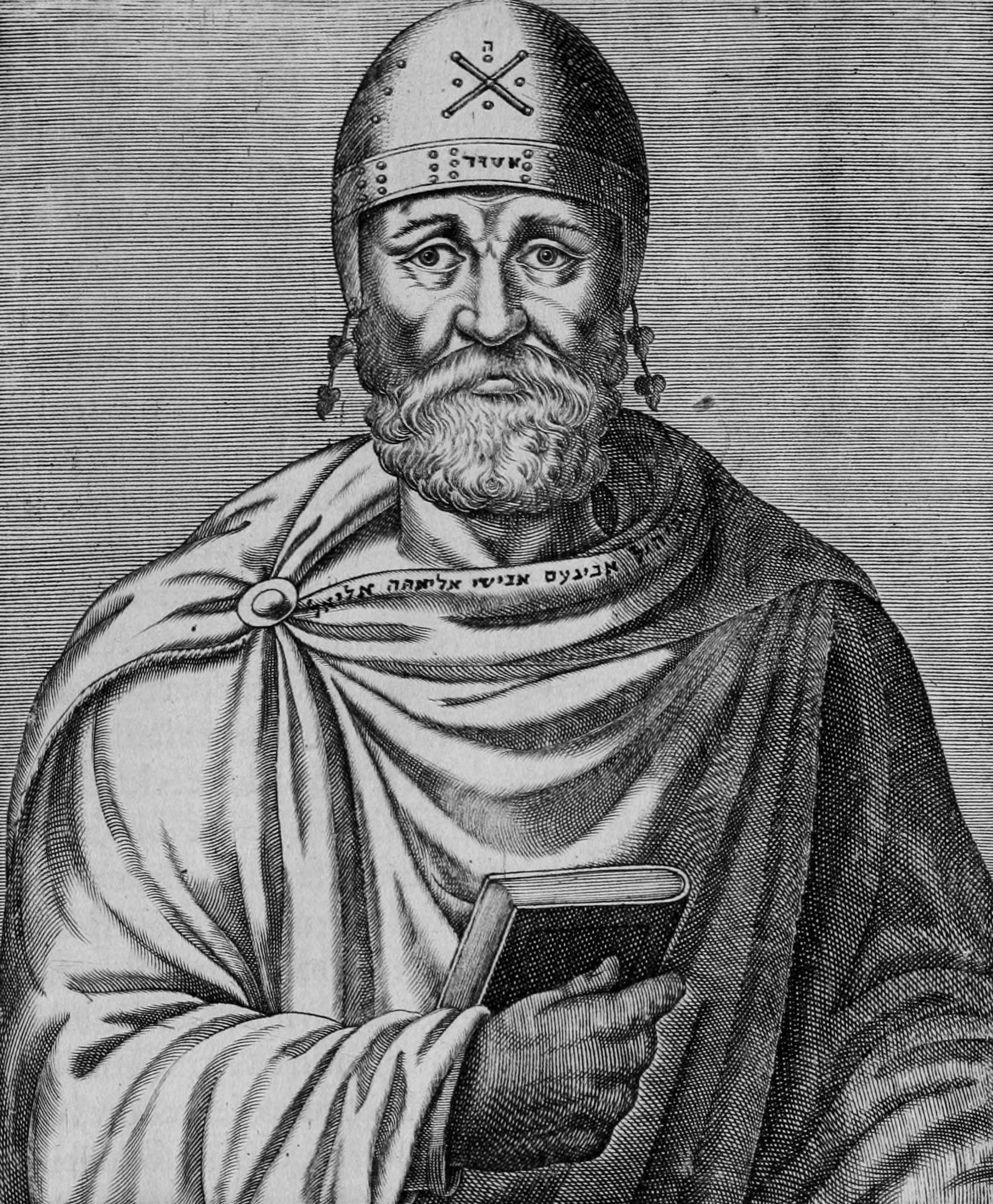
Philo of Alexandria (/ˈfaɪloʊ/; Ancient Greek: Φίλων, romanized: Phílōn; Hebrew: יְדִידְיָה, romanized: Yəḏīḏyāh; c. 20 BCE – c. 50 CE), also called Philō Judæus, was a Hellenistic Jewish philosopher who lived in Alexandria, in the Roman province of Egypt.
The only event in Philo's life that can be decisively dated is his representation of the Alexandrian Jews in a delegation to the Roman emperor Caligula in 40 CE following civil strife between the Jewish and Greek communities of Alexandria.
Philo was a leading writer of the Hellenistic Jewish community in Alexandria, Egypt. He wrote expansively in Koine Greek on philosophy, politics, and religion in his time; specifically, he explored the connections between Greek Platonic philosophy and late Second Temple Judaism. For example, he maintained that the Greek-language Septuagint and the Jewish law still being developed by the rabbis of the period together serve as a blueprint for the pursuit of individual enlightenment.
Philo's deployment of allegory to harmonize Jewish scripture, mainly the Torah, with Greek philosophy was the first documented of its kind, and thereby often misunderstood. Many critics of Philo assumed his allegorical perspective would lend credibility to the notion of legend over historicity. Philo often advocated a literal understanding of the Torah and the historicity of such described events, while at other times favoring allegorical readings.
Philo's dates of birth and death are unknown but can be judged by Philo's description of himself as "old" when he was part of the delegation to Gaius Caligula in 38 CE. Jewish history professor Daniel R. Schwartz estimates his birth year as sometime between 15 and 10 BCE. Philo's reference to an event under the reign of Emperor Claudius indicates that he died sometime between 45 and 50 CE. Philo also recounts that he visited the Second Temple in Jerusalem at least once in his lifetime.
Although the names of his parents are unknown, it is known that Philo came from a family which was noble, honourable and wealthy. It was either his father or paternal grandfather who was granted Roman citizenship from Roman dictator Gaius Julius Caesar. Jerome wrote that Philo came de genere sacerdotum (from a priestly family). His ancestors and family had social ties and connections to the priesthood in Judea, the Hasmonean dynasty, the Herodian dynasty and the Julio-Claudian dynasty in Rome.
Philo had one brother, Alexander Lysimachus, who was the general tax administrator of customs in Alexandria. He accumulated an immense amount of wealth, becoming not only the richest man in that city but also in the entire Hellenistic world. Alexander was so rich that he gave a loan to the wife of king Herod Agrippa, as well as gold and silver to overlay the nine gates of the temple in Jerusalem. Due to his extreme wealth, Alexander was also influential in imperial Roman circles as a friend of emperor Claudius. Through Alexander, Philo had two nephews, Tiberius Julius Alexander and Marcus Julius Alexander. The latter was the first husband of the Herodian princess Berenice. Marcus died in 43 or 44. Some scholars identify Alexander Lysimachus as the Alexander referenced in the Book of Acts, who presided over the Sanhedrin trial of John and Peter.
Philo lived in an era of increasing ethnic tension in Alexandria, exacerbated by the new strictures of imperial rule. Some expatriate Hellenes (Greeks) in Alexandria condemned the Jews for a supposed alliance with Rome, even as Rome was seeking to suppress Jewish national and cultural identity in the Roman province of Judaea. In Antiquities of the Jews, Josephus tells of Philo's selection by the Alexandrian Jewish community as their principal representative before the Roman emperor Gaius Caligula. He says that Philo agreed to represent the Alexandrian Jews about the civil disorder that had developed between the Jews and the Greeks. Josephus also tells us that Philo was skilled in philosophy and that he was brother to the alabarch Alexander. According to Josephus, Philo and the larger Jewish community refused to treat the emperor as a god, to erect statues in honour of the emperor, and to build altars and temples to the emperor. Josephus says Philo believed that God actively supported this refusal.
Hub AI
Philo AI simulator
(@Philo_simulator)
Philo
Philo of Alexandria (/ˈfaɪloʊ/; Ancient Greek: Φίλων, romanized: Phílōn; Hebrew: יְדִידְיָה, romanized: Yəḏīḏyāh; c. 20 BCE – c. 50 CE), also called Philō Judæus, was a Hellenistic Jewish philosopher who lived in Alexandria, in the Roman province of Egypt.
The only event in Philo's life that can be decisively dated is his representation of the Alexandrian Jews in a delegation to the Roman emperor Caligula in 40 CE following civil strife between the Jewish and Greek communities of Alexandria.
Philo was a leading writer of the Hellenistic Jewish community in Alexandria, Egypt. He wrote expansively in Koine Greek on philosophy, politics, and religion in his time; specifically, he explored the connections between Greek Platonic philosophy and late Second Temple Judaism. For example, he maintained that the Greek-language Septuagint and the Jewish law still being developed by the rabbis of the period together serve as a blueprint for the pursuit of individual enlightenment.
Philo's deployment of allegory to harmonize Jewish scripture, mainly the Torah, with Greek philosophy was the first documented of its kind, and thereby often misunderstood. Many critics of Philo assumed his allegorical perspective would lend credibility to the notion of legend over historicity. Philo often advocated a literal understanding of the Torah and the historicity of such described events, while at other times favoring allegorical readings.
Philo's dates of birth and death are unknown but can be judged by Philo's description of himself as "old" when he was part of the delegation to Gaius Caligula in 38 CE. Jewish history professor Daniel R. Schwartz estimates his birth year as sometime between 15 and 10 BCE. Philo's reference to an event under the reign of Emperor Claudius indicates that he died sometime between 45 and 50 CE. Philo also recounts that he visited the Second Temple in Jerusalem at least once in his lifetime.
Although the names of his parents are unknown, it is known that Philo came from a family which was noble, honourable and wealthy. It was either his father or paternal grandfather who was granted Roman citizenship from Roman dictator Gaius Julius Caesar. Jerome wrote that Philo came de genere sacerdotum (from a priestly family). His ancestors and family had social ties and connections to the priesthood in Judea, the Hasmonean dynasty, the Herodian dynasty and the Julio-Claudian dynasty in Rome.
Philo had one brother, Alexander Lysimachus, who was the general tax administrator of customs in Alexandria. He accumulated an immense amount of wealth, becoming not only the richest man in that city but also in the entire Hellenistic world. Alexander was so rich that he gave a loan to the wife of king Herod Agrippa, as well as gold and silver to overlay the nine gates of the temple in Jerusalem. Due to his extreme wealth, Alexander was also influential in imperial Roman circles as a friend of emperor Claudius. Through Alexander, Philo had two nephews, Tiberius Julius Alexander and Marcus Julius Alexander. The latter was the first husband of the Herodian princess Berenice. Marcus died in 43 or 44. Some scholars identify Alexander Lysimachus as the Alexander referenced in the Book of Acts, who presided over the Sanhedrin trial of John and Peter.
Philo lived in an era of increasing ethnic tension in Alexandria, exacerbated by the new strictures of imperial rule. Some expatriate Hellenes (Greeks) in Alexandria condemned the Jews for a supposed alliance with Rome, even as Rome was seeking to suppress Jewish national and cultural identity in the Roman province of Judaea. In Antiquities of the Jews, Josephus tells of Philo's selection by the Alexandrian Jewish community as their principal representative before the Roman emperor Gaius Caligula. He says that Philo agreed to represent the Alexandrian Jews about the civil disorder that had developed between the Jews and the Greeks. Josephus also tells us that Philo was skilled in philosophy and that he was brother to the alabarch Alexander. According to Josephus, Philo and the larger Jewish community refused to treat the emperor as a god, to erect statues in honour of the emperor, and to build altars and temples to the emperor. Josephus says Philo believed that God actively supported this refusal.
Recent media