
Recent from talks
Plaza Garibaldi
Knowledge base stats:
Talk channels stats:
Members stats:
Plaza Garibaldi
Plaza Garibaldi is located in monumental downtown, Mexico City, on Eje Central (Lázaro Cárdenas) between historic Calle República de Honduras and Calle República de Peru, a few blocks north of the Palacio de Bellas Artes. The original name of this plaza was Plaza Santa Cecilia, but in 1920, at the conclusion of the Mexican Revolution, it was renamed in honor of Lt. Col. Peppino Garibaldi, who joined with the Maderistas in the attack on Casas Grandes, Chihuahua, during the Revolution. The Garibaldi Metro station is named after this plaza.
The Plaza is known as Mexico City's home of mariachi music. All throughout the day and night, mariachi bands can be found playing or soliciting gigs from visitors to the Plaza. The Salón Tenampa, which became the home of mariachi music in Mexico City in the 1920s, is still in business on the north side of the plaza. The plaza and the neighborhoods around it are undergoing extensive renovations to halt the decades-long degeneration of the area. The plans include a remodeled plaza and extensive rework of the surrounding buildings and streets plus sidewalks, with the goal of making the area safe for visitors at all times. However, as of May, 2013, serious risks remained near the plaza and in the nearby neighborhood of Tepito.
This area was designated as a "Barrio Mágico" by the city in 2011.
During the Golden Age of Mexican cinema from the 1930s to the 1950s, a genre of movies called "Charro" became extremely popular. These films featured movie stars such as Tito Guízar, Jorge Negrete, José Alfredo Jiménez and Pedro Infante, who would often sing mariachi songs to their leading ladies. On one side of Plaza Garibaldi is the Salón Tenampa, which became a major nightspot in the 1920s when Cirilo Marmolejo and his mariachi band started playing there regularly. Garibaldi Plaza soon attracted other mariachi musicians, who would be paid by gentlemen to sing to their partners in the style of Marmolejo or the Charro movie stars.
The popularity of Charro movies has waned and Marmolejo died some time ago, but mariachi bands can still be found here day and night. These musicians play for the patrons of the bars, nightclubs and pulquerias that still surround the plaza, as well as for passers-by. Mariachi bands also line up on Eje Central in front of the plaza to solicit gigs from passing motorists. Over the years other types of bands, such as trios, jarochos (music groups from Veracruz), and even groups playing modern music, have joined the mariachis on the plaza. The best time to experience the plaza is on a Friday or Saturday night from 11:00 p.m. onwards.
The Salón Tenampa was founded by Juan Indalecio Hernández Ibarra, originally from Cocula, Jalisco, the birthplace of mariachi. Hernández arrived in Mexico City from Jalisco in 1923 and started a cantina/store on Plaza Garibaldi, naming it El Tenampa. The origin of this name is in dispute. Some say it was the brand name of a Cuban cigar that has since disappeared. Others say it is the name of a ranch in Veracruz and still others say it comes from an indigenous word “tenampal” meaning meeting place.
Hernández opened the establishment to give his fellow “Jalisquenses” a taste of home, with foods such as birria and pozole, as well as tequila and mariachi music. Soon after opening his establishment, Hernández located a mariachi musician he knew in Cocula, Concho Andrade, and convinced him to play at El Tenampa. This began the long tradition of major mariachi bands playing here. However, Andrade's band did not play here long because of the ongoing Cristero War that was causing problems back in Cocula, causing most of the band to return to Jalisco to their families. In 1927, Hernández hired Cirilo Marmolejo to play along with other mariachi groups. While one group played inside the club, another would play for crowds outside in the Plaza. The popularity of mariachi music grew and other big names in the genre, such as José Reyes, would also come and play at El Tenampa. Over the decades, the establishment hosted kings, princesses, presidents, and prime ministers, as well as innumerable politicians, artists and intellectuals from Mexico and abroad. Still located on the north side of Garibaldi Plaza, El Tenampa parties every night until 3:00 a.m., 4:00 a.m. on weekends and holidays.
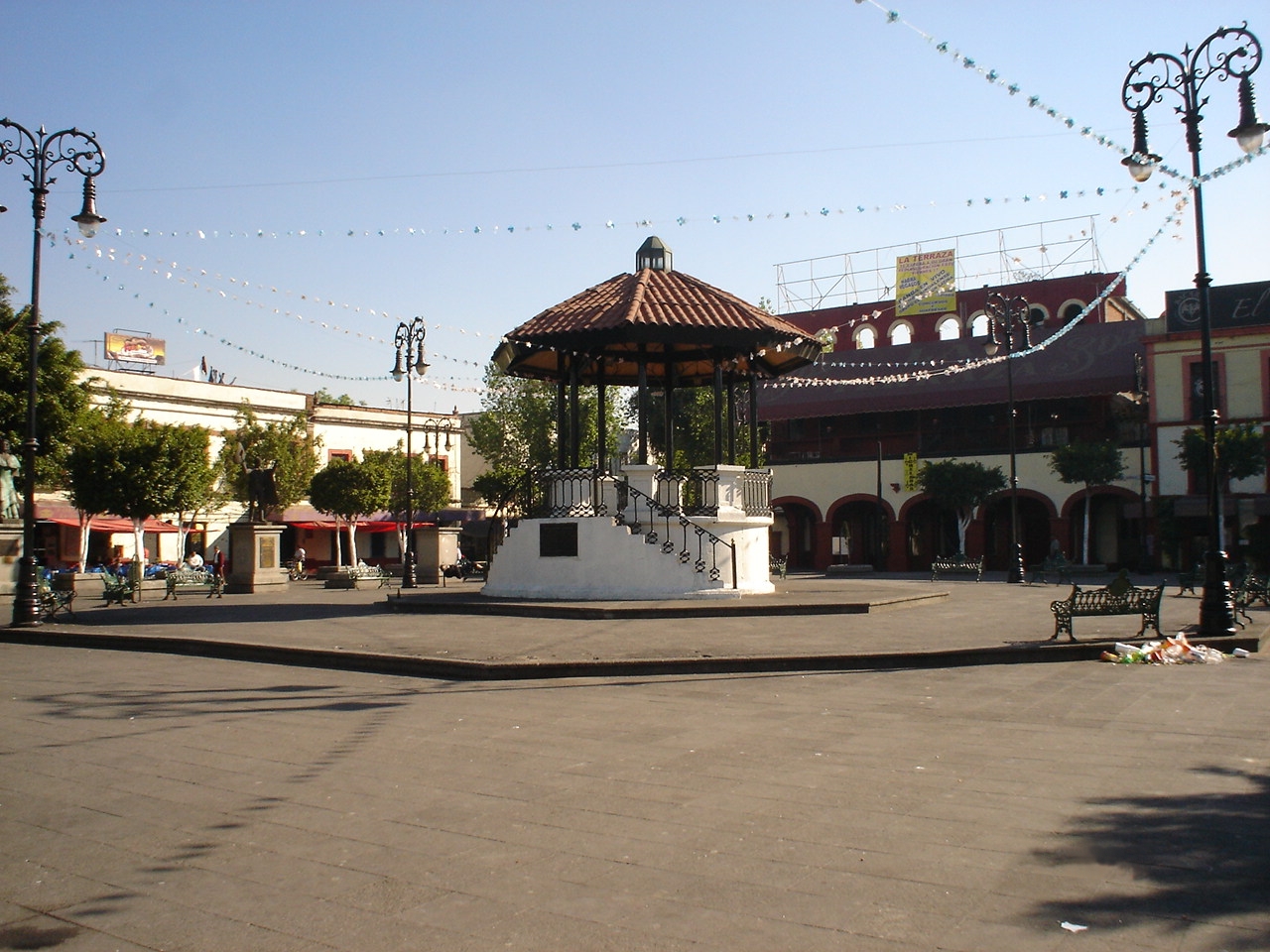
In 1910, Garibaldi Plaza had a garden in the middle of it. Later, the plaza was completely paved over with a kiosk placed in the center and an arcade placed near the front, by Eje Central. On either side of the plaza were statues of great Charro singers. Along with the Salón Tenampa, bars, restaurants and nightclubs have surrounded the Plaza. Other popular nightspots have included the Guadalajara de Noche, the Nuevo México Típico and the Tropicana. Places to eat include the San Camilito Gastronomic Market, which is filled with small stands serving Mexican food, many specializing in birria. There is a pulquería here as well, called the Pulquería Hermosa Hortensia. While it is not a traditional pulquería, it is considered to be a safe place for tourists to try the native alcoholic drink of pulque.
Hub AI
Plaza Garibaldi AI simulator
(@Plaza Garibaldi_simulator)
Plaza Garibaldi
Plaza Garibaldi is located in monumental downtown, Mexico City, on Eje Central (Lázaro Cárdenas) between historic Calle República de Honduras and Calle República de Peru, a few blocks north of the Palacio de Bellas Artes. The original name of this plaza was Plaza Santa Cecilia, but in 1920, at the conclusion of the Mexican Revolution, it was renamed in honor of Lt. Col. Peppino Garibaldi, who joined with the Maderistas in the attack on Casas Grandes, Chihuahua, during the Revolution. The Garibaldi Metro station is named after this plaza.
The Plaza is known as Mexico City's home of mariachi music. All throughout the day and night, mariachi bands can be found playing or soliciting gigs from visitors to the Plaza. The Salón Tenampa, which became the home of mariachi music in Mexico City in the 1920s, is still in business on the north side of the plaza. The plaza and the neighborhoods around it are undergoing extensive renovations to halt the decades-long degeneration of the area. The plans include a remodeled plaza and extensive rework of the surrounding buildings and streets plus sidewalks, with the goal of making the area safe for visitors at all times. However, as of May, 2013, serious risks remained near the plaza and in the nearby neighborhood of Tepito.
This area was designated as a "Barrio Mágico" by the city in 2011.
During the Golden Age of Mexican cinema from the 1930s to the 1950s, a genre of movies called "Charro" became extremely popular. These films featured movie stars such as Tito Guízar, Jorge Negrete, José Alfredo Jiménez and Pedro Infante, who would often sing mariachi songs to their leading ladies. On one side of Plaza Garibaldi is the Salón Tenampa, which became a major nightspot in the 1920s when Cirilo Marmolejo and his mariachi band started playing there regularly. Garibaldi Plaza soon attracted other mariachi musicians, who would be paid by gentlemen to sing to their partners in the style of Marmolejo or the Charro movie stars.
The popularity of Charro movies has waned and Marmolejo died some time ago, but mariachi bands can still be found here day and night. These musicians play for the patrons of the bars, nightclubs and pulquerias that still surround the plaza, as well as for passers-by. Mariachi bands also line up on Eje Central in front of the plaza to solicit gigs from passing motorists. Over the years other types of bands, such as trios, jarochos (music groups from Veracruz), and even groups playing modern music, have joined the mariachis on the plaza. The best time to experience the plaza is on a Friday or Saturday night from 11:00 p.m. onwards.
The Salón Tenampa was founded by Juan Indalecio Hernández Ibarra, originally from Cocula, Jalisco, the birthplace of mariachi. Hernández arrived in Mexico City from Jalisco in 1923 and started a cantina/store on Plaza Garibaldi, naming it El Tenampa. The origin of this name is in dispute. Some say it was the brand name of a Cuban cigar that has since disappeared. Others say it is the name of a ranch in Veracruz and still others say it comes from an indigenous word “tenampal” meaning meeting place.
Hernández opened the establishment to give his fellow “Jalisquenses” a taste of home, with foods such as birria and pozole, as well as tequila and mariachi music. Soon after opening his establishment, Hernández located a mariachi musician he knew in Cocula, Concho Andrade, and convinced him to play at El Tenampa. This began the long tradition of major mariachi bands playing here. However, Andrade's band did not play here long because of the ongoing Cristero War that was causing problems back in Cocula, causing most of the band to return to Jalisco to their families. In 1927, Hernández hired Cirilo Marmolejo to play along with other mariachi groups. While one group played inside the club, another would play for crowds outside in the Plaza. The popularity of mariachi music grew and other big names in the genre, such as José Reyes, would also come and play at El Tenampa. Over the decades, the establishment hosted kings, princesses, presidents, and prime ministers, as well as innumerable politicians, artists and intellectuals from Mexico and abroad. Still located on the north side of Garibaldi Plaza, El Tenampa parties every night until 3:00 a.m., 4:00 a.m. on weekends and holidays.
In 1910, Garibaldi Plaza had a garden in the middle of it. Later, the plaza was completely paved over with a kiosk placed in the center and an arcade placed near the front, by Eje Central. On either side of the plaza were statues of great Charro singers. Along with the Salón Tenampa, bars, restaurants and nightclubs have surrounded the Plaza. Other popular nightspots have included the Guadalajara de Noche, the Nuevo México Típico and the Tropicana. Places to eat include the San Camilito Gastronomic Market, which is filled with small stands serving Mexican food, many specializing in birria. There is a pulquería here as well, called the Pulquería Hermosa Hortensia. While it is not a traditional pulquería, it is considered to be a safe place for tourists to try the native alcoholic drink of pulque.
Recent media