
Recent from talks
Porch
Knowledge base stats:
Talk channels stats:
Members stats:
Porch
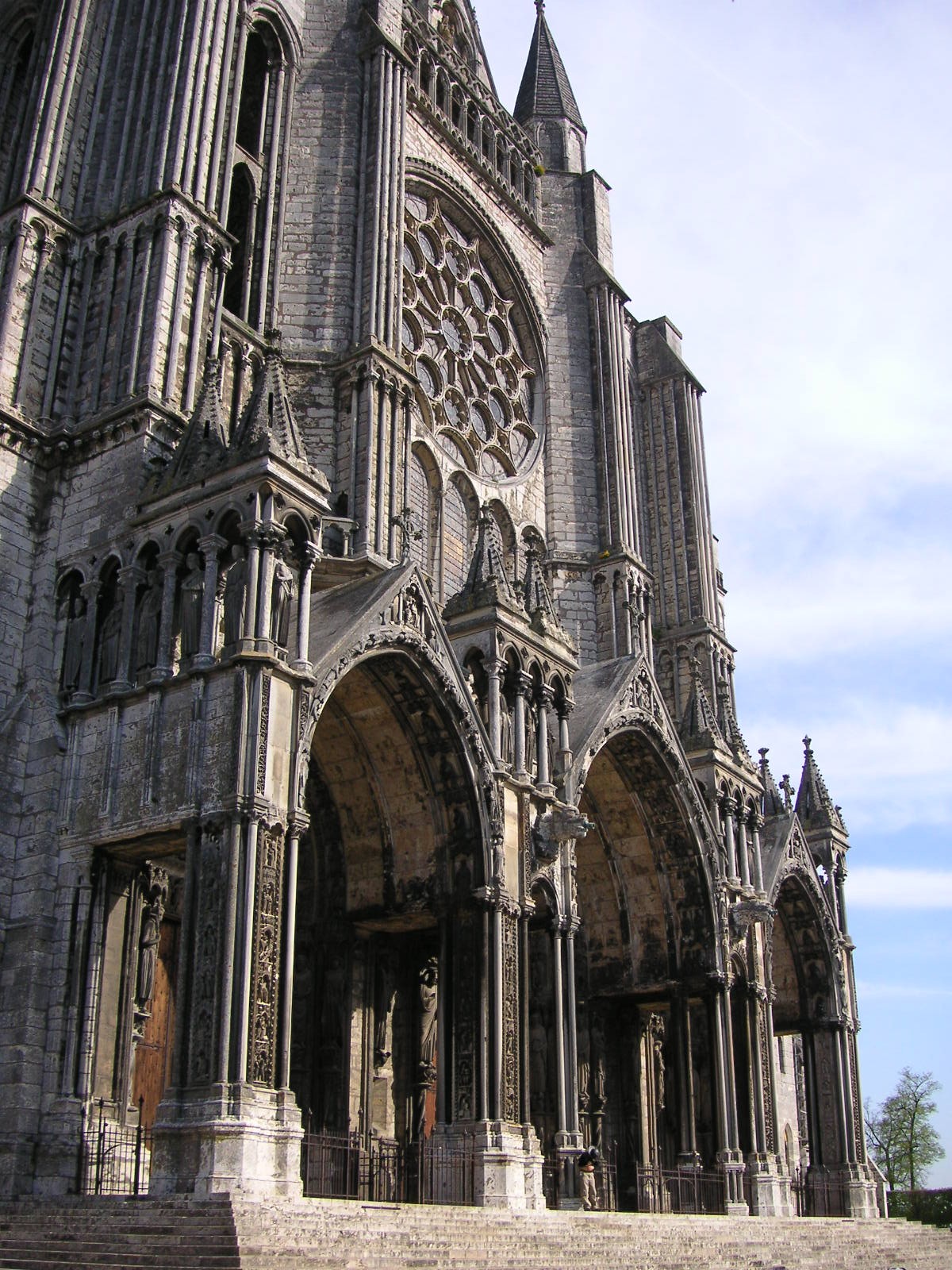
A porch (from Old French porche; from Latin porticus 'colonnade', from porta 'passage') is a room or gallery located in front of an entrance to a building. A porch is placed in front of the façade of a building it commands, and forms a low front. Alternatively, it may be a vestibule (a small room leading into a larger space) or a projecting building that houses the entrance door of a building.
Porches exist in both religious and secular architecture. There are various styles of porches, many of which depend on the architectural tradition of its location. Porches allow for sufficient space for a person to comfortably pause before entering or after exiting a building, or to relax on. Many porches are open on the outward side with balustrade supported by balusters that usually encircles the entire porch except where stairs are found.
The word porch is almost exclusively used for a structure that is outside the main walls of a building or house. Porches can exist under the same roof line as the rest of the building, or as towers and turrets that are supported by simple porch posts or ornate colonnades and arches. Examples of porches include those found in Queen Anne style architecture, Victorian-style houses, Spanish Colonial Revival architecture, or any of the American Colonial-style buildings and homes.
Some porches are very small and cover only the entrance area of a building. Other porches are larger, sometimes extending beyond an entrance by wrapping around the sides of a building, or even wrapping around completely to surround an entire building. A porch can be part of the ground floor or an upper floor, a design used in the Mrs. Lydia Johnson House (built in 1895).
The Apadana palace of the city of Persepolis was built in the first half of the 6th century BCE. The palace has open columned verandas on three sides which is a unique feature among all palace buildings at Persepolis. Porches are an invention of the Persians who made their way to Rome and the Islamic world.[citation needed] In Ancient Greek architecture, the peristyle was a continuous porch with a row of columns around the outside of building or a courtyard.
An Arizona room is a type of screened porch commonly found in Arizona.
A screened porch, also called a screened-in-porch, is a porch that was built or altered to be enclosed with screens that effectively creates an outdoor type room.
A sleeping porch is a porch that was built or modified to be a type of semi-outdoor sleeping area. A sleeping porch can be an ordinary open porch, screened or with screened windows that can be opened.
Hub AI
Porch AI simulator
(@Porch_simulator)
Porch
A porch (from Old French porche; from Latin porticus 'colonnade', from porta 'passage') is a room or gallery located in front of an entrance to a building. A porch is placed in front of the façade of a building it commands, and forms a low front. Alternatively, it may be a vestibule (a small room leading into a larger space) or a projecting building that houses the entrance door of a building.
Porches exist in both religious and secular architecture. There are various styles of porches, many of which depend on the architectural tradition of its location. Porches allow for sufficient space for a person to comfortably pause before entering or after exiting a building, or to relax on. Many porches are open on the outward side with balustrade supported by balusters that usually encircles the entire porch except where stairs are found.
The word porch is almost exclusively used for a structure that is outside the main walls of a building or house. Porches can exist under the same roof line as the rest of the building, or as towers and turrets that are supported by simple porch posts or ornate colonnades and arches. Examples of porches include those found in Queen Anne style architecture, Victorian-style houses, Spanish Colonial Revival architecture, or any of the American Colonial-style buildings and homes.
Some porches are very small and cover only the entrance area of a building. Other porches are larger, sometimes extending beyond an entrance by wrapping around the sides of a building, or even wrapping around completely to surround an entire building. A porch can be part of the ground floor or an upper floor, a design used in the Mrs. Lydia Johnson House (built in 1895).
The Apadana palace of the city of Persepolis was built in the first half of the 6th century BCE. The palace has open columned verandas on three sides which is a unique feature among all palace buildings at Persepolis. Porches are an invention of the Persians who made their way to Rome and the Islamic world.[citation needed] In Ancient Greek architecture, the peristyle was a continuous porch with a row of columns around the outside of building or a courtyard.
An Arizona room is a type of screened porch commonly found in Arizona.
A screened porch, also called a screened-in-porch, is a porch that was built or altered to be enclosed with screens that effectively creates an outdoor type room.
A sleeping porch is a porch that was built or modified to be a type of semi-outdoor sleeping area. A sleeping porch can be an ordinary open porch, screened or with screened windows that can be opened.
Recent media