
Recent from talks
Pueblo III period
Knowledge base stats:
Talk channels stats:
Members stats:
Pueblo III period
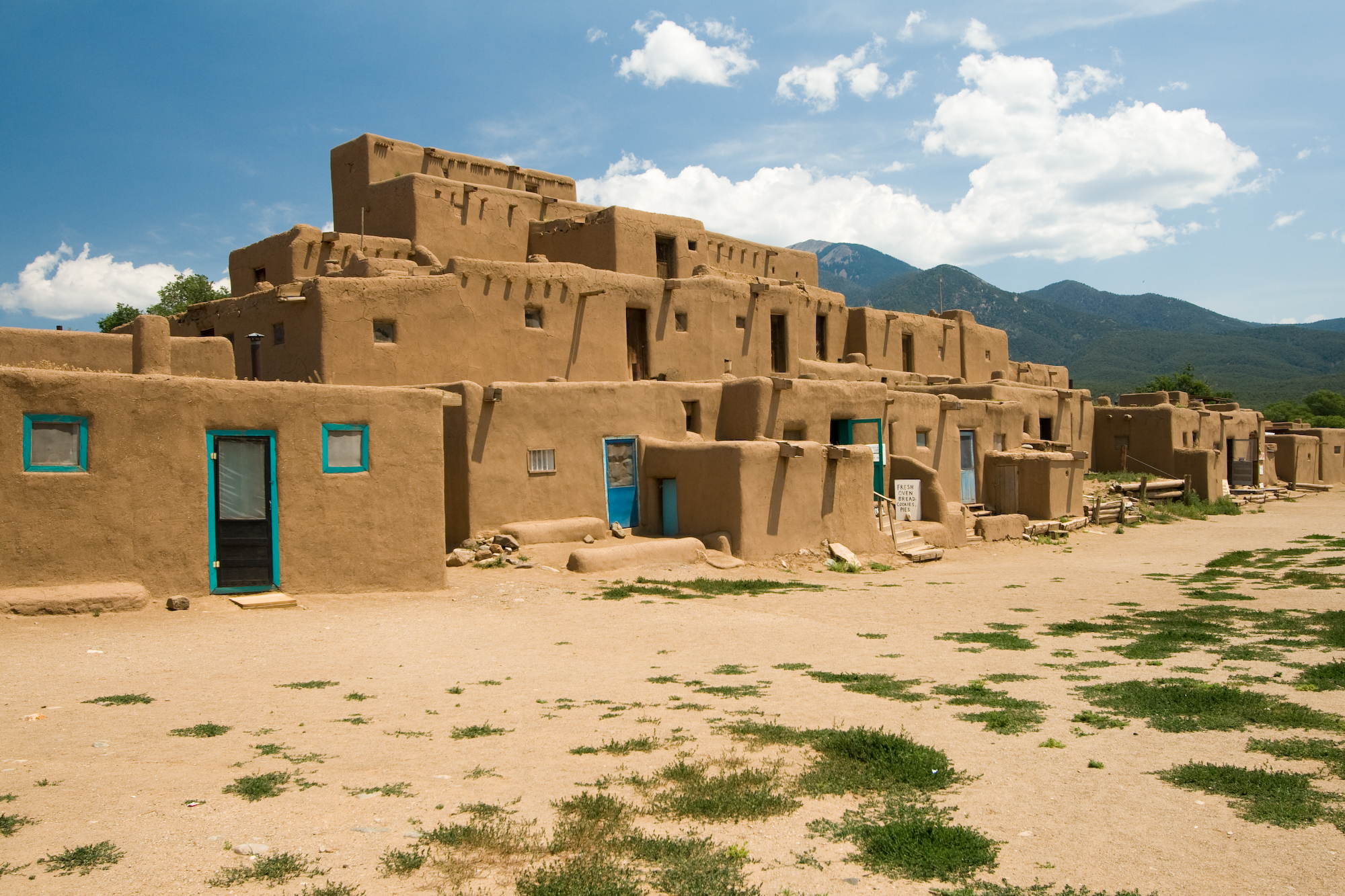
The Pueblo III period (AD 1150–1350) was the third period, also called the "Great Pueblo period" when Ancestral Puebloans lived in large cliff-dwelling, multi-storied pueblo, or cliff-side talus house communities. By the end of the period, the ancient people of the Four Corners region migrated south into larger, centralized pueblos in central and southern Arizona and New Mexico.
The Pueblo III period (Pecos Classification) is roughly the same as the "Great Pueblo period" and "Classic Pueblo period" (AD 1100–1300). It is preceded by the Pueblo II period, and is followed by the Pueblo IV period.
During the Pueblo III period most people lived in communities with large multi-storied dwellings. Some moved into community centers at pueblos canyon heads, such as Sand Canyon and Goodman Point pueblos in the Montezuma Valley; others moved into cliff dwellings on canyon shelves such as Mesa Verde or Keet Seel in the Navajo National Monument. Typical villages had included kivas, towers, and dwellings made with triple-coursed (three rows of stones) stone masonry walls. T-shaped windows and doors emerged for both surface and cliff dwellings.
Three major regional centers with cliff dwellings and community centers were Chaco Culture National Historical Park in New Mexico, Mesa Verde National Park in southwestern Colorado and Betatakin and Keet Seel area (Navajo National Monument) in Arizona.
The ancient people were short in stature: men were an average of about 5 feet and 4 inches tall and women were a few inches shorter. Women often died between the ages of 20 and 25. Men generally lived to 31 or 35 years old. By the age of 29, many people had degenerative arthritis. People rarely lived more than 40 years.
Based upon the similarities between the Ancestral Puebloans and modern puebloan people, it is likely that the communities were organized in clans, or groups of related family members, by matrilineal lines of descent. When a couple married, they lived at the home of the wife's mother and the husband engaged in religious activities in the kiva of his mother's clan.
During the Pueblo III period, some people were buried with personal objects, indicating both a level of prestige and evolved religious beliefs. To have earned a higher status within the community infers that the settlements developed hierarchical political and social systems.
It is likely that public ceremonial dances were performed for bountiful harvests, health, hunting and rain, like the Hopi Snake Dance. Whatever the ceremonial observance, each person had a role which increased in responsibility and status over time.
Hub AI
Pueblo III period AI simulator
(@Pueblo III period_simulator)
Pueblo III period
The Pueblo III period (AD 1150–1350) was the third period, also called the "Great Pueblo period" when Ancestral Puebloans lived in large cliff-dwelling, multi-storied pueblo, or cliff-side talus house communities. By the end of the period, the ancient people of the Four Corners region migrated south into larger, centralized pueblos in central and southern Arizona and New Mexico.
The Pueblo III period (Pecos Classification) is roughly the same as the "Great Pueblo period" and "Classic Pueblo period" (AD 1100–1300). It is preceded by the Pueblo II period, and is followed by the Pueblo IV period.
During the Pueblo III period most people lived in communities with large multi-storied dwellings. Some moved into community centers at pueblos canyon heads, such as Sand Canyon and Goodman Point pueblos in the Montezuma Valley; others moved into cliff dwellings on canyon shelves such as Mesa Verde or Keet Seel in the Navajo National Monument. Typical villages had included kivas, towers, and dwellings made with triple-coursed (three rows of stones) stone masonry walls. T-shaped windows and doors emerged for both surface and cliff dwellings.
Three major regional centers with cliff dwellings and community centers were Chaco Culture National Historical Park in New Mexico, Mesa Verde National Park in southwestern Colorado and Betatakin and Keet Seel area (Navajo National Monument) in Arizona.
The ancient people were short in stature: men were an average of about 5 feet and 4 inches tall and women were a few inches shorter. Women often died between the ages of 20 and 25. Men generally lived to 31 or 35 years old. By the age of 29, many people had degenerative arthritis. People rarely lived more than 40 years.
Based upon the similarities between the Ancestral Puebloans and modern puebloan people, it is likely that the communities were organized in clans, or groups of related family members, by matrilineal lines of descent. When a couple married, they lived at the home of the wife's mother and the husband engaged in religious activities in the kiva of his mother's clan.
During the Pueblo III period, some people were buried with personal objects, indicating both a level of prestige and evolved religious beliefs. To have earned a higher status within the community infers that the settlements developed hierarchical political and social systems.
It is likely that public ceremonial dances were performed for bountiful harvests, health, hunting and rain, like the Hopi Snake Dance. Whatever the ceremonial observance, each person had a role which increased in responsibility and status over time.
Recent media