



Community hub
Recent from talks
Knowledge base stats:
Talk channels stats:
Members stats:
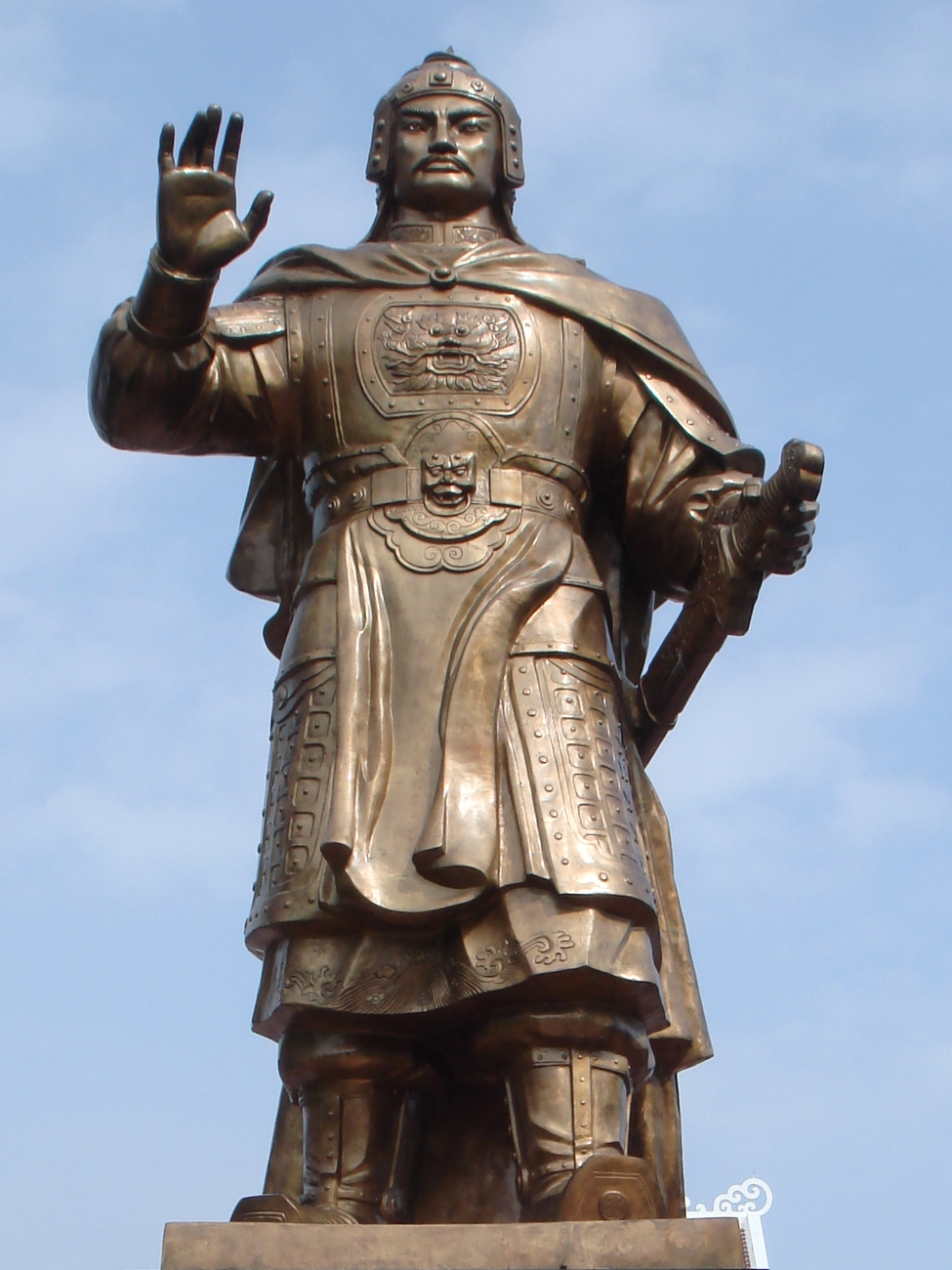
Quang Trung
Emperor Quang Trung (Vietnamese: [kwāːŋ ʈūŋm]; chữ Hán: 光中, 1753 – 16 September 1792) or Nguyễn Huệ (chữ Hán: 阮惠), also known as Nguyễn Quang Bình (chữ Hán: 阮光平), or Hồ Thơm (chữ Hán: 胡𦹳) was the second emperor of the Tây Sơn dynasty, reigning from 1788 until 1792. He was also one of the most successful military commanders in Vietnam's history. Nguyễn Huệ and his brothers, Nguyễn Nhạc and Nguyễn Lữ, together known as the Tây Sơn brothers, were the leaders of the Tây Sơn rebellion. As rebels, they conquered Vietnam, overthrowing the imperial Later Lê dynasty and the two rival feudal houses of the Nguyễn in the south and the Trịnh in the north.
After several years of constant military campaigning and rule, Nguyễn Huệ died at the age of 40. Prior to his death, he had made plans to continue his march southwards in order to destroy the army of Nguyễn Ánh, a surviving heir of the Nguyễn lords.
Nguyễn Huệ's death marked the beginning of the downfall of the Tây Sơn dynasty. His successors were unable to implement the plans he had made for ruling Vietnam, leaving the empire weak and vulnerable. The Tây Sơn dynasty was overthrown by its enemy, Nguyễn Ánh, who established the imperial Nguyễn dynasty in 1802.
According to multiple sources, Nguyễn Huệ's ancestors were peasants who lived in Nghệ An. They left Nghệ An and moved to southern Vietnam after an attack by the Nguyễn lords against the Trịnh lords in Nghệ An. His ancestors' surname was Hồ (胡), but Huệ's great-grandfather Hồ Phi Long, who was a servant of the Dinh family of Bằng Chân hamlet, Tuy Viễn district (or An Nhơn), Quy Nhơn province, married a woman from the Dinh family and had a son named Hồ Phi Tiễn, Huệ's grandfather. Hồ Phi Tiễn did not continue farming as his father, but instead traded in betel. Through his work he met and married Nguyễn Thị Đồng (阮氏仝), the only daughter of a rich betel tradesman residing in Tây Sơn village. One of their children was Huệ's father Hồ Phi Phúc (胡丕福, also known as Nguyễn Phi Phúc). Some sources say that in taking on the surname Nguyễn, the family followed the surname of Huệ's mother; other sources say that it followed the surname of Nguyễn lords of southern Vietnam.
Nguyễn Huệ was born in 1753 in Tây Sơn village, Quy Nhơn Province (now Bình Định Province). His father had eight children; later, three of them took part in the Tây Sơn Rebellion. According to Đại Nam chính biên liệt truyện, the Tây Sơn brothers, listed from eldest to youngest, were Nguyễn Nhạc, Nguyễn Lữ, Nguyễn Huệ. However, other source reported that Nguyễn Lữ was the youngest one. His birth name was Hồ Thơm, he also had a nickname Đức ông Tám (Sir Eighth the virtue).
Đại Nam chính biên liệt truyện described Nguyễn Huệ as "a cunning man, good at fighting; he has bright penetrating eyes, and always speak in a stentorian voice, everyone fears him." His father, Nguyễn Phi Phúc, made the three brothers dedicate themselves to their studies early in life. Their martial arts master was Trương Văn Hiến, a retainer (môn khách) and friend of Trương Văn Hạnh (張文幸), who in turn was the teacher of Nguyễn Phúc Luân, the father of Nguyễn Ánh. After Trương Văn Hạnh killed by the powerful chancellor Trương Phúc Loan, Trương Văn Hiến fled to Bình Định. He was first man to discover the talents of the Tây Sơn brothers and to advise them to do great deeds.
Later, Trương Văn Hiến encouraged Nguyễn Nhạc to revolt against Nguyễn lords: "The prophecy says: 'Revolt in the West, success in the North'. You are born in Tây Sơn District, you must do your best." Nguyễn Nhạc then gathered people to help him in his rebellion, saying to "overthrow the Trịnh lords, revive the Lê dynasty".
Seeking to overthrow the corrupted Trương Phúc Loan and to help the prince Nguyễn Phúc Dương, the eldest of the Tây Sơn Brothers, Nguyễn Nhạc, gathered an army and revolted in 1771. He was aided by his brothers Nguyễn Huệ and Nguyễn Lữ. In the early days of the rebellion, Huệ was the most helpful of Nhạc's generals both in finance and in training the army; with the encouragement of Trương Văn Hiến and his own talent, Huệ rapidly increased his own popularity and that of the Tây Sơn Rebellion.
Hub AI
Quang Trung AI simulator
(@Quang Trung_simulator)
Quang Trung
Emperor Quang Trung (Vietnamese: [kwāːŋ ʈūŋm]; chữ Hán: 光中, 1753 – 16 September 1792) or Nguyễn Huệ (chữ Hán: 阮惠), also known as Nguyễn Quang Bình (chữ Hán: 阮光平), or Hồ Thơm (chữ Hán: 胡𦹳) was the second emperor of the Tây Sơn dynasty, reigning from 1788 until 1792. He was also one of the most successful military commanders in Vietnam's history. Nguyễn Huệ and his brothers, Nguyễn Nhạc and Nguyễn Lữ, together known as the Tây Sơn brothers, were the leaders of the Tây Sơn rebellion. As rebels, they conquered Vietnam, overthrowing the imperial Later Lê dynasty and the two rival feudal houses of the Nguyễn in the south and the Trịnh in the north.
After several years of constant military campaigning and rule, Nguyễn Huệ died at the age of 40. Prior to his death, he had made plans to continue his march southwards in order to destroy the army of Nguyễn Ánh, a surviving heir of the Nguyễn lords.
Nguyễn Huệ's death marked the beginning of the downfall of the Tây Sơn dynasty. His successors were unable to implement the plans he had made for ruling Vietnam, leaving the empire weak and vulnerable. The Tây Sơn dynasty was overthrown by its enemy, Nguyễn Ánh, who established the imperial Nguyễn dynasty in 1802.
According to multiple sources, Nguyễn Huệ's ancestors were peasants who lived in Nghệ An. They left Nghệ An and moved to southern Vietnam after an attack by the Nguyễn lords against the Trịnh lords in Nghệ An. His ancestors' surname was Hồ (胡), but Huệ's great-grandfather Hồ Phi Long, who was a servant of the Dinh family of Bằng Chân hamlet, Tuy Viễn district (or An Nhơn), Quy Nhơn province, married a woman from the Dinh family and had a son named Hồ Phi Tiễn, Huệ's grandfather. Hồ Phi Tiễn did not continue farming as his father, but instead traded in betel. Through his work he met and married Nguyễn Thị Đồng (阮氏仝), the only daughter of a rich betel tradesman residing in Tây Sơn village. One of their children was Huệ's father Hồ Phi Phúc (胡丕福, also known as Nguyễn Phi Phúc). Some sources say that in taking on the surname Nguyễn, the family followed the surname of Huệ's mother; other sources say that it followed the surname of Nguyễn lords of southern Vietnam.
Nguyễn Huệ was born in 1753 in Tây Sơn village, Quy Nhơn Province (now Bình Định Province). His father had eight children; later, three of them took part in the Tây Sơn Rebellion. According to Đại Nam chính biên liệt truyện, the Tây Sơn brothers, listed from eldest to youngest, were Nguyễn Nhạc, Nguyễn Lữ, Nguyễn Huệ. However, other source reported that Nguyễn Lữ was the youngest one. His birth name was Hồ Thơm, he also had a nickname Đức ông Tám (Sir Eighth the virtue).
Đại Nam chính biên liệt truyện described Nguyễn Huệ as "a cunning man, good at fighting; he has bright penetrating eyes, and always speak in a stentorian voice, everyone fears him." His father, Nguyễn Phi Phúc, made the three brothers dedicate themselves to their studies early in life. Their martial arts master was Trương Văn Hiến, a retainer (môn khách) and friend of Trương Văn Hạnh (張文幸), who in turn was the teacher of Nguyễn Phúc Luân, the father of Nguyễn Ánh. After Trương Văn Hạnh killed by the powerful chancellor Trương Phúc Loan, Trương Văn Hiến fled to Bình Định. He was first man to discover the talents of the Tây Sơn brothers and to advise them to do great deeds.
Later, Trương Văn Hiến encouraged Nguyễn Nhạc to revolt against Nguyễn lords: "The prophecy says: 'Revolt in the West, success in the North'. You are born in Tây Sơn District, you must do your best." Nguyễn Nhạc then gathered people to help him in his rebellion, saying to "overthrow the Trịnh lords, revive the Lê dynasty".
Seeking to overthrow the corrupted Trương Phúc Loan and to help the prince Nguyễn Phúc Dương, the eldest of the Tây Sơn Brothers, Nguyễn Nhạc, gathered an army and revolted in 1771. He was aided by his brothers Nguyễn Huệ and Nguyễn Lữ. In the early days of the rebellion, Huệ was the most helpful of Nhạc's generals both in finance and in training the army; with the encouragement of Trương Văn Hiến and his own talent, Huệ rapidly increased his own popularity and that of the Tây Sơn Rebellion.