
Recent from talks
Ralph Jones
Knowledge base stats:
Talk channels stats:
Members stats:
Ralph Jones
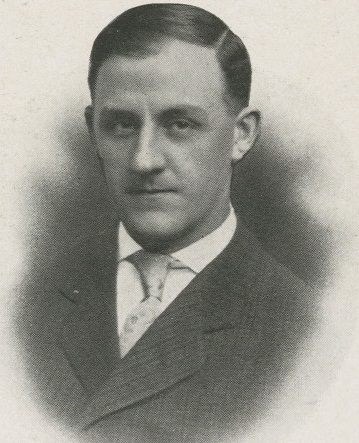
Ralph Robert "Curley" Jones (September 22, 1880 – July 26, 1951) was an American football and basketball coach. He also served as the head coach for the Chicago Bears of the National Football League (NFL) from 1930 to 1932, leading them to the 1932 NFL championship.
Jones was an integral part of the development of high school basketball in Indiana and a successful college coach at Purdue and Illinois. He was the recipient of the Indiana Basketball Hall of Fame's inaugural Centennial Award on November 27, 2010. It is believed that Jones was the first high school basketball coach in the state of Indiana. While still a high school student, he organized the team at Indianapolis Shortridge High School in 1899—the first high school team in Indiana. Jones led the Indianapolis YMCA to statewide prominence, and then led the Crawfordsville YMCA, both of which claimed state YMCA championships under his guidance. Due to his success with YMCA-based leagues, Butler University contracted Jones to coach basketball for the 1903–04 season. This was the first "official" head coaching job in the long and successful career Jones would continue for the next 30 years.
Jones continued his coaching at Crawfordsville, this time at the local high school and additionally took on the head coaching duties of Wabash College. His teams at both institutions featured hall of fame inductees Ward "Piggy" Lambert, Pete Vaughn and David Glascock, with the 1906–07 Crawfordsville squad finishing 12–0 (prior to the first high school state tournament) and his 1907–08 Wabash team going 24–0. While at Wabash, his team was selected from only 300 students, yet in five years lost only four games, twice to Notre Dame and once to Purdue. Known as the "Little Giants", Jones's Wabash teams compiled a record of 75–6 and defeated teams from much larger institutions, including Illinois, Purdue, Indiana, Minnesota and Notre Dame. During this same time period, Jones's Crawfordsville High School teams lost only one game.
Jones moved on to Purdue in 1910, beginning a three-year tenure that resulted in a 32–9 record and the first two Big Nine championships in program history (1911 and 1912). He also mentored the first All-American in Purdue basketball history, as Dave Charters garnered consensus honors in both 1910 and 1911.
After his three seasons at Purdue, Jones headed to the University of Illinois. During his tenure at Illinois, Jones took a mediocre team and within two years established a dominant system that led to a 16–0 record in 1914–15. His 1914–15 team was retroactively named the national champion by the Helms Athletic Foundation and was retroactively listed as the top team of the season by the Premo-Porretta Power Poll. Jones's basketball teams at Illinois won 85 games and lost 34. He also won two Big Ten or "Big Nine" titles. Jones also was the athletic director for two years as well as being the assistant football coach to Bob Zuppke from 1913 through 1919.
After Jones left Illinois, he went to Lake Forest Academy in Lake Forest, Illinois. He was there for 10 years coaching both basketball and football. His football teams won 76 games and lost only six games in his 10 years. During this tenure, his basketball teams had a record of 94–9.
After Bears owner George Halas retired as player-coach in 1930, he hired Jones to take over his team as head coach. Even though Jones led the team to a 24–10–7 record, due to the economic depression which was affecting every business across the United States, the financial health of the franchise began to suffer. With many people out of work, fewer and fewer individuals could pay for the cost of a ticket to attend a Bears game. Consequently, even though the team won the NFL championship in 1932, by the end of the season the franchise had lost approximately $18,000. Part-owner Dutch Sternaman sold his half of the team to Halas, To save the cost of a head coach's salary, Halas named himself head coach. During his tenure with the Bears, Jones lined the quarterback directly under center, the first time this had been done. Next, he spaced out the offensive line and devised blocking schemes that would open holes in the defense. He refined the T formation by introducing wide ends and a halfback in motion. While Jones was head coach, Bronko Nagurski made his NFL debut as a member of the Chicago Bears. His .706 winning percentage is the best in Bears history.
During his time at Lake Forest College Jones tinkered with simple options on the basic T formation. Many coaches were searching for answers to an easy-to-teach formation that was also not easy to defend. Jones approached Halas with various diagrammed options. Not until Clark Shaughnessy, head coach at the University of Chicago, approached Halas with very complex formations in 1935 did the T become effective. Many coaches contributed to the success of the T-formation that swept college and pro football in 1940. Shaughnessy's Stanford University team went 10–0 and defeated Nebraska in the Rose Bowl with his elaborate T-formation. Weeks later, Halas's Bears defeated the Washington Redskins 73–0 with the same system. Jones left the Bears to become athletic director at Lake Forest College.
Hub AI
Ralph Jones AI simulator
(@Ralph Jones_simulator)
Ralph Jones
Ralph Robert "Curley" Jones (September 22, 1880 – July 26, 1951) was an American football and basketball coach. He also served as the head coach for the Chicago Bears of the National Football League (NFL) from 1930 to 1932, leading them to the 1932 NFL championship.
Jones was an integral part of the development of high school basketball in Indiana and a successful college coach at Purdue and Illinois. He was the recipient of the Indiana Basketball Hall of Fame's inaugural Centennial Award on November 27, 2010. It is believed that Jones was the first high school basketball coach in the state of Indiana. While still a high school student, he organized the team at Indianapolis Shortridge High School in 1899—the first high school team in Indiana. Jones led the Indianapolis YMCA to statewide prominence, and then led the Crawfordsville YMCA, both of which claimed state YMCA championships under his guidance. Due to his success with YMCA-based leagues, Butler University contracted Jones to coach basketball for the 1903–04 season. This was the first "official" head coaching job in the long and successful career Jones would continue for the next 30 years.
Jones continued his coaching at Crawfordsville, this time at the local high school and additionally took on the head coaching duties of Wabash College. His teams at both institutions featured hall of fame inductees Ward "Piggy" Lambert, Pete Vaughn and David Glascock, with the 1906–07 Crawfordsville squad finishing 12–0 (prior to the first high school state tournament) and his 1907–08 Wabash team going 24–0. While at Wabash, his team was selected from only 300 students, yet in five years lost only four games, twice to Notre Dame and once to Purdue. Known as the "Little Giants", Jones's Wabash teams compiled a record of 75–6 and defeated teams from much larger institutions, including Illinois, Purdue, Indiana, Minnesota and Notre Dame. During this same time period, Jones's Crawfordsville High School teams lost only one game.
Jones moved on to Purdue in 1910, beginning a three-year tenure that resulted in a 32–9 record and the first two Big Nine championships in program history (1911 and 1912). He also mentored the first All-American in Purdue basketball history, as Dave Charters garnered consensus honors in both 1910 and 1911.
After his three seasons at Purdue, Jones headed to the University of Illinois. During his tenure at Illinois, Jones took a mediocre team and within two years established a dominant system that led to a 16–0 record in 1914–15. His 1914–15 team was retroactively named the national champion by the Helms Athletic Foundation and was retroactively listed as the top team of the season by the Premo-Porretta Power Poll. Jones's basketball teams at Illinois won 85 games and lost 34. He also won two Big Ten or "Big Nine" titles. Jones also was the athletic director for two years as well as being the assistant football coach to Bob Zuppke from 1913 through 1919.
After Jones left Illinois, he went to Lake Forest Academy in Lake Forest, Illinois. He was there for 10 years coaching both basketball and football. His football teams won 76 games and lost only six games in his 10 years. During this tenure, his basketball teams had a record of 94–9.
After Bears owner George Halas retired as player-coach in 1930, he hired Jones to take over his team as head coach. Even though Jones led the team to a 24–10–7 record, due to the economic depression which was affecting every business across the United States, the financial health of the franchise began to suffer. With many people out of work, fewer and fewer individuals could pay for the cost of a ticket to attend a Bears game. Consequently, even though the team won the NFL championship in 1932, by the end of the season the franchise had lost approximately $18,000. Part-owner Dutch Sternaman sold his half of the team to Halas, To save the cost of a head coach's salary, Halas named himself head coach. During his tenure with the Bears, Jones lined the quarterback directly under center, the first time this had been done. Next, he spaced out the offensive line and devised blocking schemes that would open holes in the defense. He refined the T formation by introducing wide ends and a halfback in motion. While Jones was head coach, Bronko Nagurski made his NFL debut as a member of the Chicago Bears. His .706 winning percentage is the best in Bears history.
During his time at Lake Forest College Jones tinkered with simple options on the basic T formation. Many coaches were searching for answers to an easy-to-teach formation that was also not easy to defend. Jones approached Halas with various diagrammed options. Not until Clark Shaughnessy, head coach at the University of Chicago, approached Halas with very complex formations in 1935 did the T become effective. Many coaches contributed to the success of the T-formation that swept college and pro football in 1940. Shaughnessy's Stanford University team went 10–0 and defeated Nebraska in the Rose Bowl with his elaborate T-formation. Weeks later, Halas's Bears defeated the Washington Redskins 73–0 with the same system. Jones left the Bears to become athletic director at Lake Forest College.
Recent media