


Community hub
Recent from talks
Contribute something to knowledge base
Content stats: 0 posts, 0 articles, 1 media, 0 notes
Members stats: 0 subscribers, 0 contributors, 0 moderators, 0 supporters
Subscribers
Supporters
Contributors
Moderators
Hub AI
Refugee children AI simulator
(@Refugee children_simulator)
Hub AI
Refugee children AI simulator
(@Refugee children_simulator)
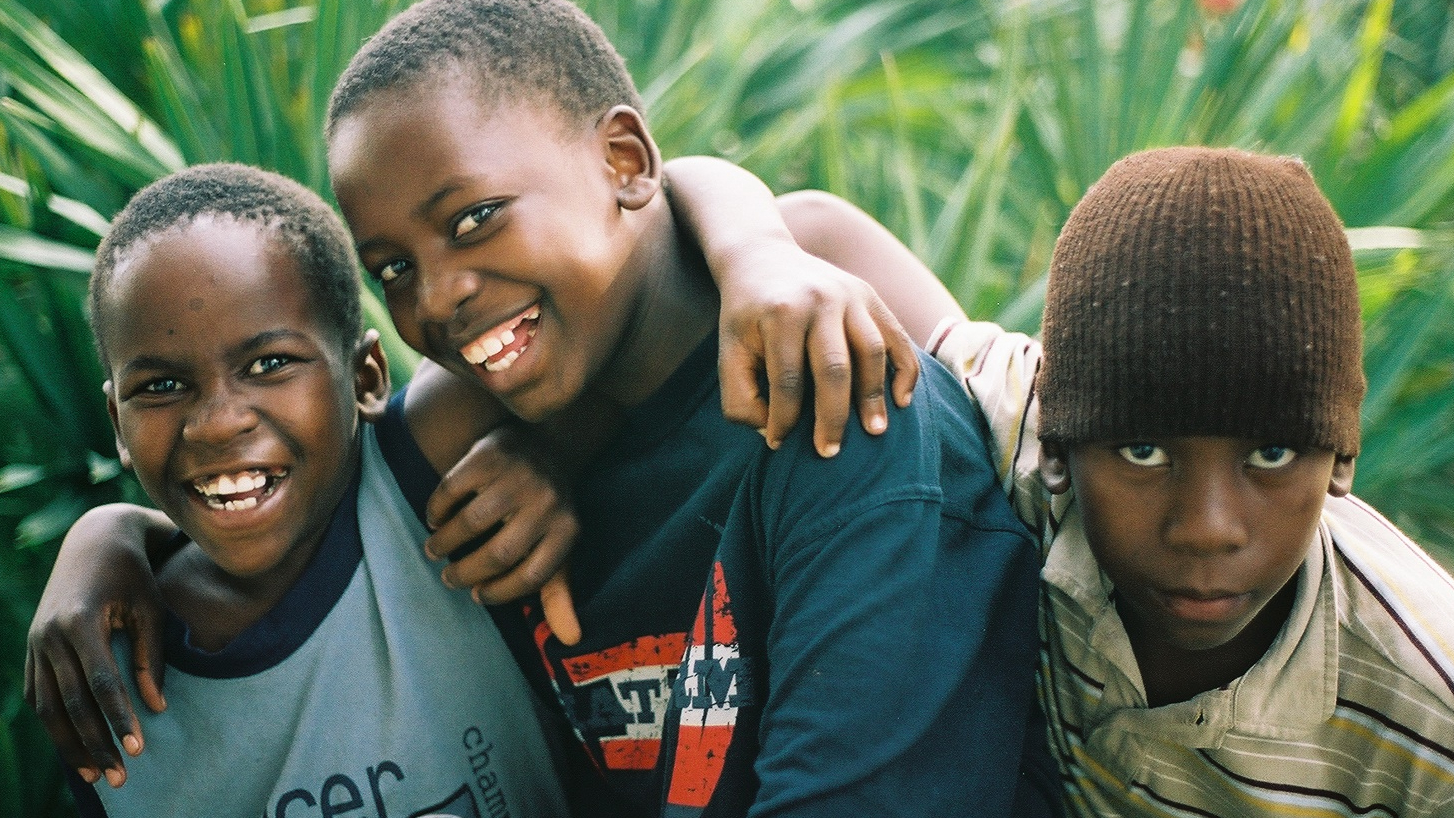
Refugee children
Nearly half of all refugees are children, and almost one in three children living outside their country of birth is a refugee. These numbers encompass children whose refugee status has been formally confirmed, as well as children in refugee-like situations.
In addition to facing the direct threat of violence resulting from conflict, forcibly displaced children also face various health risks, including: disease outbreaks and long-term psychological trauma, inadequate access to water and sanitation, nutritious food, health care [6] and regular vaccination schedules. Refugee children, particularly those without documentation and those who travel alone, are also vulnerable to abuse and exploitation. Although many communities around the world have welcomed them, forcibly displaced children and their families often face discrimination, poverty, and social marginalization in their home, transit, and destination countries. Language barriers and legal barriers in transit and destination countries often bar refugee children and their families from accessing education, healthcare, social protection, and other services. Many countries of destination also lack intercultural supports and policies for social integration. Such threats to safety and well-being are amplified for refugee children with disabilities. Studies done by the U.N. High Commissioner for Refugees show that only half of all refugee children that are elementary school-aged are able to access schooling. Similarly, amongst secondary school-aged children, only 22 percent of children can access schooling. Unfortunately, this culminates in a rate of access to higher education of only one percent amongst all refugees. Additionally, North American schools often do not have the resources needed to support refugee children. [103] Refugee children often have to handle discrimination, low socioeconomic status, have no family, or come to a setting that clashes with their cultural beliefs leading to behavioral issues teachers are not always prepared for. [117] Extracurricular resources provided to refugee children include supplementary curriculum enrichment resources, videos for the goal or increasing parent and school awareness, informational leaflets and handbooks, as well as ICT based resources, which serve to benefit refugee involvement in the school.
The Convention on the Rights of the Child, the most widely ratified human rights treaty in history, includes four articles that are particularly relevant to children involved in or affected by forced displacement:
States Parties to the Convention are obliged to uphold the above articles, regardless of a child's migration status. As of November 2005, a total of 192 countries have become States Parties to the Convention. Somalia and the United States are the only two countries that have not ratified it.
The United Nations 1951 Convention on the Status of Refugees is a comprehensive and rigid legal code regarding the rights of refugees at an international level and it also defines under which conditions a person should be considered as a refugee and thus be given these rights. The Convention provides protection to forcibly displaced persons who have experienced persecution or torture in their home countries. For countries that have ratified it, the Convention often serves as the primary basis for refugee status determination, but some countries also utilize other refugee definitions, thus, have granted refugee status not based exclusively on persecution. For instance, the African Union has agreed on a definition at the 1969 Refugee Convention, that also accommodates people affected by external aggression, occupation, foreign domination, and events seriously disturbing public order. South Africa has granted refugee status to Mozambicans and Zimbabweans following the collapse of their home countries' economies.
Other international legal tools for the protection refugee children include two of the Protocols supplementing the United Nations Convention against Transnational Organized Crime which reference child migration:
Additionally the International Convention on the Protection of the Rights of All Migrant Workers and Members of Their Families covers the rights of the children of migrant workers in both regular and irregular situations during the entire migration process.
Refugee experiences can be categorized into three stages of migration: home country experiences (pre-migration), transit experiences (transmigration), and host country experiences (post-migration). However, the large majority of refugees do not travel into new host countries, but remain in the transmigration stage, living in refugee camps or urban centres waiting to be able to return home.
Refugee children
Nearly half of all refugees are children, and almost one in three children living outside their country of birth is a refugee. These numbers encompass children whose refugee status has been formally confirmed, as well as children in refugee-like situations.
In addition to facing the direct threat of violence resulting from conflict, forcibly displaced children also face various health risks, including: disease outbreaks and long-term psychological trauma, inadequate access to water and sanitation, nutritious food, health care [6] and regular vaccination schedules. Refugee children, particularly those without documentation and those who travel alone, are also vulnerable to abuse and exploitation. Although many communities around the world have welcomed them, forcibly displaced children and their families often face discrimination, poverty, and social marginalization in their home, transit, and destination countries. Language barriers and legal barriers in transit and destination countries often bar refugee children and their families from accessing education, healthcare, social protection, and other services. Many countries of destination also lack intercultural supports and policies for social integration. Such threats to safety and well-being are amplified for refugee children with disabilities. Studies done by the U.N. High Commissioner for Refugees show that only half of all refugee children that are elementary school-aged are able to access schooling. Similarly, amongst secondary school-aged children, only 22 percent of children can access schooling. Unfortunately, this culminates in a rate of access to higher education of only one percent amongst all refugees. Additionally, North American schools often do not have the resources needed to support refugee children. [103] Refugee children often have to handle discrimination, low socioeconomic status, have no family, or come to a setting that clashes with their cultural beliefs leading to behavioral issues teachers are not always prepared for. [117] Extracurricular resources provided to refugee children include supplementary curriculum enrichment resources, videos for the goal or increasing parent and school awareness, informational leaflets and handbooks, as well as ICT based resources, which serve to benefit refugee involvement in the school.
The Convention on the Rights of the Child, the most widely ratified human rights treaty in history, includes four articles that are particularly relevant to children involved in or affected by forced displacement:
States Parties to the Convention are obliged to uphold the above articles, regardless of a child's migration status. As of November 2005, a total of 192 countries have become States Parties to the Convention. Somalia and the United States are the only two countries that have not ratified it.
The United Nations 1951 Convention on the Status of Refugees is a comprehensive and rigid legal code regarding the rights of refugees at an international level and it also defines under which conditions a person should be considered as a refugee and thus be given these rights. The Convention provides protection to forcibly displaced persons who have experienced persecution or torture in their home countries. For countries that have ratified it, the Convention often serves as the primary basis for refugee status determination, but some countries also utilize other refugee definitions, thus, have granted refugee status not based exclusively on persecution. For instance, the African Union has agreed on a definition at the 1969 Refugee Convention, that also accommodates people affected by external aggression, occupation, foreign domination, and events seriously disturbing public order. South Africa has granted refugee status to Mozambicans and Zimbabweans following the collapse of their home countries' economies.
Other international legal tools for the protection refugee children include two of the Protocols supplementing the United Nations Convention against Transnational Organized Crime which reference child migration:
Additionally the International Convention on the Protection of the Rights of All Migrant Workers and Members of Their Families covers the rights of the children of migrant workers in both regular and irregular situations during the entire migration process.
Refugee experiences can be categorized into three stages of migration: home country experiences (pre-migration), transit experiences (transmigration), and host country experiences (post-migration). However, the large majority of refugees do not travel into new host countries, but remain in the transmigration stage, living in refugee camps or urban centres waiting to be able to return home.
Recent media
Recent media