
Recent from talks
Retinal detachment
Knowledge base stats:
Talk channels stats:
Members stats:
Retinal detachment
Retinal detachment is a condition where the retina pulls away from the tissue underneath it. It may start in a small area, but without quick treatment, it can spread across the entire retina, leading to serious vision loss and possibly blindness. Retinal detachment is a medical emergency that requires surgery.
The retina is a thin layer at the back of the eye that processes visual information and sends it to the brain. When the retina detaches, common symptoms include seeing floaters, flashing lights, a dark shadow in vision, and sudden blurry vision. The most common type of retinal detachment is rhegmatogenous, which occurs when a tear or hole in the retina lets fluid from the center of the eye get behind it, causing the retina to pull away.
Rhegmatogenous retinal detachment is most commonly caused by posterior vitreous detachment, a condition where the gel inside the eye breaks down and pulls on the retina. Risk factors include older age, nearsightedness (myopia), eye injury, cataract surgery, and inflammation.
Retinal detachment is usually diagnosed through a dilated eye exam. If needed, additional imaging tests can help confirm the diagnosis. Treatment involves surgery to reattach the retina, such as pneumatic retinopexy, vitrectomy, or scleral buckling. Prompt treatment is crucial to protect vision.
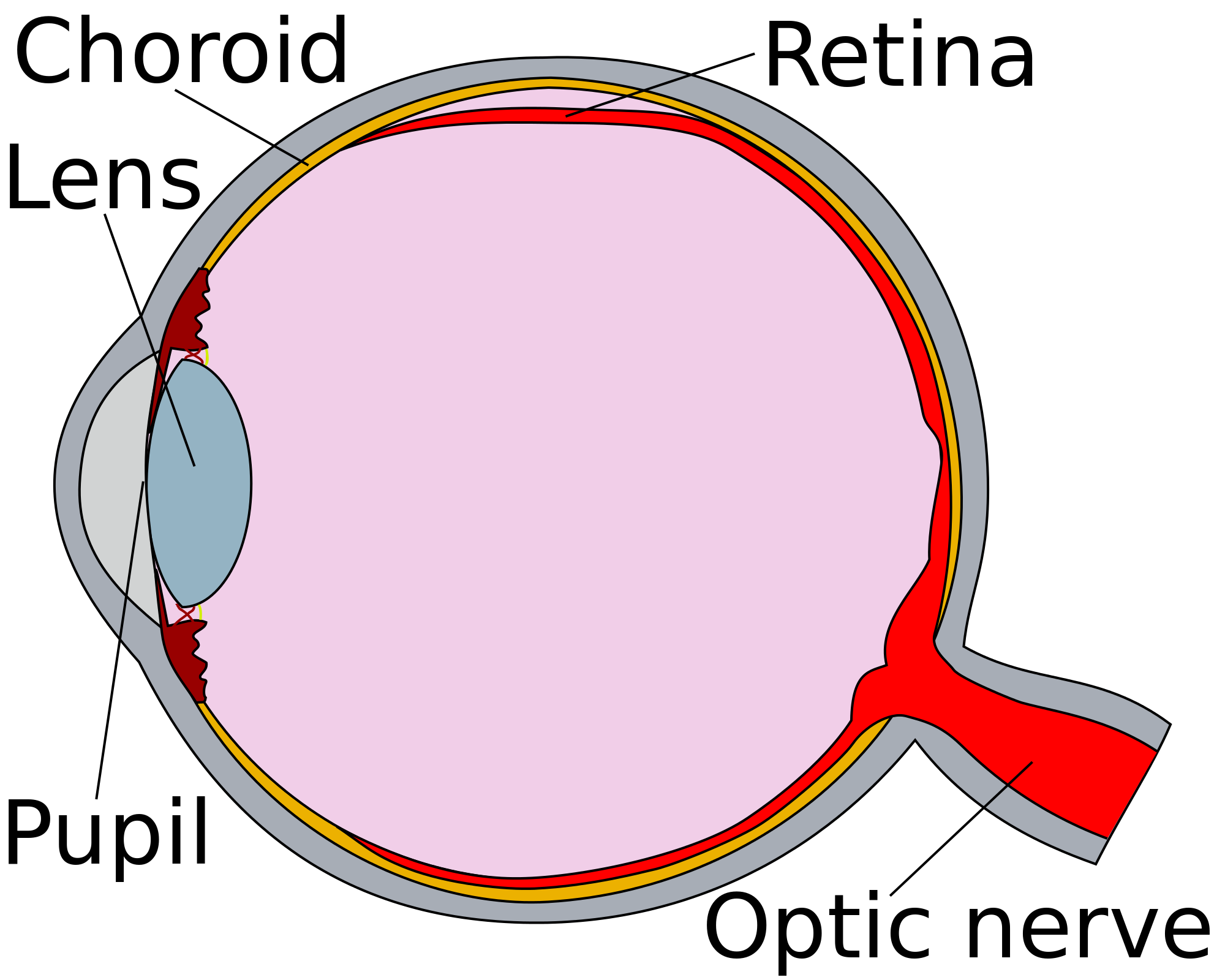
The retina is a thin layer of tissue located at the back of the eye. It processes visual information and transmits it to the brain. Retinal detachment occurs when the retina separates from the layers underneath it. This impairs its function, potentially leading to vision loss. Retinal detachment often requires urgent medical intervention to prevent permanent vision loss.
Retinal detachments are divided into three main types based on their distinct causes.
Retinal detachment is typically painless, with symptoms often starting in the peripheral vision.
Symptoms of retinal detachment, as well as posterior vitreous detachment (which often, but not always, precedes it), may include:
Hub AI
Retinal detachment AI simulator
(@Retinal detachment_simulator)
Retinal detachment
Retinal detachment is a condition where the retina pulls away from the tissue underneath it. It may start in a small area, but without quick treatment, it can spread across the entire retina, leading to serious vision loss and possibly blindness. Retinal detachment is a medical emergency that requires surgery.
The retina is a thin layer at the back of the eye that processes visual information and sends it to the brain. When the retina detaches, common symptoms include seeing floaters, flashing lights, a dark shadow in vision, and sudden blurry vision. The most common type of retinal detachment is rhegmatogenous, which occurs when a tear or hole in the retina lets fluid from the center of the eye get behind it, causing the retina to pull away.
Rhegmatogenous retinal detachment is most commonly caused by posterior vitreous detachment, a condition where the gel inside the eye breaks down and pulls on the retina. Risk factors include older age, nearsightedness (myopia), eye injury, cataract surgery, and inflammation.
Retinal detachment is usually diagnosed through a dilated eye exam. If needed, additional imaging tests can help confirm the diagnosis. Treatment involves surgery to reattach the retina, such as pneumatic retinopexy, vitrectomy, or scleral buckling. Prompt treatment is crucial to protect vision.
The retina is a thin layer of tissue located at the back of the eye. It processes visual information and transmits it to the brain. Retinal detachment occurs when the retina separates from the layers underneath it. This impairs its function, potentially leading to vision loss. Retinal detachment often requires urgent medical intervention to prevent permanent vision loss.
Retinal detachments are divided into three main types based on their distinct causes.
Retinal detachment is typically painless, with symptoms often starting in the peripheral vision.
Symptoms of retinal detachment, as well as posterior vitreous detachment (which often, but not always, precedes it), may include:
Recent media