


Community hub
Recent from talks
Contribute something to knowledge base
Content stats: 0 posts, 0 articles, 1 media, 0 notes
Members stats: 0 subscribers, 0 contributors, 0 moderators, 0 supporters
Subscribers
Supporters
Contributors
Moderators
Hub AI
Roy DeMeo AI simulator
(@Roy DeMeo_simulator)
Hub AI
Roy DeMeo AI simulator
(@Roy DeMeo_simulator)
Roy DeMeo
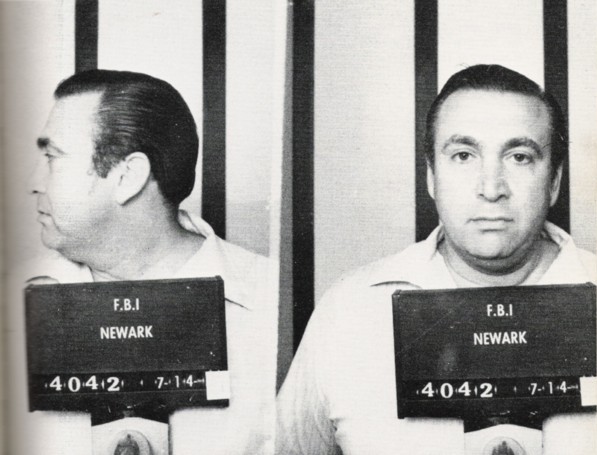
Roy Albert DeMeo (/dəˈmeɪoʊ/; September 7, 1940 – January 10, 1983) was an American mobster in the Gambino crime family in New York City. He headed a group known as the "DeMeo crew", which consisted of approximately twenty associates involved in murder, car theft, drug dealing, prostitution and pornography. The DeMeo crew became notorious for the large number of murders they committed and for the grisly way they disposed of the bodies, which became known as "the Gemini Method". The crew is believed to be responsible for up to 200 murders, many of which were committed by DeMeo himself.
DeMeo was born on September 7, 1940, in the Flatlands neighborhood of Brooklyn in New York City into a working-class Italian immigrant family originating from Formia in the region of Lazio. The fourth of five children of Antonio Joseph "Anthony" DeMeo, a laundry company deliveryman, and Eleanor DeMeo (née Colarullo), a housewife, Roy graduated from James Madison High School in 1959, during which time he began earning money as a loanshark. Economist Walter Block and future presidential candidate Bernie Sanders were among DeMeo's graduating year classmates.
Between the ages of 15 and 22, DeMeo worked at a local grocery store, where he trained as an apprentice butcher. His older brother Anthony Frank "Chubby" DeMeo, a United States Marine Corps corporal, was killed in action during the Korean War on April 23, 1951, aged 20. DeMeo's father died of a heart attack on December 12, 1960, and his mother subsequently returned to Italy with Roy's youngest brother to live with relatives near Naples.
DeMeo was initially an associate of the Brooklyn faction of the Lucchese crime family, which controlled towing companies, junkyards and car theft operations in Flatlands and Canarsie. Anthony "Nino" Gaggi, a soldier in the Gambino crime family, noticed DeMeo in 1966 and told him that he could make even more money with his successful business if he shifted his allegiance to the Gambinos. Through the late 1960s, DeMeo's organized crime prospects increased on two fronts: he continued in the loansharking business with Gaggi and began developing a crew of young men involved in car theft. It was this collective of criminals that became known both in the underworld and in law enforcement circles as the "DeMeo crew".
The first member of the DeMeo crew was 16-year-old Harvey "Chris" Rosenberg, who met DeMeo in 1966 when he was dealing marijuana at a Canarsie gas station. DeMeo helped Rosenberg increase his business and profits by loaning him money so that he could deal in larger amounts. By 1972, Rosenberg had introduced his friends to DeMeo and they began working for him as well. The additional members of the crew came to include Joseph and Patrick Testa, Anthony Senter, Richard and Frederick DiNome, Henry Borelli, Joseph "Dracula" Guglielmo (DeMeo's cousin), and later, Vito Arena and Carlo Profeta.
DeMeo joined a Brooklyn credit union in 1972, gaining a position on the board of directors shortly afterward. He utilized his position to launder money earned through his illegal ventures. He also introduced colleagues at the credit union to a lucrative side-business, laundering the money of drug dealers he had become acquainted with. DeMeo also built up his loansharking business with funds stolen from credit union reserves.
DeMeo's collection of loanshark customers, while still primarily those in the car industry, soon included other businesses such as a dentist's office, an abortion clinic, restaurants and flea markets. He was also listed as an employee for a Brooklyn company named S & C Sportswear Corporation, and frequently told his neighbors he worked in construction, food retailing and the used car business. Bonanno family underboss Salvatore Vitale claimed to the FBI that in 1974 he was ordered to deliver the corpse of a man who had just been murdered to a garage in Queens so that it could be disposed of by DeMeo.
In late 1974, a conflict escalated between the DeMeo crew and Andrei Katz, a young auto repair shop owner who was partners with DeMeo in a stolen car ring. In January 1975, Katz visited the Brooklyn District Attorney's Office and voluntarily provided them information that Rosenberg was heavily involved in car theft. DeMeo learned about the meeting immediately afterward from an NYPD auto crimes detective on his payroll. DeMeo ordered Borelli to contact a female acquaintance, Babette Judith Questel, about being used as bait. In May 1975, Katz appeared before a Brooklyn grand jury and divulged what he knew about the DeMeo crew's illegal activities.
Roy DeMeo
Roy Albert DeMeo (/dəˈmeɪoʊ/; September 7, 1940 – January 10, 1983) was an American mobster in the Gambino crime family in New York City. He headed a group known as the "DeMeo crew", which consisted of approximately twenty associates involved in murder, car theft, drug dealing, prostitution and pornography. The DeMeo crew became notorious for the large number of murders they committed and for the grisly way they disposed of the bodies, which became known as "the Gemini Method". The crew is believed to be responsible for up to 200 murders, many of which were committed by DeMeo himself.
DeMeo was born on September 7, 1940, in the Flatlands neighborhood of Brooklyn in New York City into a working-class Italian immigrant family originating from Formia in the region of Lazio. The fourth of five children of Antonio Joseph "Anthony" DeMeo, a laundry company deliveryman, and Eleanor DeMeo (née Colarullo), a housewife, Roy graduated from James Madison High School in 1959, during which time he began earning money as a loanshark. Economist Walter Block and future presidential candidate Bernie Sanders were among DeMeo's graduating year classmates.
Between the ages of 15 and 22, DeMeo worked at a local grocery store, where he trained as an apprentice butcher. His older brother Anthony Frank "Chubby" DeMeo, a United States Marine Corps corporal, was killed in action during the Korean War on April 23, 1951, aged 20. DeMeo's father died of a heart attack on December 12, 1960, and his mother subsequently returned to Italy with Roy's youngest brother to live with relatives near Naples.
DeMeo was initially an associate of the Brooklyn faction of the Lucchese crime family, which controlled towing companies, junkyards and car theft operations in Flatlands and Canarsie. Anthony "Nino" Gaggi, a soldier in the Gambino crime family, noticed DeMeo in 1966 and told him that he could make even more money with his successful business if he shifted his allegiance to the Gambinos. Through the late 1960s, DeMeo's organized crime prospects increased on two fronts: he continued in the loansharking business with Gaggi and began developing a crew of young men involved in car theft. It was this collective of criminals that became known both in the underworld and in law enforcement circles as the "DeMeo crew".
The first member of the DeMeo crew was 16-year-old Harvey "Chris" Rosenberg, who met DeMeo in 1966 when he was dealing marijuana at a Canarsie gas station. DeMeo helped Rosenberg increase his business and profits by loaning him money so that he could deal in larger amounts. By 1972, Rosenberg had introduced his friends to DeMeo and they began working for him as well. The additional members of the crew came to include Joseph and Patrick Testa, Anthony Senter, Richard and Frederick DiNome, Henry Borelli, Joseph "Dracula" Guglielmo (DeMeo's cousin), and later, Vito Arena and Carlo Profeta.
DeMeo joined a Brooklyn credit union in 1972, gaining a position on the board of directors shortly afterward. He utilized his position to launder money earned through his illegal ventures. He also introduced colleagues at the credit union to a lucrative side-business, laundering the money of drug dealers he had become acquainted with. DeMeo also built up his loansharking business with funds stolen from credit union reserves.
DeMeo's collection of loanshark customers, while still primarily those in the car industry, soon included other businesses such as a dentist's office, an abortion clinic, restaurants and flea markets. He was also listed as an employee for a Brooklyn company named S & C Sportswear Corporation, and frequently told his neighbors he worked in construction, food retailing and the used car business. Bonanno family underboss Salvatore Vitale claimed to the FBI that in 1974 he was ordered to deliver the corpse of a man who had just been murdered to a garage in Queens so that it could be disposed of by DeMeo.
In late 1974, a conflict escalated between the DeMeo crew and Andrei Katz, a young auto repair shop owner who was partners with DeMeo in a stolen car ring. In January 1975, Katz visited the Brooklyn District Attorney's Office and voluntarily provided them information that Rosenberg was heavily involved in car theft. DeMeo learned about the meeting immediately afterward from an NYPD auto crimes detective on his payroll. DeMeo ordered Borelli to contact a female acquaintance, Babette Judith Questel, about being used as bait. In May 1975, Katz appeared before a Brooklyn grand jury and divulged what he knew about the DeMeo crew's illegal activities.
Recent media
Recent media