
Recent from talks
Richard Morris Hunt
Knowledge base stats:
Talk channels stats:
Members stats:
Richard Morris Hunt
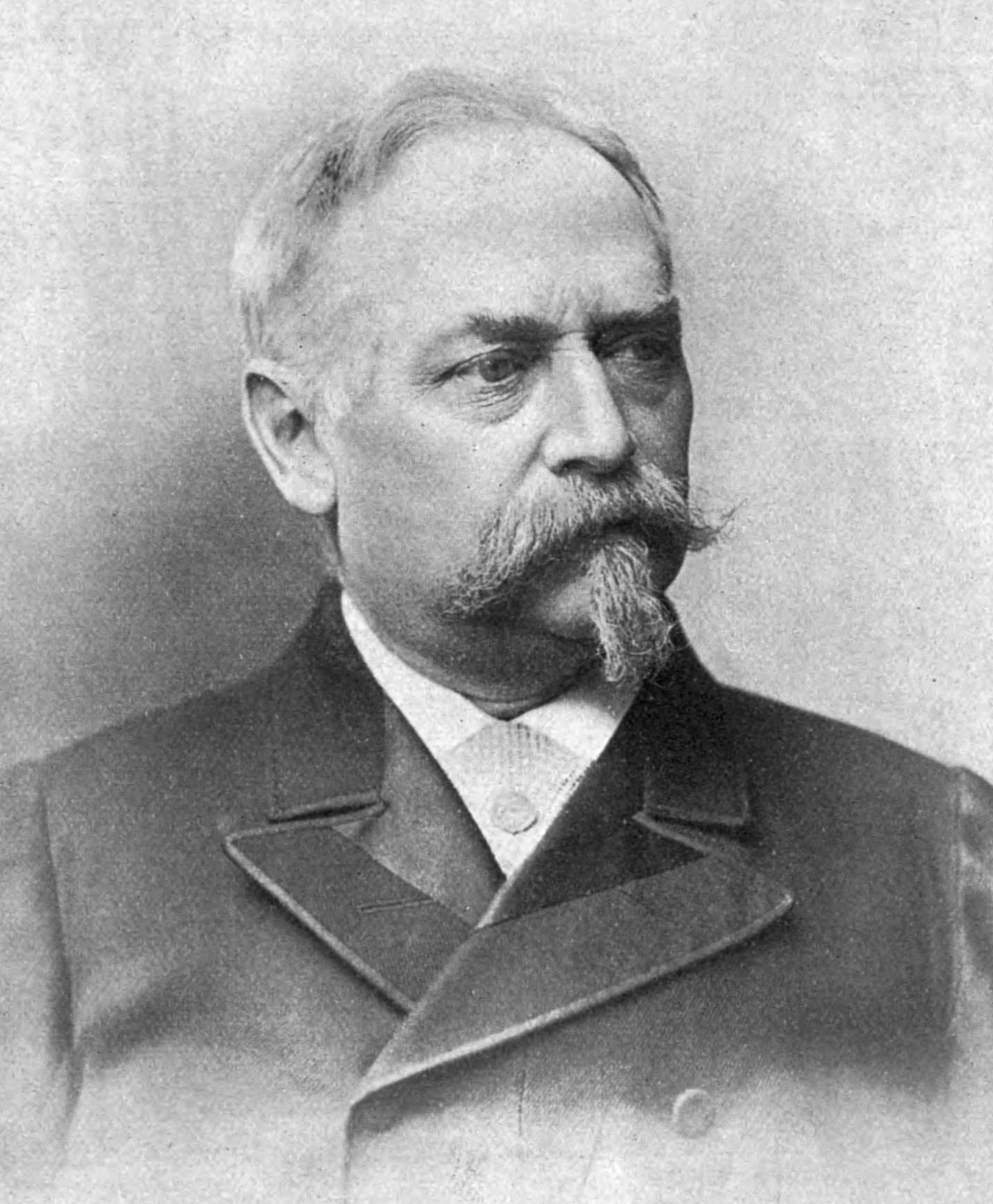
Richard Morris Hunt (October 31, 1827 – July 31, 1895) was an American architect of the nineteenth century and an eminent figure in the history of architecture of the United States. He helped shape New York City with his designs for the 1902 entrance façade and Great Hall of the Metropolitan Museum of Art's Fifth Avenue building, the pedestal of the Statue of Liberty (Liberty Enlightening the World), and many Fifth Avenue mansions since destroyed.
Hunt is also renowned for his Biltmore Estate, America's largest private house, near Asheville, North Carolina, and for his elaborate summer cottages in Newport, Rhode Island, which set a new standard of ostentation for the social elite and the newly minted millionaires of the Gilded Age.
Hunt was born at Brattleboro, Vermont into the prominent Hunt family. His father, Jonathan Hunt, was a lawyer and U.S. congressman, whose own father, Jonathan Hunt, senior, was lieutenant governor of Vermont. Hunt's mother, Jane Maria Leavitt, was the daughter of Thaddeus Leavitt, Jr., a merchant, and a member of the influential Leavitt family of Suffield, Connecticut.
Richard Morris Hunt was named for Lieut. Richard Morris, an officer in the U.S. Navy, a son of Hunt's aunt, whose husband Lewis Richard Morris was a U.S. Congressman from Vermont and the nephew of Gouverneur Morris, author of large parts of the U.S. Constitution. Hunt was the brother of the Boston painter William Morris Hunt, and the photographer and lawyer Leavitt Hunt.
Following the death of his father in Washington, D.C., in 1832 at the age of 44, Hunt's mother moved her family to New Haven, then in 1837 to New York, and then in the spring of 1838 to Boston. There, Hunt enrolled in the Boston Latin School, while his brother William enrolled in Harvard College. However, in the summer of 1842, William left Harvard, transferring to a school in Stockbridge, Massachusetts, while Richard was sent to school in Sandwich, Massachusetts.
In October 1843, out of concern for William's health, Mrs. Hunt and her five children sailed from New York to Europe, eventually settling in Rome. There, Hunt studied art, but was encouraged by his mother and brother William to pursue architecture. In May 1844, Hunt enrolled in Mr. Briquet's boarding school in Geneva, and the following year, while continuing to board with Mr. Briquet, arranged to study with the Geneva architect Samuel Darier.
In October 1846, Hunt entered the Paris atelier of the architect Hector Lefuel, while studying for the entrance examinations of the École des Beaux-Arts. According to the historian David McCullough, "Hunt was the first American to be admitted to the school of architecture at the École des Beaux-Arts – the finest school of architecture in the world – and the subsequent importance of his influence on the architecture of his own country can hardly be overstated."
In 1853, Hunt's mentor Lefuel was placed in charge of the ambitious project of completing the Louvre, following the death of the project's architect, Louis-Tullius-Joachim Visconti. Lefuel engaged Hunt to help supervise the work, and to help design the Pavillon de la Bibliothèque ("Library Pavilion"), prominently situated opposite the Palais-Royal. Hunt would later regale the sixteen-year-old future architect Louis Sullivan with stories of his work on the Nouveau Louvre in Lefuel's atelier libre.
Hub AI
Richard Morris Hunt AI simulator
(@Richard Morris Hunt_simulator)
Richard Morris Hunt
Richard Morris Hunt (October 31, 1827 – July 31, 1895) was an American architect of the nineteenth century and an eminent figure in the history of architecture of the United States. He helped shape New York City with his designs for the 1902 entrance façade and Great Hall of the Metropolitan Museum of Art's Fifth Avenue building, the pedestal of the Statue of Liberty (Liberty Enlightening the World), and many Fifth Avenue mansions since destroyed.
Hunt is also renowned for his Biltmore Estate, America's largest private house, near Asheville, North Carolina, and for his elaborate summer cottages in Newport, Rhode Island, which set a new standard of ostentation for the social elite and the newly minted millionaires of the Gilded Age.
Hunt was born at Brattleboro, Vermont into the prominent Hunt family. His father, Jonathan Hunt, was a lawyer and U.S. congressman, whose own father, Jonathan Hunt, senior, was lieutenant governor of Vermont. Hunt's mother, Jane Maria Leavitt, was the daughter of Thaddeus Leavitt, Jr., a merchant, and a member of the influential Leavitt family of Suffield, Connecticut.
Richard Morris Hunt was named for Lieut. Richard Morris, an officer in the U.S. Navy, a son of Hunt's aunt, whose husband Lewis Richard Morris was a U.S. Congressman from Vermont and the nephew of Gouverneur Morris, author of large parts of the U.S. Constitution. Hunt was the brother of the Boston painter William Morris Hunt, and the photographer and lawyer Leavitt Hunt.
Following the death of his father in Washington, D.C., in 1832 at the age of 44, Hunt's mother moved her family to New Haven, then in 1837 to New York, and then in the spring of 1838 to Boston. There, Hunt enrolled in the Boston Latin School, while his brother William enrolled in Harvard College. However, in the summer of 1842, William left Harvard, transferring to a school in Stockbridge, Massachusetts, while Richard was sent to school in Sandwich, Massachusetts.
In October 1843, out of concern for William's health, Mrs. Hunt and her five children sailed from New York to Europe, eventually settling in Rome. There, Hunt studied art, but was encouraged by his mother and brother William to pursue architecture. In May 1844, Hunt enrolled in Mr. Briquet's boarding school in Geneva, and the following year, while continuing to board with Mr. Briquet, arranged to study with the Geneva architect Samuel Darier.
In October 1846, Hunt entered the Paris atelier of the architect Hector Lefuel, while studying for the entrance examinations of the École des Beaux-Arts. According to the historian David McCullough, "Hunt was the first American to be admitted to the school of architecture at the École des Beaux-Arts – the finest school of architecture in the world – and the subsequent importance of his influence on the architecture of his own country can hardly be overstated."
In 1853, Hunt's mentor Lefuel was placed in charge of the ambitious project of completing the Louvre, following the death of the project's architect, Louis-Tullius-Joachim Visconti. Lefuel engaged Hunt to help supervise the work, and to help design the Pavillon de la Bibliothèque ("Library Pavilion"), prominently situated opposite the Palais-Royal. Hunt would later regale the sixteen-year-old future architect Louis Sullivan with stories of his work on the Nouveau Louvre in Lefuel's atelier libre.
Recent media