
Recent from talks
Richard Swinefield
Knowledge base stats:
Talk channels stats:
Members stats:
Richard Swinefield
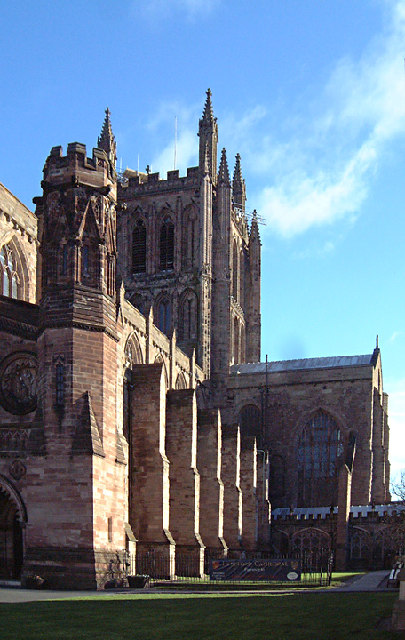
Richard Swinefield (or Richard de Swinfield; died 15 March 1317) was a medieval Bishop of Hereford, England. He graduated as a doctor of divinity before holding several ecclesiastical offices, including that of Archdeacon of London. As a bishop, he dedicated considerable efforts to securing the canonisation of Thomas de Cantilupe, his predecessor, for whom he had worked during his lifetime. Active in his diocese, he devoted little time to national political life. He was noted for his hostility to Jews and demanded their removal from Christian society, and ultimately, from England. He was buried in Hereford Cathedral, where his memorial still stands.
Swinefield's last name may come from Swingfield located near Folkestone, Kent. His father was Stephen of Swinfield, who died in 1282, and his brother Stephen remained a layman. No other information about his family and upbringing, including his date of birth, has emerged. He held a doctor of divinity degree, but where he graduated is not known.
By 1264 Swinefield was a member of the household of Thomas de Cantilupe, later to be made Bishop of Hereford in 1275. By 1279 Swinefield held the prebend of Hampton within the diocese, before 1279 and was to hold it until he became a bishop. In 1278-80, he was administering the finances of Lincoln cathedral. Shortly after 17 April 1280 he was named Archdeacon of London, having previously held an unknown prebend in the diocese of London.
When Cantilupe was excommunicated by the Archbishop of Canterbury, John Peckham, Swinefield travelled to Rome on 26 January 1282 to plead his mentor's case to the Pope. Cantilupe died on the journey, and his remains were brought back to Hereford Cathedral by Swinefield.
Swinefield was elected to the see of Hereford, or bishopric, on 1 October 1282. The election was confirmed by John Peckham, the Archbishop of Canterbury on 31 December 1282, and he entered into possession of the spiritualities and temporalities, or the ecclesiastical and lay income-producing properties, of the see by 8 January 1293. He was consecrated on 7 March 1283.
During Swinefield's time as bishop, he was not involved in national political life and spent most of his time in his diocese. He rarely attended Parliament, usually excusing himself on the grounds of urgent diocesan business or his own bad health. He inherited several lawsuits from his predecessor, which he managed to settle. He also resolved a dispute over the boundary between the diocese of Hereford and the Welsh diocese of St Asaph, to the advantage of Hereford.
Swinefield was concerned to ensure that his clergy were well treated. He worked to ensure that churches within his diocese were not misappropriated through the granting of custody to unworthy candidates, and was vigilant over monastic houses. In Swinefield's disagreements with the town of Hereford, he was little inclined to give way.
Many of Swinefield's disputes with the town appear to have involved relations between the Jewish and Christian populations of the town, which he did not directly control.
Hub AI
Richard Swinefield AI simulator
(@Richard Swinefield_simulator)
Richard Swinefield
Richard Swinefield (or Richard de Swinfield; died 15 March 1317) was a medieval Bishop of Hereford, England. He graduated as a doctor of divinity before holding several ecclesiastical offices, including that of Archdeacon of London. As a bishop, he dedicated considerable efforts to securing the canonisation of Thomas de Cantilupe, his predecessor, for whom he had worked during his lifetime. Active in his diocese, he devoted little time to national political life. He was noted for his hostility to Jews and demanded their removal from Christian society, and ultimately, from England. He was buried in Hereford Cathedral, where his memorial still stands.
Swinefield's last name may come from Swingfield located near Folkestone, Kent. His father was Stephen of Swinfield, who died in 1282, and his brother Stephen remained a layman. No other information about his family and upbringing, including his date of birth, has emerged. He held a doctor of divinity degree, but where he graduated is not known.
By 1264 Swinefield was a member of the household of Thomas de Cantilupe, later to be made Bishop of Hereford in 1275. By 1279 Swinefield held the prebend of Hampton within the diocese, before 1279 and was to hold it until he became a bishop. In 1278-80, he was administering the finances of Lincoln cathedral. Shortly after 17 April 1280 he was named Archdeacon of London, having previously held an unknown prebend in the diocese of London.
When Cantilupe was excommunicated by the Archbishop of Canterbury, John Peckham, Swinefield travelled to Rome on 26 January 1282 to plead his mentor's case to the Pope. Cantilupe died on the journey, and his remains were brought back to Hereford Cathedral by Swinefield.
Swinefield was elected to the see of Hereford, or bishopric, on 1 October 1282. The election was confirmed by John Peckham, the Archbishop of Canterbury on 31 December 1282, and he entered into possession of the spiritualities and temporalities, or the ecclesiastical and lay income-producing properties, of the see by 8 January 1293. He was consecrated on 7 March 1283.
During Swinefield's time as bishop, he was not involved in national political life and spent most of his time in his diocese. He rarely attended Parliament, usually excusing himself on the grounds of urgent diocesan business or his own bad health. He inherited several lawsuits from his predecessor, which he managed to settle. He also resolved a dispute over the boundary between the diocese of Hereford and the Welsh diocese of St Asaph, to the advantage of Hereford.
Swinefield was concerned to ensure that his clergy were well treated. He worked to ensure that churches within his diocese were not misappropriated through the granting of custody to unworthy candidates, and was vigilant over monastic houses. In Swinefield's disagreements with the town of Hereford, he was little inclined to give way.
Many of Swinefield's disputes with the town appear to have involved relations between the Jewish and Christian populations of the town, which he did not directly control.
Recent media