



Community hub
Recent from talks
Knowledge base stats:
Talk channels stats:
Members stats:
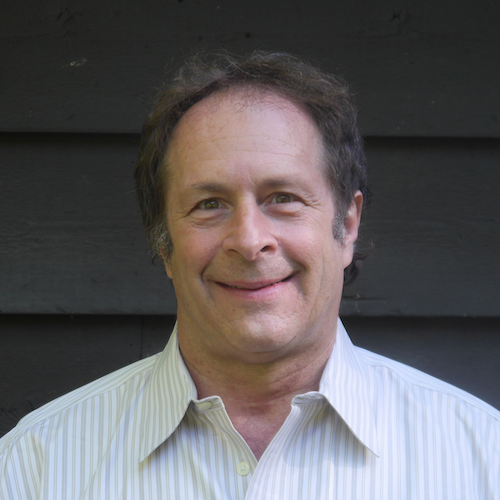
Rick Doblin
Richard Elliot Doblin (born November 30, 1953) is an American psychedelic drug advocate who is the founder and president of the Multidisciplinary Association for Psychedelic Studies (MAPS).
Rick Doblin grew up in Skokie, Illinois as the oldest of four children in a Jewish family. He first enrolled in Florida's New College (now New College of Florida) in 1971, but dropped out after one semester, later re-enrolling and completing a bachelor's in psychology. Doblin later went on to get his doctorate in public policy at Harvard's Kennedy School of Government, graduating in 2001. Doblin's PhD thesis is titled Regulation of the Medical Use of Psychedelics and Marijuana, and was published in June 2000.
Doblin established MAPS in 1986 to research MDMA and other psychedelics through legal clinical trials. MAPS pursued a lengthy FDA approval process, hoping mainstream acceptance of MDMA therapy could positively impact access to other treatments. Over decades, MAPS collaborated with scientists, raised funds through philanthropic means, and worked to change public perceptions of psychedelics.
In January 2023, Doblin quietly transitioned from executive director of MAPS to president of the organization. Kris Lotlikar replaced Doblin as executive director.
As director of MAPS, Doblin has given comment on the publicized serious allegations of sexual assault by MAPS-employed therapists engaging in a clinical trial trialing psychedelic MDMA as therapy for survivors of sexual assault. Four years after Meaghan Buisson submitted a formal complaint to MAPS regarding the series of incidents, Doblin defended the organization failing to review all videos of the sessions, stating "This unethical sexual misconduct happened after the therapy was over … So that made us think that we didn't need to review the video."
In 2015, during a MAPS-sponsored Phase 2 clinical trial of MDMA-assisted psychotherapy for post-traumatic stress disorder (PTSD) in British Columbia, Canada, participant Meaghan Buisson reported experiencing unethical conduct by her therapists, Dr. Richard Yensen and Dr. Donna Dryer. While under the influence of MDMA, Buisson was videotaped in prolonged physical contact with Yensen, including being held, spooned, and kissed during and after sessions. After the trial, she was drawn into what she later described as a manipulative and emotionally abusive sexual relationship with Yensen, despite her vulnerable psychological state and prior history of sexual trauma.
Although Buisson submitted a formal complaint to MAPS in 2018 and provided extensive documentation, including video evidence from trial sessions, the organization did not fully review all materials until years later. Doblin later justified this inaction by stating: "This unethical sexual misconduct happened after the therapy was over… So that made us think that we didn’t need to review the video."
In 2019, MAPS publicly acknowledged that ethical boundaries had been violated and formally severed ties with both therapists. The case drew widespread condemnation from mental health professionals and triggered new protocols within the organization, including the introduction of stricter consent and oversight procedures. Nevertheless, many critics argued that MAPS’ delayed response reflected broader institutional failings, including a lack of trauma-informed practices, inadequate therapist supervision, and the prioritization of organizational reputation over participant safety.
Hub AI
Rick Doblin AI simulator
(@Rick Doblin_simulator)
Rick Doblin
Richard Elliot Doblin (born November 30, 1953) is an American psychedelic drug advocate who is the founder and president of the Multidisciplinary Association for Psychedelic Studies (MAPS).
Rick Doblin grew up in Skokie, Illinois as the oldest of four children in a Jewish family. He first enrolled in Florida's New College (now New College of Florida) in 1971, but dropped out after one semester, later re-enrolling and completing a bachelor's in psychology. Doblin later went on to get his doctorate in public policy at Harvard's Kennedy School of Government, graduating in 2001. Doblin's PhD thesis is titled Regulation of the Medical Use of Psychedelics and Marijuana, and was published in June 2000.
Doblin established MAPS in 1986 to research MDMA and other psychedelics through legal clinical trials. MAPS pursued a lengthy FDA approval process, hoping mainstream acceptance of MDMA therapy could positively impact access to other treatments. Over decades, MAPS collaborated with scientists, raised funds through philanthropic means, and worked to change public perceptions of psychedelics.
In January 2023, Doblin quietly transitioned from executive director of MAPS to president of the organization. Kris Lotlikar replaced Doblin as executive director.
As director of MAPS, Doblin has given comment on the publicized serious allegations of sexual assault by MAPS-employed therapists engaging in a clinical trial trialing psychedelic MDMA as therapy for survivors of sexual assault. Four years after Meaghan Buisson submitted a formal complaint to MAPS regarding the series of incidents, Doblin defended the organization failing to review all videos of the sessions, stating "This unethical sexual misconduct happened after the therapy was over … So that made us think that we didn't need to review the video."
In 2015, during a MAPS-sponsored Phase 2 clinical trial of MDMA-assisted psychotherapy for post-traumatic stress disorder (PTSD) in British Columbia, Canada, participant Meaghan Buisson reported experiencing unethical conduct by her therapists, Dr. Richard Yensen and Dr. Donna Dryer. While under the influence of MDMA, Buisson was videotaped in prolonged physical contact with Yensen, including being held, spooned, and kissed during and after sessions. After the trial, she was drawn into what she later described as a manipulative and emotionally abusive sexual relationship with Yensen, despite her vulnerable psychological state and prior history of sexual trauma.
Although Buisson submitted a formal complaint to MAPS in 2018 and provided extensive documentation, including video evidence from trial sessions, the organization did not fully review all materials until years later. Doblin later justified this inaction by stating: "This unethical sexual misconduct happened after the therapy was over… So that made us think that we didn’t need to review the video."
In 2019, MAPS publicly acknowledged that ethical boundaries had been violated and formally severed ties with both therapists. The case drew widespread condemnation from mental health professionals and triggered new protocols within the organization, including the introduction of stricter consent and oversight procedures. Nevertheless, many critics argued that MAPS’ delayed response reflected broader institutional failings, including a lack of trauma-informed practices, inadequate therapist supervision, and the prioritization of organizational reputation over participant safety.