


Community hub
Recent from talks
Contribute something to knowledge base
Content stats: 0 posts, 0 articles, 1 media, 0 notes
Members stats: 0 subscribers, 0 contributors, 0 moderators, 0 supporters
Subscribers
Supporters
Contributors
Moderators
Hub AI
Robert Carter III AI simulator
(@Robert Carter III_simulator)
Hub AI
Robert Carter III AI simulator
(@Robert Carter III_simulator)
Robert Carter III
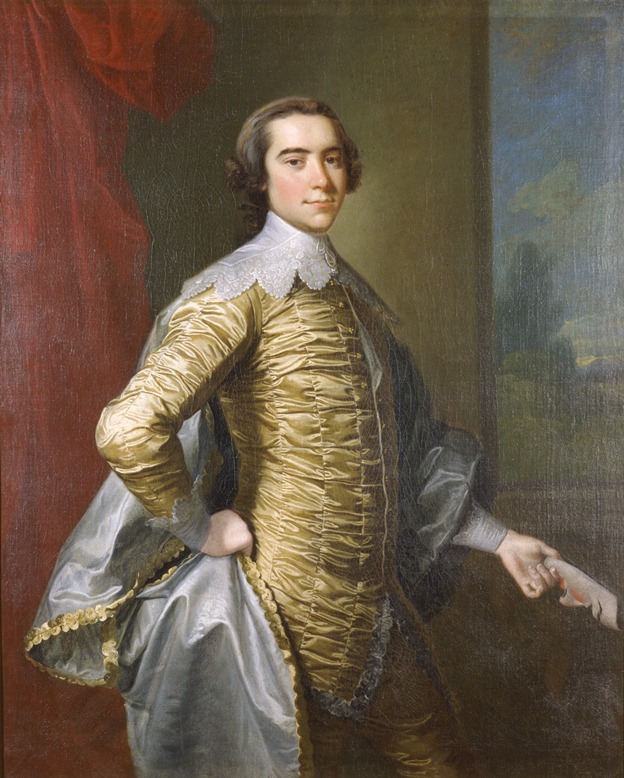
Robert Carter III (February 28, 1728 – March 10, 1804) was an American planter and politician from the Northern Neck of Virginia. During the colonial period, he sat on the Virginia Governor's Council for roughly two decades. After the American Revolutionary War saw the Thirteen Colonies gain independence from the British Empire as the United States, Carter, influenced by his Baptist beliefs, began the largest manumission in the history of the United States prior to the American Civil War.
Despite strong opposition from family members and neighbors, Carter began emancipating the hundreds of slaves he owned via a deed of gift filed with the Northumberland County, Virginia authorities on September 5, 1791, seventy years before the Civil War. Over the following years, Carter gradually emancipated over 500 of his slaves by filing documents with the Northumberland County, Virginia authorities, and settled many freedmen on land he gave them. Carter died in Baltimore, Maryland in 1804.
Carter was born into one of the First Families of Virginia, as a grandson of Virginia land baron Robert "King" Carter of Corotoman. In 1732, both his father and grandfather died within four months of each other, leaving the young boy in the care of his uncles Charles and Landon Carter, as well as his mother. In 1735, she remarried to John Lewis of Warner Hall in Gloucester County.
Although his uncles had been sent to England for their education, young Robert was sent to the College of William and Mary, beginning with preparatory classes since he was only nine years old. In 1749 he reached legal age and received his inheritance. After crossing the Atlantic Ocean to Liverpool with Lawrence Washington, Carter traveled to London, where he and Philip Ludwell Lee started legal studies at the Inner Temple.
In 1754, Carter married Frances Ann Tasker, daughter of former Maryland governor Benjamin Tasker. They ultimately had seventeen children, of whom eight daughters and four sons reached adulthood. The successful marriage seemed to settle Carter, who began to pay attention to his vast landholdings, as well as politics.
Carter returned to Virginia in 1751 where he was admitted to the bar. He took up residence at Nomony Hall. This was his preferred spelling for his inherited plantation on the Northern Neck. Nominy or Nomini are more commonly used today, as in the highway marker noting the plantation site. He also became a local justice of the peace for Westmoreland County in 1752; the county justices of that era also jointly administering the county. However, Carter was unsuccessful in at least two campaigns to become one of the county's two (part-time) representatives in the House of Burgesses.
In 1758, using his in-laws' connections with the Board of Trade, Carter secured an appointment from George II to the Virginia Governor's Council. When George III succeeded to the throne in 1760, Carter was reappointed to the post, which served as the colony's appellate court as well as advised on executive matters. Carter purchased a house in Williamsburg from his cousin Robert Carter Nicholas Sr. and moved his growing family there in 1761. Carter also began reading voraciously, as well as socializing with the city's top intellectuals, including Governor Fauquier, George Wythe, William Small, John Blair and young Thomas Jefferson a classmate of Carter's.
At first loyal to his King, Carter expressed support for the Crown during the period of popular rejoicing that accompanied news of George III's repeal of the Stamp Act, but Parliament passed additional laws obnoxious to colonial interests, and by 1772 the new Governor Dunmore exacerbated tensions. That year, Carter moved his ailing family (having lost three young daughters to unknown illnesses within 11 months) back to Nomony Hall on the Northern Neck, announcing his retirement from public life. Carter never appeared in the Governor's Council minutes (other than as present) after it voted to allow slaveholders or local authorities to punish slaves without due process. Moreover, rather than educate his sons at the College of William and Mary, Carter hired Philip Fithian as tutor.
Robert Carter III
Robert Carter III (February 28, 1728 – March 10, 1804) was an American planter and politician from the Northern Neck of Virginia. During the colonial period, he sat on the Virginia Governor's Council for roughly two decades. After the American Revolutionary War saw the Thirteen Colonies gain independence from the British Empire as the United States, Carter, influenced by his Baptist beliefs, began the largest manumission in the history of the United States prior to the American Civil War.
Despite strong opposition from family members and neighbors, Carter began emancipating the hundreds of slaves he owned via a deed of gift filed with the Northumberland County, Virginia authorities on September 5, 1791, seventy years before the Civil War. Over the following years, Carter gradually emancipated over 500 of his slaves by filing documents with the Northumberland County, Virginia authorities, and settled many freedmen on land he gave them. Carter died in Baltimore, Maryland in 1804.
Carter was born into one of the First Families of Virginia, as a grandson of Virginia land baron Robert "King" Carter of Corotoman. In 1732, both his father and grandfather died within four months of each other, leaving the young boy in the care of his uncles Charles and Landon Carter, as well as his mother. In 1735, she remarried to John Lewis of Warner Hall in Gloucester County.
Although his uncles had been sent to England for their education, young Robert was sent to the College of William and Mary, beginning with preparatory classes since he was only nine years old. In 1749 he reached legal age and received his inheritance. After crossing the Atlantic Ocean to Liverpool with Lawrence Washington, Carter traveled to London, where he and Philip Ludwell Lee started legal studies at the Inner Temple.
In 1754, Carter married Frances Ann Tasker, daughter of former Maryland governor Benjamin Tasker. They ultimately had seventeen children, of whom eight daughters and four sons reached adulthood. The successful marriage seemed to settle Carter, who began to pay attention to his vast landholdings, as well as politics.
Carter returned to Virginia in 1751 where he was admitted to the bar. He took up residence at Nomony Hall. This was his preferred spelling for his inherited plantation on the Northern Neck. Nominy or Nomini are more commonly used today, as in the highway marker noting the plantation site. He also became a local justice of the peace for Westmoreland County in 1752; the county justices of that era also jointly administering the county. However, Carter was unsuccessful in at least two campaigns to become one of the county's two (part-time) representatives in the House of Burgesses.
In 1758, using his in-laws' connections with the Board of Trade, Carter secured an appointment from George II to the Virginia Governor's Council. When George III succeeded to the throne in 1760, Carter was reappointed to the post, which served as the colony's appellate court as well as advised on executive matters. Carter purchased a house in Williamsburg from his cousin Robert Carter Nicholas Sr. and moved his growing family there in 1761. Carter also began reading voraciously, as well as socializing with the city's top intellectuals, including Governor Fauquier, George Wythe, William Small, John Blair and young Thomas Jefferson a classmate of Carter's.
At first loyal to his King, Carter expressed support for the Crown during the period of popular rejoicing that accompanied news of George III's repeal of the Stamp Act, but Parliament passed additional laws obnoxious to colonial interests, and by 1772 the new Governor Dunmore exacerbated tensions. That year, Carter moved his ailing family (having lost three young daughters to unknown illnesses within 11 months) back to Nomony Hall on the Northern Neck, announcing his retirement from public life. Carter never appeared in the Governor's Council minutes (other than as present) after it voted to allow slaveholders or local authorities to punish slaves without due process. Moreover, rather than educate his sons at the College of William and Mary, Carter hired Philip Fithian as tutor.
Recent media
Recent media