
Recent from talks
Robert Stanfield
Knowledge base stats:
Talk channels stats:
Members stats:
Robert Stanfield
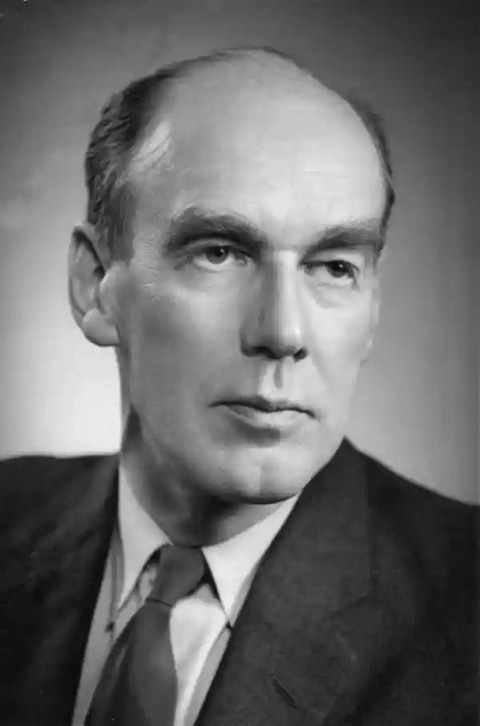
Robert Lorne Stanfield PC QC FRCGS (April 11, 1914 – December 16, 2003) was a Canadian politician who served as the 17th premier of Nova Scotia from 1956 to 1967 and the leader of the Official Opposition and leader of the Progressive Conservative Party of Canada from 1967 to 1976.
Born into an affluent Nova Scotia clothing manufacturing and political family in Truro, Stanfield graduated from Dalhousie University and Harvard Law School in the 1930s. He was a lawyer before becoming the leader of the Nova Scotia Progressive Conservative Party in 1948, with the goal of reviving the party that did not have a single seat in the legislature. After a rebuilding period, Stanfield led the party to a majority government in 1956; their first victory since 1928. Leading the party to four majorities in total, Stanfield's government established Industrial Estates Limited (IEL) to attract new industry in Nova Scotia, introduced hospital insurance and a provincial sales tax (PST) to fund half of it, prioritized human rights for Black Nova Scotians, and drastically increased funding for education.
In 1967, he resigned as premier and was elected the leader of the federal Progressive Conservative (PC) Party, thus becoming the leader of the Official Opposition. In the 1968 federal election, he suffered a landslide defeat to the incumbent Liberals led by Prime Minister Pierre Trudeau. In 1972, Stanfield recovered the PCs' standing and narrowly lost to Trudeau for a second time. In 1974, he lost to Trudeau's Liberals for a third time by a wide margin. Stanfield was a strong supporter of bilingualism, putting him at odds with some members of the PC Party. He resigned as leader in 1976 and from politics in 1979.
In retirement, he lived mostly in Ottawa, and campaigned for the Meech Lake Accord, the Charlottetown Accord, and free trade in the 1980s and early 1990s. He died in Ottawa in 2003 from complications due to pneumonia. He was one of only several people granted the style "The Right Honourable" who were not so entitled by virtue of an office held.
Stanfield was born in Truro, Nova Scotia, the son of Sarah Emma (née Thomas) and entrepreneur Frank Stanfield, and was named after Robert Borden, a fellow Nova Scotian who was prime minister at the time. Stanfield's family owned Stanfield's Limited, a large textile company. Stanfield studied economics and political science at Dalhousie University and was awarded the Governor General's Silver Medal for achieving the highest standing when he graduated in 1936 with a Bachelor of Arts (BA) degree.
Stanfield then studied at Harvard Law School, where he was an honours student near the top of his class and the first Canadian editor of the Harvard Law Review. During his student days in the 1930s, he witnessed the poverty that the Great Depression produced, causing him to become interested in John Maynard Keynes's economic theories. Stanfield then considered himself a socialist. Over time, he was less attached to socialism, but its influence on him remained, as he was considered a Red Tory for his appreciation of the common good. Stanfield graduated from Harvard in 1939 and was called to the bar in 1940. From 1939 to 1945 during World War II, he worked as a member of the Wartime Prices and Trade Board's Halifax staff.
Stanfield decided to enter Nova Scotia politics. In 1947 he became president of the Progressive Conservative Association of Nova Scotia (PCs) which was in poor shape as it did not have a single seat in the legislature, while the Liberals dominated the province. In 1948, Stanfield was elected leader of the party, and began the process of reviving the party. In the 1949 election, the PCs won 8 seats and in 1953, they won 12. In the 1956 election, the PCs won a majority government, their first victory since 1928. This ended 23 consecutive years of Liberal rule.
Known as "Honest Bob" for his straightforward manner, Stanfield served as premier of Nova Scotia, governing as a moderate and pragmatist. He led reforms on education, human rights, and health care. He led the PCs to three re-elections in 1960, 1963, and 1967, each time with larger majorities.
Hub AI
Robert Stanfield AI simulator
(@Robert Stanfield_simulator)
Robert Stanfield
Robert Lorne Stanfield PC QC FRCGS (April 11, 1914 – December 16, 2003) was a Canadian politician who served as the 17th premier of Nova Scotia from 1956 to 1967 and the leader of the Official Opposition and leader of the Progressive Conservative Party of Canada from 1967 to 1976.
Born into an affluent Nova Scotia clothing manufacturing and political family in Truro, Stanfield graduated from Dalhousie University and Harvard Law School in the 1930s. He was a lawyer before becoming the leader of the Nova Scotia Progressive Conservative Party in 1948, with the goal of reviving the party that did not have a single seat in the legislature. After a rebuilding period, Stanfield led the party to a majority government in 1956; their first victory since 1928. Leading the party to four majorities in total, Stanfield's government established Industrial Estates Limited (IEL) to attract new industry in Nova Scotia, introduced hospital insurance and a provincial sales tax (PST) to fund half of it, prioritized human rights for Black Nova Scotians, and drastically increased funding for education.
In 1967, he resigned as premier and was elected the leader of the federal Progressive Conservative (PC) Party, thus becoming the leader of the Official Opposition. In the 1968 federal election, he suffered a landslide defeat to the incumbent Liberals led by Prime Minister Pierre Trudeau. In 1972, Stanfield recovered the PCs' standing and narrowly lost to Trudeau for a second time. In 1974, he lost to Trudeau's Liberals for a third time by a wide margin. Stanfield was a strong supporter of bilingualism, putting him at odds with some members of the PC Party. He resigned as leader in 1976 and from politics in 1979.
In retirement, he lived mostly in Ottawa, and campaigned for the Meech Lake Accord, the Charlottetown Accord, and free trade in the 1980s and early 1990s. He died in Ottawa in 2003 from complications due to pneumonia. He was one of only several people granted the style "The Right Honourable" who were not so entitled by virtue of an office held.
Stanfield was born in Truro, Nova Scotia, the son of Sarah Emma (née Thomas) and entrepreneur Frank Stanfield, and was named after Robert Borden, a fellow Nova Scotian who was prime minister at the time. Stanfield's family owned Stanfield's Limited, a large textile company. Stanfield studied economics and political science at Dalhousie University and was awarded the Governor General's Silver Medal for achieving the highest standing when he graduated in 1936 with a Bachelor of Arts (BA) degree.
Stanfield then studied at Harvard Law School, where he was an honours student near the top of his class and the first Canadian editor of the Harvard Law Review. During his student days in the 1930s, he witnessed the poverty that the Great Depression produced, causing him to become interested in John Maynard Keynes's economic theories. Stanfield then considered himself a socialist. Over time, he was less attached to socialism, but its influence on him remained, as he was considered a Red Tory for his appreciation of the common good. Stanfield graduated from Harvard in 1939 and was called to the bar in 1940. From 1939 to 1945 during World War II, he worked as a member of the Wartime Prices and Trade Board's Halifax staff.
Stanfield decided to enter Nova Scotia politics. In 1947 he became president of the Progressive Conservative Association of Nova Scotia (PCs) which was in poor shape as it did not have a single seat in the legislature, while the Liberals dominated the province. In 1948, Stanfield was elected leader of the party, and began the process of reviving the party. In the 1949 election, the PCs won 8 seats and in 1953, they won 12. In the 1956 election, the PCs won a majority government, their first victory since 1928. This ended 23 consecutive years of Liberal rule.
Known as "Honest Bob" for his straightforward manner, Stanfield served as premier of Nova Scotia, governing as a moderate and pragmatist. He led reforms on education, human rights, and health care. He led the PCs to three re-elections in 1960, 1963, and 1967, each time with larger majorities.
Recent media