
Recent from talks
Ronald Kessler
Knowledge base stats:
Talk channels stats:
Members stats:
Ronald Kessler
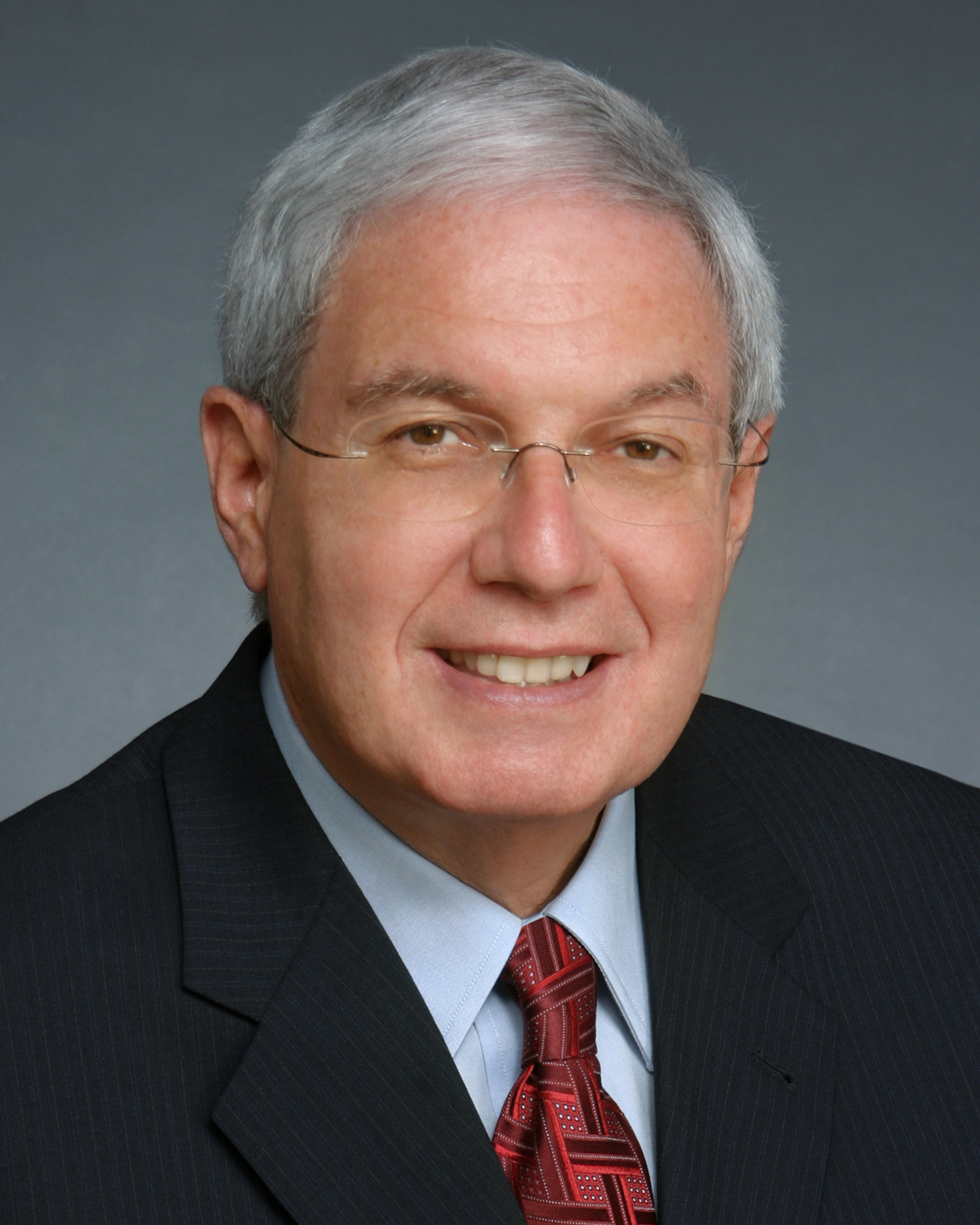
Ronald Borek Kessler (born Ronald Borek; December 31, 1943) is an American journalist and author of 21 non-fiction books about the White House, U.S. Secret Service, FBI, and CIA.
Kessler was born in The Bronx, New York City, the son of microbiologist Ernest Borek and concert pianist Minuetta Kessler, and grew up in Belmont, Massachusetts. After his parents divorced and his mother remarried, he adopted his step-father's last name. He attended Clark University in Worcester, Massachusetts, from 1962 to 1964, where he was a student reporter for the campus newspaper The Scarlet and exposed racial housing discrimination in a report that prompted state anti-discrimination regulations.
Kessler began his career in 1964 as a reporter with the Worcester Telegram, followed by three years as an investigative reporter and editorial writer with the Boston Herald. A series he wrote while there was instrumental in the installation of a better plaque commemorating the location of Boston's Pre-Revolutionary-War Liberty Tree.[citation needed] During these years, his reporting won awards from the American Political Science Association (public affairs reporting award, 1965), United Press International (1967) and the Associated Press (Sevellon Brown Memorial award, 1967).[citation needed] In 1968, he joined The Wall Street Journal as an investigative reporter in the New York bureau.
From 1970 to 1985, Kessler was an investigative reporter for The Washington Post. In 1972, he won a George Polk Memorial award for Community Service because of two series of articles he wrote—one on conflicts of interest and mismanagement at Washington area non-profit hospitals, and a second series exposing kickbacks among lawyers, title insurance companies, realtors, and lenders in connection with real estate settlements, inflating the cost of buying homes. That series resulted in congressional passage in 1974 of the Real Estate Settlement Procedures Act (RESPA), which outlaws kickbacks for referral of settlement services in connection with real estate closings. Kessler was named a Washingtonian of the Year for 1972 by Washingtonian magazine. In 1979, Kessler won a second Polk Award for National Reporting for a series of articles exposing corruption in the General Services Administration; he won even though his editor, Ben Bradlee, had not submitted his stories for consideration. Kessler's Washington Post stories reporting that Lena Ferguson had been denied membership in the Daughters of the American Revolution (DAR) because she is black led to her acceptance by the DAR, appointment to head the DAR Scholarship Committee, and widespread changes in the organization's policies to increase membership by blacks.
In 2006, Kessler became chief Washington correspondent for conservative cable news company Newsmax, where he became a leading promoter of Donald Trump. He left his position at Newsmax in 2012 citing "editorial changes", but has continued to write articles for the site. In 2014, Franklin Pierce University awarded Kessler the Marlin Fitzwater Medallion for excellence as a prolific author, journalist, and communicator.
Kessler has authored 21 nonfiction books on intelligence and current affairs. Seven of these, Inside the White House (1995), The Season: Inside Palm Beach and America's Richest Society (1999), A Matter of Character (2004), Laura Bush (2006), In the President's Secret Service: Behind the Scenes With Agents in the Line of Fire and the Presidents They Protect (2009), The Secrets of the FBI (2011), and The First Family Detail: Secret Service Agents Reveal the Hidden Lives of the Presidents (2014) have reached The New York Times Best Seller list for hardcover non-fiction.
Kessler's 1993 book, The FBI: Inside the World's Most Powerful Law Enforcement Agency, led to the dismissal by President Clinton of William S. Sessions as FBI director over his abuses. According to The Washington Post, "A Justice Department official ... noted that the original charges against Sessions came not from FBI agents but from a journalist, Ronald Kessler [who uncovered the abuses while writing a book about the FBI, leading to Sessions' dismissal by President Clinton] ..." The New York Times said Kessler's FBI book "did indeed trigger bureau and Justice Department investigations into alleged travel and expense abuses [by FBI Director William Sessions, leading to his departure] ..., but also noted that the hastily published book included a claim it called "Sensational but unexplained, the assertion borders on the irresponsible."
Kessler's 1996 book The Sins of the Father about Joseph P. Kennedy received negative reviews. The Washington Post called it "relentlessly uncharitable", a "sour and mean-spirited book", noting that "the author frequently resorts to speculation, guesswork and innuendo. This has the effect of making many of his attacks seem underhanded." New York Times reviewer Michiko Kakutani called it a "meanspirited, speculation-filled biography ... a determinedly poisonous portrait of the man." Despite reaching the New York times bestseller list, Kessler's 1999 book The Season: Inside Palm Beach and America's Richest Society received "tepid, if not stinging, reviews" and received criticism from some Palm Beach locals that it did not portray their town accurately.
Hub AI
Ronald Kessler AI simulator
(@Ronald Kessler_simulator)
Ronald Kessler
Ronald Borek Kessler (born Ronald Borek; December 31, 1943) is an American journalist and author of 21 non-fiction books about the White House, U.S. Secret Service, FBI, and CIA.
Kessler was born in The Bronx, New York City, the son of microbiologist Ernest Borek and concert pianist Minuetta Kessler, and grew up in Belmont, Massachusetts. After his parents divorced and his mother remarried, he adopted his step-father's last name. He attended Clark University in Worcester, Massachusetts, from 1962 to 1964, where he was a student reporter for the campus newspaper The Scarlet and exposed racial housing discrimination in a report that prompted state anti-discrimination regulations.
Kessler began his career in 1964 as a reporter with the Worcester Telegram, followed by three years as an investigative reporter and editorial writer with the Boston Herald. A series he wrote while there was instrumental in the installation of a better plaque commemorating the location of Boston's Pre-Revolutionary-War Liberty Tree.[citation needed] During these years, his reporting won awards from the American Political Science Association (public affairs reporting award, 1965), United Press International (1967) and the Associated Press (Sevellon Brown Memorial award, 1967).[citation needed] In 1968, he joined The Wall Street Journal as an investigative reporter in the New York bureau.
From 1970 to 1985, Kessler was an investigative reporter for The Washington Post. In 1972, he won a George Polk Memorial award for Community Service because of two series of articles he wrote—one on conflicts of interest and mismanagement at Washington area non-profit hospitals, and a second series exposing kickbacks among lawyers, title insurance companies, realtors, and lenders in connection with real estate settlements, inflating the cost of buying homes. That series resulted in congressional passage in 1974 of the Real Estate Settlement Procedures Act (RESPA), which outlaws kickbacks for referral of settlement services in connection with real estate closings. Kessler was named a Washingtonian of the Year for 1972 by Washingtonian magazine. In 1979, Kessler won a second Polk Award for National Reporting for a series of articles exposing corruption in the General Services Administration; he won even though his editor, Ben Bradlee, had not submitted his stories for consideration. Kessler's Washington Post stories reporting that Lena Ferguson had been denied membership in the Daughters of the American Revolution (DAR) because she is black led to her acceptance by the DAR, appointment to head the DAR Scholarship Committee, and widespread changes in the organization's policies to increase membership by blacks.
In 2006, Kessler became chief Washington correspondent for conservative cable news company Newsmax, where he became a leading promoter of Donald Trump. He left his position at Newsmax in 2012 citing "editorial changes", but has continued to write articles for the site. In 2014, Franklin Pierce University awarded Kessler the Marlin Fitzwater Medallion for excellence as a prolific author, journalist, and communicator.
Kessler has authored 21 nonfiction books on intelligence and current affairs. Seven of these, Inside the White House (1995), The Season: Inside Palm Beach and America's Richest Society (1999), A Matter of Character (2004), Laura Bush (2006), In the President's Secret Service: Behind the Scenes With Agents in the Line of Fire and the Presidents They Protect (2009), The Secrets of the FBI (2011), and The First Family Detail: Secret Service Agents Reveal the Hidden Lives of the Presidents (2014) have reached The New York Times Best Seller list for hardcover non-fiction.
Kessler's 1993 book, The FBI: Inside the World's Most Powerful Law Enforcement Agency, led to the dismissal by President Clinton of William S. Sessions as FBI director over his abuses. According to The Washington Post, "A Justice Department official ... noted that the original charges against Sessions came not from FBI agents but from a journalist, Ronald Kessler [who uncovered the abuses while writing a book about the FBI, leading to Sessions' dismissal by President Clinton] ..." The New York Times said Kessler's FBI book "did indeed trigger bureau and Justice Department investigations into alleged travel and expense abuses [by FBI Director William Sessions, leading to his departure] ..., but also noted that the hastily published book included a claim it called "Sensational but unexplained, the assertion borders on the irresponsible."
Kessler's 1996 book The Sins of the Father about Joseph P. Kennedy received negative reviews. The Washington Post called it "relentlessly uncharitable", a "sour and mean-spirited book", noting that "the author frequently resorts to speculation, guesswork and innuendo. This has the effect of making many of his attacks seem underhanded." New York Times reviewer Michiko Kakutani called it a "meanspirited, speculation-filled biography ... a determinedly poisonous portrait of the man." Despite reaching the New York times bestseller list, Kessler's 1999 book The Season: Inside Palm Beach and America's Richest Society received "tepid, if not stinging, reviews" and received criticism from some Palm Beach locals that it did not portray their town accurately.
Recent media