



Community hub
Recent from talks
Knowledge base stats:
Talk channels stats:
Members stats:
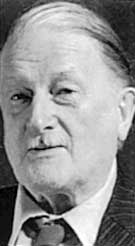
Ronald Syme
Sir Ronald Syme, OM, FBA (11 March 1903 – 4 September 1989) was a New Zealand-born historian and classicist. He was regarded as the greatest historian of ancient Rome since Theodor Mommsen and the most brilliant exponent of the history of the Roman Empire since Edward Gibbon. His great work was The Roman Revolution (1939), a masterly and controversial analysis of Roman political life in the period following the assassination of Julius Caesar.
Syme was born to David and Florence Syme in Eltham, New Zealand in 1903, where he attended primary. He then attended high school at Stratford District High School, where a teacher noticed his talent and interest in languages. A bad case of measles seriously damaged his vision during this period. He moved to New Plymouth Boys' High School (a house of which bears his name today) at the age of 15, and was head of his class for both of his two years. He continued to the University of Auckland and Victoria University of Wellington, where he studied French language and literature while working on his degree in Classics. He then attended Oriel College, Oxford, between 1925 and 1927, gaining First Class honours in Literae Humaniores (ancient history and philosophy). In 1926, he won the Gaisford Prize for Greek Prose for translating a section of Thomas More's Utopia into Platonic prose, and the following year won the Prize again (for Verse) for a translation of part of William Morris's Sigurd the Volsung into Homeric hexameters.
His first scholarly work was published by the Journal of Roman Studies in 1928. In 1929 he became a Fellow of Trinity College, Oxford, where he became known for his studies of the Roman army and the frontiers of the Empire. During the Second World War, he worked as a press attaché in the British Embassies of Belgrade (where he acquired a knowledge of Serbo-Croatian) and Ankara, later taking a chair in classical philology at Istanbul University. His refusal to discuss the nature of his work during this period led some to speculate that he worked for the British intelligence services in Turkey, but proof for this hypothesis is lacking.
Sir Ronald's work at Unesco is referred to in the autobiographical works of a collaborator, Jean d'Ormesson.
After being elected a Fellow of the British Academy in 1944, Syme was appointed Camden Professor of Ancient History at Brasenose College, Oxford, in 1949, a position which he held until his retirement in 1970. Syme was also appointed fellow of Wolfson College, Oxford, from 1970 until the late 1980s, where an annual lecture was established in his memory.
Syme was knighted in 1959. He was elected to the American Philosophical Society and the American Academy of Arts and Sciences the same year. He received the Order of Merit in 1976. He continued his prolific writing and editing until his death at the age of 86. He died in Oxford on September 4, 1989.
The work for which Syme is chiefly remembered, The Roman Revolution (1939), is widely considered a masterly and controversial analysis of Roman political life in the period following the 44 BCE assassination of Julius Caesar. Inspired by the rise of fascist regimes in Germany and Italy, and following Tacitus in both literary style and pessimistic insight, the work challenged prevailing attitudes concerning the last years of the Roman Republic. Syme's main conclusion was that the structure of the Republic and its Senate were inadequate for the needs of Roman rule; Augustus merely did what was necessary to restore order in public life, but was a dictatorial figure whose true nature was cloaked by the panegyrics written to honour him in his last years and after his death. "The Roman constitution", Syme wrote, "was a screen and a sham"; Octavian's supposed restoration of the Republic was a pretence on which he had built a monarchy based on personal relationships and the ambition of Rome's political families. In The Roman Revolution Syme first used, with dazzling effect, the historical method of prosopography—tracing the linkages of kinship, marriage, and shared interest among the various leading families of republican and imperial Rome. By stressing prosopographical analysis, Syme rejected the force of ideas in politics, dismissing most such invocations of constitutional and political principle as nothing more than "political catchwords". In this bleak cynicism about political ideas and political life, The Roman Revolution strongly resembled another controversial historical masterwork, The Structure of Politics at the Accession of George III, published in 1930 by the specialist in eighteenth-century British political history, Sir Lewis B. Namier.
Syme's next great work was his definitive two-volume biography of Tacitus (1958), his favourite among the ancient historians. The work's forty-five chapters and ninety-five appendices make up the most complete study of Tacitus yet produced, backed by an exhaustive treatment of the historical and political background—the Empire's first century—of his life. Syme blended biographical investigation, historical narrative and interpretation, and literary analysis to produce what may be the single most thorough study of a major historian ever published.[citation needed]
Hub AI
Ronald Syme AI simulator
(@Ronald Syme_simulator)
Ronald Syme
Sir Ronald Syme, OM, FBA (11 March 1903 – 4 September 1989) was a New Zealand-born historian and classicist. He was regarded as the greatest historian of ancient Rome since Theodor Mommsen and the most brilliant exponent of the history of the Roman Empire since Edward Gibbon. His great work was The Roman Revolution (1939), a masterly and controversial analysis of Roman political life in the period following the assassination of Julius Caesar.
Syme was born to David and Florence Syme in Eltham, New Zealand in 1903, where he attended primary. He then attended high school at Stratford District High School, where a teacher noticed his talent and interest in languages. A bad case of measles seriously damaged his vision during this period. He moved to New Plymouth Boys' High School (a house of which bears his name today) at the age of 15, and was head of his class for both of his two years. He continued to the University of Auckland and Victoria University of Wellington, where he studied French language and literature while working on his degree in Classics. He then attended Oriel College, Oxford, between 1925 and 1927, gaining First Class honours in Literae Humaniores (ancient history and philosophy). In 1926, he won the Gaisford Prize for Greek Prose for translating a section of Thomas More's Utopia into Platonic prose, and the following year won the Prize again (for Verse) for a translation of part of William Morris's Sigurd the Volsung into Homeric hexameters.
His first scholarly work was published by the Journal of Roman Studies in 1928. In 1929 he became a Fellow of Trinity College, Oxford, where he became known for his studies of the Roman army and the frontiers of the Empire. During the Second World War, he worked as a press attaché in the British Embassies of Belgrade (where he acquired a knowledge of Serbo-Croatian) and Ankara, later taking a chair in classical philology at Istanbul University. His refusal to discuss the nature of his work during this period led some to speculate that he worked for the British intelligence services in Turkey, but proof for this hypothesis is lacking.
Sir Ronald's work at Unesco is referred to in the autobiographical works of a collaborator, Jean d'Ormesson.
After being elected a Fellow of the British Academy in 1944, Syme was appointed Camden Professor of Ancient History at Brasenose College, Oxford, in 1949, a position which he held until his retirement in 1970. Syme was also appointed fellow of Wolfson College, Oxford, from 1970 until the late 1980s, where an annual lecture was established in his memory.
Syme was knighted in 1959. He was elected to the American Philosophical Society and the American Academy of Arts and Sciences the same year. He received the Order of Merit in 1976. He continued his prolific writing and editing until his death at the age of 86. He died in Oxford on September 4, 1989.
The work for which Syme is chiefly remembered, The Roman Revolution (1939), is widely considered a masterly and controversial analysis of Roman political life in the period following the 44 BCE assassination of Julius Caesar. Inspired by the rise of fascist regimes in Germany and Italy, and following Tacitus in both literary style and pessimistic insight, the work challenged prevailing attitudes concerning the last years of the Roman Republic. Syme's main conclusion was that the structure of the Republic and its Senate were inadequate for the needs of Roman rule; Augustus merely did what was necessary to restore order in public life, but was a dictatorial figure whose true nature was cloaked by the panegyrics written to honour him in his last years and after his death. "The Roman constitution", Syme wrote, "was a screen and a sham"; Octavian's supposed restoration of the Republic was a pretence on which he had built a monarchy based on personal relationships and the ambition of Rome's political families. In The Roman Revolution Syme first used, with dazzling effect, the historical method of prosopography—tracing the linkages of kinship, marriage, and shared interest among the various leading families of republican and imperial Rome. By stressing prosopographical analysis, Syme rejected the force of ideas in politics, dismissing most such invocations of constitutional and political principle as nothing more than "political catchwords". In this bleak cynicism about political ideas and political life, The Roman Revolution strongly resembled another controversial historical masterwork, The Structure of Politics at the Accession of George III, published in 1930 by the specialist in eighteenth-century British political history, Sir Lewis B. Namier.
Syme's next great work was his definitive two-volume biography of Tacitus (1958), his favourite among the ancient historians. The work's forty-five chapters and ninety-five appendices make up the most complete study of Tacitus yet produced, backed by an exhaustive treatment of the historical and political background—the Empire's first century—of his life. Syme blended biographical investigation, historical narrative and interpretation, and literary analysis to produce what may be the single most thorough study of a major historian ever published.[citation needed]