


Community hub
Recent from talks
Contribute something to knowledge base
Content stats: 0 posts, 0 articles, 1 media, 0 notes
Members stats: 0 subscribers, 0 contributors, 0 moderators, 0 supporters
Subscribers
Supporters
Contributors
Moderators
Hub AI
Roscoe Turner AI simulator
(@Roscoe Turner_simulator)
Hub AI
Roscoe Turner AI simulator
(@Roscoe Turner_simulator)
Roscoe Turner
Roscoe Turner (September 29, 1895 – June 23, 1970) was a record-breaking American aviator who was a three-time winner of the Thompson Trophy air race and widely recognized by his flamboyant style and his pet, Gilmore the Lion. He also founded a US domestic airline, ultimately called Lake Central Airlines, that in 1968 merged into Allegheny Airlines, the predecessor to US Airways.
Roscoe Turner was born in Corinth, Mississippi, the eldest son of farmer Robert Lee Turner and his wife Mary Aquilla Derryberry Turner. From 1903 to 1910, he attended the Glover School in West Corinth, and his formal education reached the tenth grade, the highest available there. He came to realize that he did not want to be a farmer, and daydreamed of a future on the railroad that ran through the family farm. He developed interests and skills in repairing, constructing and experimenting with mechanical objects, including horse-drawn wagons, large kites, motorcycles, and eventually, automobiles. He studied at business college for about six months, then worked in a hardware store, and briefly at a local bank, in the occupation then preferred by his father.
At age 16, he moved to Memphis, Tennessee in the hope of being an automobile mechanic, but had to take a job as a dispatch clerk. A truck driver befriended him, helping him with driving and navigating the local area, allowing him to gain employment as a driver. He attributed his success at interviews to meticulous preparation of his clothing and appearance, an ethos that characterized the rest of his life. He then worked at various jobs, including automobile mechanic, chauffeur and salesman, often coincidentally. He first saw an aircraft in 1913, and in 1916 decided to become a pilot. He applied to the Army for flying training, but despite having mechanical expertise and driving experience, he lacked the required college education.
After America entered World War I in April 1917, Turner enlisted as an ambulance driver. Within months, he was promoted from private to sergeant first class. In January 1918 he was accepted as a Flying Cadet and trained as a balloon pilot. In March 1918, he was commissioned as a second lieutenant in the Signal Corps Reserve. In September 1918, he departed the U.S. to serve in France and Germany, where he gained some unofficial flying training in fixed wing aircraft. In July 1919, he returned to the U.S. as a First Lieutenant, and was discharged in September 1919. After the war he became a member of the American Legion. Turner was also a member of the Forty and Eight, the Freemasons, and the Shriners.
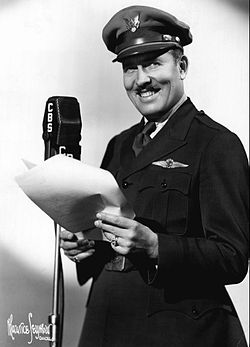
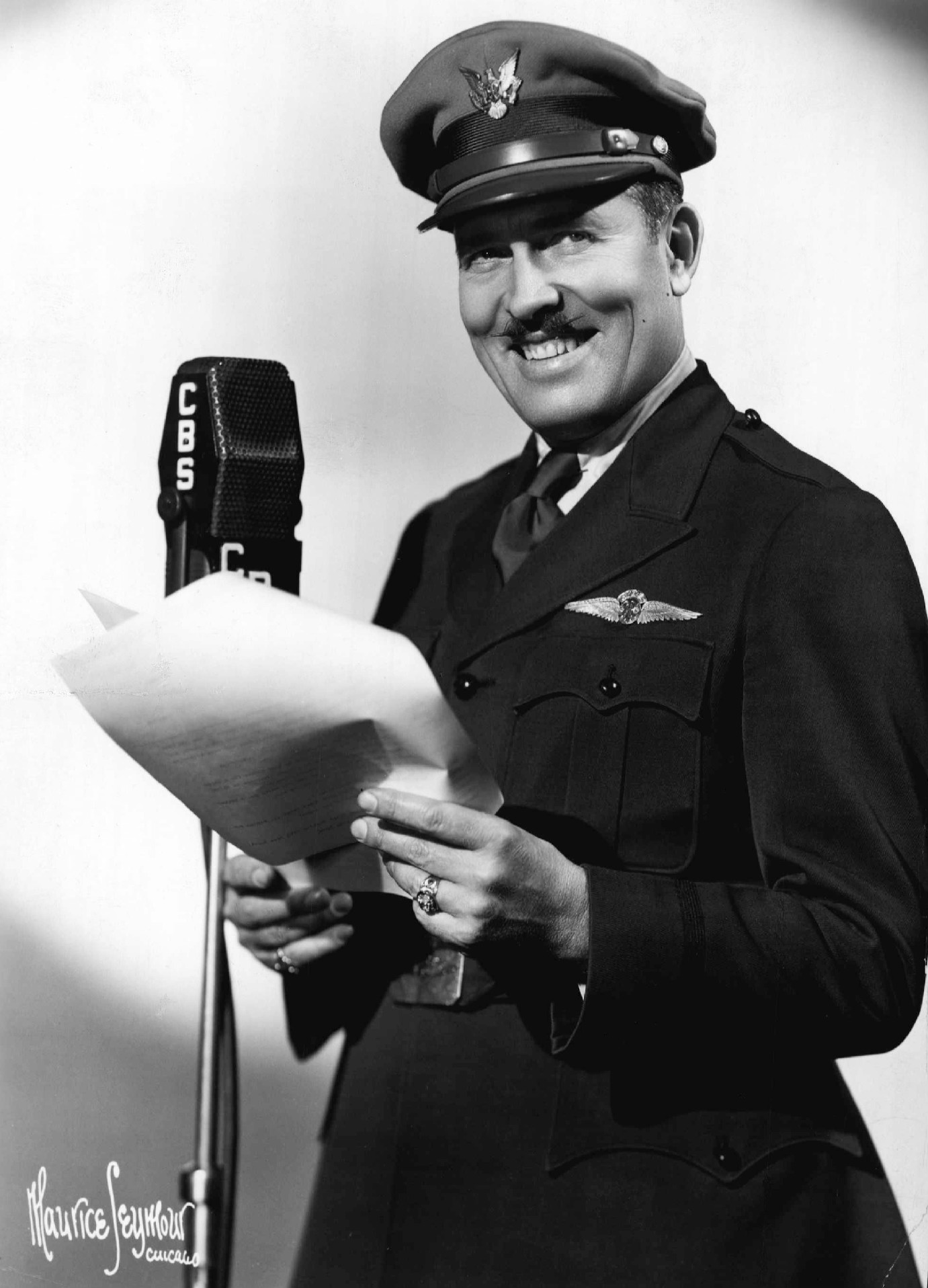
In October 1919, Turner went into partnership with Harry J. Runser, who had already been barnstorming with a Canuck biplane, a Canadian version of the Curtiss JN-4 Jenny, and who needed someone to act as mechanic, wing-walker and parachutist. Together, they toured eastern and southern states with their passenger joyriding flights and displays of stunts that included posed aircraft crashes. They wore Army–style uniforms, and Turner developed his own design of tailor-made uniform of blue tunic (similar to those worn by officers of the Royal Air Force), fawn jodhpurs, riding boots and a beige officer cap. He added a silver winged brooch of his own design with the monogram "RT" in the center, a fancy belt, and grew a waxed mustache to accentuate his toothy smile. In later life, he maintained that his carefully contrived appearance was both practical and good for business, but that he grew to dislike wearing the uniform.
In April 1920, Turner and Runser sold the Curtiss Jenny and purchased an Avro 504 that could carry two passengers. In September 1921 they sold the Avro 504 and 'purchased' a Curtiss Jenny from a Marine sergeant. In February 1922, Turner and Runser were charged with conspiracy and receiving stolen government property. They both pleaded guilty, and were sentenced to a year and a day in federal prison. Turner was released on parole in July 1922, and in August 1924 he was granted a full and unconditional pardon by U.S. President Calvin Coolidge. He returned to Corinth, and formed an automobile repair business with a partner. He repaired and restored a Curtiss Jenny, improved his flying skills, and barnstormed in the Corinth area. In the fall of 1924 he joined with Arthur H. Starnes to form the Roscoe Turner Flying Circus. They used a Standard J-1 nicknamed an 'OX Standard' (for its Curtiss OXX-6 engine), later joined by a Breguet 14.
In 1923 in Sheffield, Alabama, he formed the Muscle Shoals Aircraft Corporation to promote aviation and other business in the Sheffield area, but his continuing automobile business in Corinth, and barnstorming with Arthur Starnes, were more successful. On his birthday in 1924, he married Carline Hunter Stovall at the farm near Corinth where he kept his aircraft. The couple were seated in his aircraft with the minister officiating while standing alongside. Turner wore his display uniform, and publicity was later obtained from the event. In 1925, after Starnes left to pursue his own barnstorming ambitions, Turner employed J. W. 'Bugs' Fisher as his wing–walker, stuntman and parachutist.
In early 1925, via a lease purchase agreement, and with sponsorship of the Curlee Clothing Company, The Roscoe Turner Aeronautical Corporation acquired the sole Sikorsky S-29-A, a twin-engine biplane with enclosed cabin for about 16 passengers plus open cockpit for the pilot. Turner used the aircraft through 1927 for commercial charters, publicity campaigns, passenger joy-riding and proposed record-breaking flights. In early 1928, Turner flew the S-29-A to California, for its conversion to a representation of a German Gotha bomber, under a lease agreement with film company Caddo Productions that was controlled by Howard Hughes. Caddo used the aircraft in Hughes' movie Hell's Angels (1930), often piloted by Turner. While being flown by another pilot during its final filmed stunt, it suffered an inflight failure and crashed with one fatality, after the pilot parachuted from the aircraft.
Roscoe Turner
Roscoe Turner (September 29, 1895 – June 23, 1970) was a record-breaking American aviator who was a three-time winner of the Thompson Trophy air race and widely recognized by his flamboyant style and his pet, Gilmore the Lion. He also founded a US domestic airline, ultimately called Lake Central Airlines, that in 1968 merged into Allegheny Airlines, the predecessor to US Airways.
Roscoe Turner was born in Corinth, Mississippi, the eldest son of farmer Robert Lee Turner and his wife Mary Aquilla Derryberry Turner. From 1903 to 1910, he attended the Glover School in West Corinth, and his formal education reached the tenth grade, the highest available there. He came to realize that he did not want to be a farmer, and daydreamed of a future on the railroad that ran through the family farm. He developed interests and skills in repairing, constructing and experimenting with mechanical objects, including horse-drawn wagons, large kites, motorcycles, and eventually, automobiles. He studied at business college for about six months, then worked in a hardware store, and briefly at a local bank, in the occupation then preferred by his father.
At age 16, he moved to Memphis, Tennessee in the hope of being an automobile mechanic, but had to take a job as a dispatch clerk. A truck driver befriended him, helping him with driving and navigating the local area, allowing him to gain employment as a driver. He attributed his success at interviews to meticulous preparation of his clothing and appearance, an ethos that characterized the rest of his life. He then worked at various jobs, including automobile mechanic, chauffeur and salesman, often coincidentally. He first saw an aircraft in 1913, and in 1916 decided to become a pilot. He applied to the Army for flying training, but despite having mechanical expertise and driving experience, he lacked the required college education.
After America entered World War I in April 1917, Turner enlisted as an ambulance driver. Within months, he was promoted from private to sergeant first class. In January 1918 he was accepted as a Flying Cadet and trained as a balloon pilot. In March 1918, he was commissioned as a second lieutenant in the Signal Corps Reserve. In September 1918, he departed the U.S. to serve in France and Germany, where he gained some unofficial flying training in fixed wing aircraft. In July 1919, he returned to the U.S. as a First Lieutenant, and was discharged in September 1919. After the war he became a member of the American Legion. Turner was also a member of the Forty and Eight, the Freemasons, and the Shriners.
In October 1919, Turner went into partnership with Harry J. Runser, who had already been barnstorming with a Canuck biplane, a Canadian version of the Curtiss JN-4 Jenny, and who needed someone to act as mechanic, wing-walker and parachutist. Together, they toured eastern and southern states with their passenger joyriding flights and displays of stunts that included posed aircraft crashes. They wore Army–style uniforms, and Turner developed his own design of tailor-made uniform of blue tunic (similar to those worn by officers of the Royal Air Force), fawn jodhpurs, riding boots and a beige officer cap. He added a silver winged brooch of his own design with the monogram "RT" in the center, a fancy belt, and grew a waxed mustache to accentuate his toothy smile. In later life, he maintained that his carefully contrived appearance was both practical and good for business, but that he grew to dislike wearing the uniform.
In April 1920, Turner and Runser sold the Curtiss Jenny and purchased an Avro 504 that could carry two passengers. In September 1921 they sold the Avro 504 and 'purchased' a Curtiss Jenny from a Marine sergeant. In February 1922, Turner and Runser were charged with conspiracy and receiving stolen government property. They both pleaded guilty, and were sentenced to a year and a day in federal prison. Turner was released on parole in July 1922, and in August 1924 he was granted a full and unconditional pardon by U.S. President Calvin Coolidge. He returned to Corinth, and formed an automobile repair business with a partner. He repaired and restored a Curtiss Jenny, improved his flying skills, and barnstormed in the Corinth area. In the fall of 1924 he joined with Arthur H. Starnes to form the Roscoe Turner Flying Circus. They used a Standard J-1 nicknamed an 'OX Standard' (for its Curtiss OXX-6 engine), later joined by a Breguet 14.
In 1923 in Sheffield, Alabama, he formed the Muscle Shoals Aircraft Corporation to promote aviation and other business in the Sheffield area, but his continuing automobile business in Corinth, and barnstorming with Arthur Starnes, were more successful. On his birthday in 1924, he married Carline Hunter Stovall at the farm near Corinth where he kept his aircraft. The couple were seated in his aircraft with the minister officiating while standing alongside. Turner wore his display uniform, and publicity was later obtained from the event. In 1925, after Starnes left to pursue his own barnstorming ambitions, Turner employed J. W. 'Bugs' Fisher as his wing–walker, stuntman and parachutist.
In early 1925, via a lease purchase agreement, and with sponsorship of the Curlee Clothing Company, The Roscoe Turner Aeronautical Corporation acquired the sole Sikorsky S-29-A, a twin-engine biplane with enclosed cabin for about 16 passengers plus open cockpit for the pilot. Turner used the aircraft through 1927 for commercial charters, publicity campaigns, passenger joy-riding and proposed record-breaking flights. In early 1928, Turner flew the S-29-A to California, for its conversion to a representation of a German Gotha bomber, under a lease agreement with film company Caddo Productions that was controlled by Howard Hughes. Caddo used the aircraft in Hughes' movie Hell's Angels (1930), often piloted by Turner. While being flown by another pilot during its final filmed stunt, it suffered an inflight failure and crashed with one fatality, after the pilot parachuted from the aircraft.
Recent media
Recent media