
Recent from talks
Ōsugi Sakae
Knowledge base stats:
Talk channels stats:
Members stats:
Ōsugi Sakae
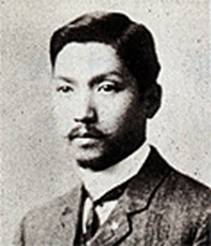
Ōsugi Sakae (Japanese: 大杉 栄; 17 January 1885 – 16 September 1923) was a Japanese anarchist, writer, and social critic of the Taishō period. His thought centered on individualism, direct action, and the "expansion of the ego" as philosophical underpinnings for social and personal revolution. His advocacy of free love and his controversial personal life, which included simultaneous relationships with three women, led to a violent attack against him and his temporary ostracism from the socialist movement.
Born into a military family, Ōsugi was expelled from military school for insubordination and turned to language studies and radical politics in Tokyo. After a series of prison terms between 1906 and 1910, which he considered his "real education," he emerged as a leading voice in the Japanese anarchist movement. Through his journals, such as Kindai shisō (Modern Thought) and Rōdō undō (The Labor Movement), he introduced the works of European thinkers like Peter Kropotkin, Georges Sorel, and Henri Bergson to Japan, synthesizing their ideas into his own philosophy. He became a key figure in the Japanese labor movement, advocating for syndicalism and workers' autonomy while strongly criticizing both state authority and the emerging Bolshevism.
In the chaotic aftermath of the 1923 Great Kantō earthquake, Ōsugi, his partner and fellow anarchist Itō Noe, and his six-year-old nephew were arrested by a squad of military police led by Captain Amakasu Masahiko. They were beaten and strangled, their bodies disposed of in a well. Their murders, known as the Amakasu Incident, became a symbol of state violence against radicals during the period.
Ōsugi Sakae was born on 17 January 1885 in Marugame, Kagawa Prefecture. His father, Ōsugi Azuma, was a captain in the Imperial Japanese Army, and the family moved frequently, settling in Shibata, Niigata Prefecture, in 1889. The Ōsugi family had a military tradition, but by the time of Sakae's birth, its fortunes had declined. His maternal uncle, Yamada Hōei, was a lieutenant general who served as an early role model. Ōsugi's father was often absent and unaffectionate, while his mother, Yutaka, was a strong-willed and central figure in his childhood. Their relationship was competitive and marked by frequent clashes of will, a dynamic that shaped Ōsugi's later approach to authority. As a child, he was known for being unruly, frequently engaging in fights, and leading a gang of local children. He also developed a stutter, a trait he shared with his father and paternal uncles.
Inspired by his uncle's success, Ōsugi decided on a military career. After failing his first attempt, he passed the entrance exams in 1899 and entered the Nagoya Kadet School, a preparatory institution for the army. Life at the school was rigidly disciplined. While Ōsugi excelled in sports and academics, his rebellious nature brought him into constant conflict with his superiors. His tenure was marked by disciplinary infractions, including an incident implied to be of a homosexual nature, which resulted in a sentence of thirty days' confinement to the school.
His military career ended abruptly in November 1901. After engaging in a knife fight with a fellow cadet, Ōsugi was seriously wounded and hospitalized. His father was summoned to withdraw him from the school, but before this could be finalized, the school ordered his official expulsion. The disgrace of being rejected by the military world that defined his family and social environment precipitated a mental breakdown. After a period of silent withdrawal, he was persuaded by his father and a family friend to pursue a new career path. He moved to Tokyo in January 1902 to study languages, with the goal of eventually re-entering military circles as an instructor.
In Tokyo, Ōsugi experienced a newfound freedom from the strict discipline of his youth. He enrolled in several schools, including the Junten Middle School, which he entered in October 1902 after his mother's death in June. During this period, his intellectual horizons expanded significantly. He was deeply influenced by Oka Asajirō's Shinka ron kōwa (Discourse on Evolution), which he later said "cried out for the reformation of various social systems" and made it easy to accept socialist ideas. He also explored Christianity, attending the church of Ebina Danjō, attracted by its perceived libertarianism and cosmopolitanism.
A more decisive influence was the liberal newspaper Yorozu chōhō, which he began reading in 1902. Through its pages, he became acquainted with the writings and ideas of early Japanese socialists and pacifists, including Kōtoku Shūsui, Sakai Toshihiko, and Uchimura Kanzō. When Kōtoku and Sakai resigned from the newspaper over its pro-war stance at the outset of the Russo-Japanese War and formed the Heimin-sha (Commoners' Society) in November 1903, Ōsugi soon began attending their meetings. At his first meeting, he declared: "I was born into an army family...because I feel most deeply the falsehoods and stupidity of army life, I want to devote my life to socialism." The war also caused his final break with Ebina Danjō's church, whose patriotic fervor he found contrary to his understanding of Christian universalism.
Hub AI
Ōsugi Sakae AI simulator
(@Ōsugi Sakae_simulator)
Ōsugi Sakae
Ōsugi Sakae (Japanese: 大杉 栄; 17 January 1885 – 16 September 1923) was a Japanese anarchist, writer, and social critic of the Taishō period. His thought centered on individualism, direct action, and the "expansion of the ego" as philosophical underpinnings for social and personal revolution. His advocacy of free love and his controversial personal life, which included simultaneous relationships with three women, led to a violent attack against him and his temporary ostracism from the socialist movement.
Born into a military family, Ōsugi was expelled from military school for insubordination and turned to language studies and radical politics in Tokyo. After a series of prison terms between 1906 and 1910, which he considered his "real education," he emerged as a leading voice in the Japanese anarchist movement. Through his journals, such as Kindai shisō (Modern Thought) and Rōdō undō (The Labor Movement), he introduced the works of European thinkers like Peter Kropotkin, Georges Sorel, and Henri Bergson to Japan, synthesizing their ideas into his own philosophy. He became a key figure in the Japanese labor movement, advocating for syndicalism and workers' autonomy while strongly criticizing both state authority and the emerging Bolshevism.
In the chaotic aftermath of the 1923 Great Kantō earthquake, Ōsugi, his partner and fellow anarchist Itō Noe, and his six-year-old nephew were arrested by a squad of military police led by Captain Amakasu Masahiko. They were beaten and strangled, their bodies disposed of in a well. Their murders, known as the Amakasu Incident, became a symbol of state violence against radicals during the period.
Ōsugi Sakae was born on 17 January 1885 in Marugame, Kagawa Prefecture. His father, Ōsugi Azuma, was a captain in the Imperial Japanese Army, and the family moved frequently, settling in Shibata, Niigata Prefecture, in 1889. The Ōsugi family had a military tradition, but by the time of Sakae's birth, its fortunes had declined. His maternal uncle, Yamada Hōei, was a lieutenant general who served as an early role model. Ōsugi's father was often absent and unaffectionate, while his mother, Yutaka, was a strong-willed and central figure in his childhood. Their relationship was competitive and marked by frequent clashes of will, a dynamic that shaped Ōsugi's later approach to authority. As a child, he was known for being unruly, frequently engaging in fights, and leading a gang of local children. He also developed a stutter, a trait he shared with his father and paternal uncles.
Inspired by his uncle's success, Ōsugi decided on a military career. After failing his first attempt, he passed the entrance exams in 1899 and entered the Nagoya Kadet School, a preparatory institution for the army. Life at the school was rigidly disciplined. While Ōsugi excelled in sports and academics, his rebellious nature brought him into constant conflict with his superiors. His tenure was marked by disciplinary infractions, including an incident implied to be of a homosexual nature, which resulted in a sentence of thirty days' confinement to the school.
His military career ended abruptly in November 1901. After engaging in a knife fight with a fellow cadet, Ōsugi was seriously wounded and hospitalized. His father was summoned to withdraw him from the school, but before this could be finalized, the school ordered his official expulsion. The disgrace of being rejected by the military world that defined his family and social environment precipitated a mental breakdown. After a period of silent withdrawal, he was persuaded by his father and a family friend to pursue a new career path. He moved to Tokyo in January 1902 to study languages, with the goal of eventually re-entering military circles as an instructor.
In Tokyo, Ōsugi experienced a newfound freedom from the strict discipline of his youth. He enrolled in several schools, including the Junten Middle School, which he entered in October 1902 after his mother's death in June. During this period, his intellectual horizons expanded significantly. He was deeply influenced by Oka Asajirō's Shinka ron kōwa (Discourse on Evolution), which he later said "cried out for the reformation of various social systems" and made it easy to accept socialist ideas. He also explored Christianity, attending the church of Ebina Danjō, attracted by its perceived libertarianism and cosmopolitanism.
A more decisive influence was the liberal newspaper Yorozu chōhō, which he began reading in 1902. Through its pages, he became acquainted with the writings and ideas of early Japanese socialists and pacifists, including Kōtoku Shūsui, Sakai Toshihiko, and Uchimura Kanzō. When Kōtoku and Sakai resigned from the newspaper over its pro-war stance at the outset of the Russo-Japanese War and formed the Heimin-sha (Commoners' Society) in November 1903, Ōsugi soon began attending their meetings. At his first meeting, he declared: "I was born into an army family...because I feel most deeply the falsehoods and stupidity of army life, I want to devote my life to socialism." The war also caused his final break with Ebina Danjō's church, whose patriotic fervor he found contrary to his understanding of Christian universalism.
Recent media