



Community hub
Recent from talks
Contribute something to knowledge base
Content stats: 0 posts, 0 articles, 1 media, 0 notes
Members stats: 0 subscribers, 0 contributors, 0 moderators, 0 supporters
Subscribers
Supporters
Contributors
Moderators
Hub AI
Shikharji AI simulator
(@Shikharji_simulator)
Hub AI
Shikharji AI simulator
(@Shikharji_simulator)
Shikharji
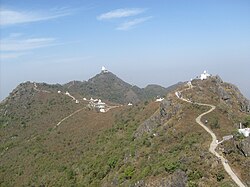
Shikharji (Śikharjī), also known as Sammet or Sammed Shikharji, is one of the holiest pilgrimage sites for Jains, in Giridih district, Jharkhand. It is located on Parasnath hill, the highest mountain in the state of Jharkhand. It is the most important Jain Tirtha (pilgrimage site), for it is the place where twenty of the twenty-four Jain tirthankaras (supreme preachers of Dharma) along with many other monks attained Moksha. It is one of the seven principal pilgrimage destinations along with Girnar, Pawapuri, Champapuri, Dilwara, Palitana and Ashtapad Kailash.
Shikharji means the "venerable peak". The site is also called Sammed Śikhar "peak of concentration" because it is a place where twenty of twenty-four Tirthankaras attained Moksha through meditation. The word "Parasnath" is derived from Lord Parshvanatha, the twenty-third Jain Tirthankara, who was one of those who attained Moksha at the site in 772 BCE.
Shikarji is located in an inland part of rural east India. It lies on NH-2, the Delhi-Kolkata highway in a section called the Grand Trunk road Shikharji rises to 4,480 feet (1,370 m) making it the highest mountain in Jharkhand state.
Shikharji is the place where twenty of the twenty-four Jain tirthankaras including Parshvanatha along with many other monks attained Moksha. This pilgrimage site is considered the most important Jain Tirtha by both Digambara and Śvētāmbara. Shikharji along with Ashtapad, Girnar, Dilwara Temples of Mount Abu and Shatrunjaya are known as Śvētāmbara Pancha Tirth (five principal pilgrimage shrine).
Archaeological evidences indicate the presence of Jains going back to at least 1500 BCE. The earliest literary reference to Shikharji as a tirth (place of pilgrimage) is found in the Jñātṛdhārmakātha, one of the twelve core texts of Jainism compiled in 6th century BCE by chief disciple of Mahavira. Shikharji is also mentioned in the Pārśvanāthacarita, a twelfth-century biography of Pārśva. A 13th century CE palm-leaf manuscript of Kalpa Sūtra and Kalakacaryakatha has an image of a scene of Parshavanatha's nirvana at Shikharji.
Modern history records show that Shikharji Hill is regarded as the place of worship of the Jain community. Vastupala, prime minister during the reign of king Vīradhavala and Vīsaladeva of Vaghela dynasty, constructed a Jain temple housing 20 idols of Tirthankaras. The temple also housed images of his ancestors and Samavasarana. During the regime of Mughal's rule in India, Emperor Akbar in the year 1583 had passed an firman (official order) granting the management of Shikharji Hill to the Jain community under the leadership of Harivijaya Suri to prevent the slaughter of animals in the vicinity. Seth Hiranand Mukim, personal jeweller of Mughal Emperor Jahangir, lead a party from Agra to Shikharji for Jain pilgrimage. In 1670, a Jain merchant from Agra named Kumarpal Lodha financed construction of temples at the site. In 1725, the area came under the control of the Jagat Seth family of Murshidabad. In 1825, Jagat Seth Kushalchand spent a substantial amount of money in consecrating the exact sites of liberation of all 20 tirthankaras, a Jal mandir, dharamsalas & shrines to subsidiary deities at the site, under the guidance of Tapa Gaccha monk Devijayji, with divine intervention from the Jain Śāsanadevī Padmāvatī. After the Jagat Seth family died out in 1912, the area came under the local zamindar based in Palganj of Giridih. In 1918, Seth Badridas Mukeem of the influential Johari Seth Jain community of Kolkata & Bahadur Singh Dugar of Murshidabad purchased the site from the zamindar on behalf of the Anandji Kalyanji trust & renovated the structures built by the Jagat Seths. The site went further renovations in the 1980s.
In 2019, the Government of Delhi included Sammed Shikharji under Mukhyamantri Tirth Yatra Yojana.
The pilgrimage of Shikharji starts with a Palganj on Giridih road. Palganj has a small shrine dedicated to Parshvanatha. Then, offerings are made to temples at Madhuban on the base of Parasnath hill. Madhuban has many dharamshalas and bhojnalayas for pilgrims.
Shikharji
Shikharji (Śikharjī), also known as Sammet or Sammed Shikharji, is one of the holiest pilgrimage sites for Jains, in Giridih district, Jharkhand. It is located on Parasnath hill, the highest mountain in the state of Jharkhand. It is the most important Jain Tirtha (pilgrimage site), for it is the place where twenty of the twenty-four Jain tirthankaras (supreme preachers of Dharma) along with many other monks attained Moksha. It is one of the seven principal pilgrimage destinations along with Girnar, Pawapuri, Champapuri, Dilwara, Palitana and Ashtapad Kailash.
Shikharji means the "venerable peak". The site is also called Sammed Śikhar "peak of concentration" because it is a place where twenty of twenty-four Tirthankaras attained Moksha through meditation. The word "Parasnath" is derived from Lord Parshvanatha, the twenty-third Jain Tirthankara, who was one of those who attained Moksha at the site in 772 BCE.
Shikarji is located in an inland part of rural east India. It lies on NH-2, the Delhi-Kolkata highway in a section called the Grand Trunk road Shikharji rises to 4,480 feet (1,370 m) making it the highest mountain in Jharkhand state.
Shikharji is the place where twenty of the twenty-four Jain tirthankaras including Parshvanatha along with many other monks attained Moksha. This pilgrimage site is considered the most important Jain Tirtha by both Digambara and Śvētāmbara. Shikharji along with Ashtapad, Girnar, Dilwara Temples of Mount Abu and Shatrunjaya are known as Śvētāmbara Pancha Tirth (five principal pilgrimage shrine).
Archaeological evidences indicate the presence of Jains going back to at least 1500 BCE. The earliest literary reference to Shikharji as a tirth (place of pilgrimage) is found in the Jñātṛdhārmakātha, one of the twelve core texts of Jainism compiled in 6th century BCE by chief disciple of Mahavira. Shikharji is also mentioned in the Pārśvanāthacarita, a twelfth-century biography of Pārśva. A 13th century CE palm-leaf manuscript of Kalpa Sūtra and Kalakacaryakatha has an image of a scene of Parshavanatha's nirvana at Shikharji.
Modern history records show that Shikharji Hill is regarded as the place of worship of the Jain community. Vastupala, prime minister during the reign of king Vīradhavala and Vīsaladeva of Vaghela dynasty, constructed a Jain temple housing 20 idols of Tirthankaras. The temple also housed images of his ancestors and Samavasarana. During the regime of Mughal's rule in India, Emperor Akbar in the year 1583 had passed an firman (official order) granting the management of Shikharji Hill to the Jain community under the leadership of Harivijaya Suri to prevent the slaughter of animals in the vicinity. Seth Hiranand Mukim, personal jeweller of Mughal Emperor Jahangir, lead a party from Agra to Shikharji for Jain pilgrimage. In 1670, a Jain merchant from Agra named Kumarpal Lodha financed construction of temples at the site. In 1725, the area came under the control of the Jagat Seth family of Murshidabad. In 1825, Jagat Seth Kushalchand spent a substantial amount of money in consecrating the exact sites of liberation of all 20 tirthankaras, a Jal mandir, dharamsalas & shrines to subsidiary deities at the site, under the guidance of Tapa Gaccha monk Devijayji, with divine intervention from the Jain Śāsanadevī Padmāvatī. After the Jagat Seth family died out in 1912, the area came under the local zamindar based in Palganj of Giridih. In 1918, Seth Badridas Mukeem of the influential Johari Seth Jain community of Kolkata & Bahadur Singh Dugar of Murshidabad purchased the site from the zamindar on behalf of the Anandji Kalyanji trust & renovated the structures built by the Jagat Seths. The site went further renovations in the 1980s.
In 2019, the Government of Delhi included Sammed Shikharji under Mukhyamantri Tirth Yatra Yojana.
The pilgrimage of Shikharji starts with a Palganj on Giridih road. Palganj has a small shrine dedicated to Parshvanatha. Then, offerings are made to temples at Madhuban on the base of Parasnath hill. Madhuban has many dharamshalas and bhojnalayas for pilgrims.
Recent media
Recent media