



Community hub
Recent from talks
Knowledge base stats:
Talk channels stats:
Members stats:
Samuel Eliot Morison
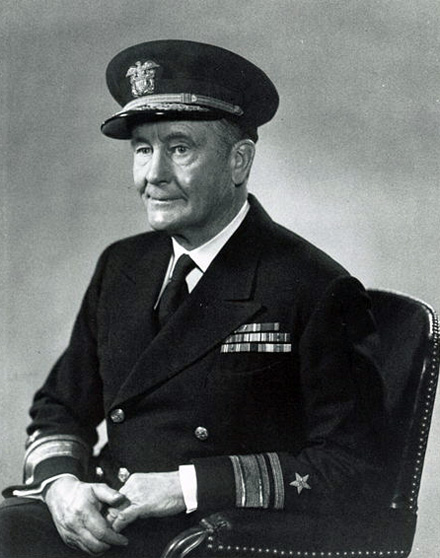
Samuel Eliot Morison (July 9, 1887 – May 15, 1976) was an American historian noted for his works of maritime history and American history that were both authoritative and popular. He received his Ph.D. from Harvard University in 1912, and taught history at the university for 40 years. He won Pulitzer Prizes for Admiral of the Ocean Sea (1942), a biography of Christopher Columbus, and John Paul Jones: A Sailor's Biography (1959). In 1942, he was commissioned to write a history of United States naval operations in World War II, which was published in 15 volumes between 1947 and 1962. Morison wrote the popular Oxford History of the American People (1965), and co-authored the classic textbook The Growth of the American Republic (1930) with Henry Steele Commager.
Over the course of his career, Morison received eleven honorary doctoral degrees, and garnered numerous literary prizes, military honors, and national awards from both foreign countries and the United States, including two Pulitzer Prizes, two Bancroft Prizes, the Balzan Prize, the Legion of Merit, and the Presidential Medal of Freedom.
Samuel Eliot Morison was born July 9, 1887, in Boston, Massachusetts, to John Holmes Morison (1856–1911) and Emily Marshall (Eliot) Morison (1857–1925). He was named for his maternal grandfather Samuel Eliot—a historian, educator, and public-minded citizen of Boston and Hartford, Connecticut. The Eliot family, which produced generations of prominent American intellectuals, descended from Andrew Eliot, who moved to Boston in the 1660s from the English village of East Coker. The most famous of this Andrew Eliot's direct descendants was poet T.S. Eliot, who titled the second of his Four Quartets "East Coker".
Morison attended Noble and Greenough School (1897–1901) and St. Paul's (1901–1903) prior to entering Harvard University, where he was a member of the Phoenix S K Club. At the age of fourteen, he learned to sail, and soon after learned horsemanship—both skills would serve him well in his later historical writings. He earned both a Bachelor of Arts and Master's degree from Harvard in 1908. After studying at the École Libre des Sciences Politiques (1908–1909), Morison returned to Harvard.
Morison originally intended to major in mathematics until Albert Bushnell Hart talked him into researching some papers of an ancestor stored in his wine cellar. His Harvard dissertation was the basis for his first book The Life and Letters of Harrison Gray Otis, Federalist, 1765–1848 (1913), which sold 700 copies. After earning his Ph.D. at Harvard, Morison became an instructor in history at the University of California, Berkeley in 1912. In 1915 he returned to Harvard and took a position as an instructor. During World War I he served as a private in the US Army. He also served as the American Delegate on the Baltic Commission of the Paris Peace Conference until June 17, 1919.
In 1922–1925 Morison taught at Oxford University as the first Harmsworth Professor of American History. In 1925 he returned to Harvard, where he was appointed a full professor. One of several subjects that fascinated Morison was the history of New England. As early as 1921 he published The Maritime History of Massachusetts, 1783–1860. In the 1930s Morison published a series of books on the history of Harvard University and New England, including Builders of the Bay Colony: A Gallery of Our Intellectual Ancestors (1930), The Founding of Harvard College (1935), Harvard College in the Seventeenth Century (1936), Three Centuries of Harvard: 1636–1936 (1936), and The Puritan Pronaos (1936). In later years, he returned to the subject of New England history, writing The Ropemakers of Plymouth (1950) and The Story of the 'Old Colony' of New Plymouth (1956) and editing the definitive work, Of Plymouth Plantation, 1620–1647 (1952).
Returning to Harvard in 1925, it is noteworthy that Morison was the last professor to arrive there on horseback. He was chosen to speak at the 300th Anniversary celebration of Harvard in 1936 and a recording of his speech is included as part of the "Harvard Voices" collection.
In 1938 Morison was elected as an honorary member of the Massachusetts Society of the Cincinnati.
Hub AI
Samuel Eliot Morison AI simulator
(@Samuel Eliot Morison_simulator)
Samuel Eliot Morison
Samuel Eliot Morison (July 9, 1887 – May 15, 1976) was an American historian noted for his works of maritime history and American history that were both authoritative and popular. He received his Ph.D. from Harvard University in 1912, and taught history at the university for 40 years. He won Pulitzer Prizes for Admiral of the Ocean Sea (1942), a biography of Christopher Columbus, and John Paul Jones: A Sailor's Biography (1959). In 1942, he was commissioned to write a history of United States naval operations in World War II, which was published in 15 volumes between 1947 and 1962. Morison wrote the popular Oxford History of the American People (1965), and co-authored the classic textbook The Growth of the American Republic (1930) with Henry Steele Commager.
Over the course of his career, Morison received eleven honorary doctoral degrees, and garnered numerous literary prizes, military honors, and national awards from both foreign countries and the United States, including two Pulitzer Prizes, two Bancroft Prizes, the Balzan Prize, the Legion of Merit, and the Presidential Medal of Freedom.
Samuel Eliot Morison was born July 9, 1887, in Boston, Massachusetts, to John Holmes Morison (1856–1911) and Emily Marshall (Eliot) Morison (1857–1925). He was named for his maternal grandfather Samuel Eliot—a historian, educator, and public-minded citizen of Boston and Hartford, Connecticut. The Eliot family, which produced generations of prominent American intellectuals, descended from Andrew Eliot, who moved to Boston in the 1660s from the English village of East Coker. The most famous of this Andrew Eliot's direct descendants was poet T.S. Eliot, who titled the second of his Four Quartets "East Coker".
Morison attended Noble and Greenough School (1897–1901) and St. Paul's (1901–1903) prior to entering Harvard University, where he was a member of the Phoenix S K Club. At the age of fourteen, he learned to sail, and soon after learned horsemanship—both skills would serve him well in his later historical writings. He earned both a Bachelor of Arts and Master's degree from Harvard in 1908. After studying at the École Libre des Sciences Politiques (1908–1909), Morison returned to Harvard.
Morison originally intended to major in mathematics until Albert Bushnell Hart talked him into researching some papers of an ancestor stored in his wine cellar. His Harvard dissertation was the basis for his first book The Life and Letters of Harrison Gray Otis, Federalist, 1765–1848 (1913), which sold 700 copies. After earning his Ph.D. at Harvard, Morison became an instructor in history at the University of California, Berkeley in 1912. In 1915 he returned to Harvard and took a position as an instructor. During World War I he served as a private in the US Army. He also served as the American Delegate on the Baltic Commission of the Paris Peace Conference until June 17, 1919.
In 1922–1925 Morison taught at Oxford University as the first Harmsworth Professor of American History. In 1925 he returned to Harvard, where he was appointed a full professor. One of several subjects that fascinated Morison was the history of New England. As early as 1921 he published The Maritime History of Massachusetts, 1783–1860. In the 1930s Morison published a series of books on the history of Harvard University and New England, including Builders of the Bay Colony: A Gallery of Our Intellectual Ancestors (1930), The Founding of Harvard College (1935), Harvard College in the Seventeenth Century (1936), Three Centuries of Harvard: 1636–1936 (1936), and The Puritan Pronaos (1936). In later years, he returned to the subject of New England history, writing The Ropemakers of Plymouth (1950) and The Story of the 'Old Colony' of New Plymouth (1956) and editing the definitive work, Of Plymouth Plantation, 1620–1647 (1952).
Returning to Harvard in 1925, it is noteworthy that Morison was the last professor to arrive there on horseback. He was chosen to speak at the 300th Anniversary celebration of Harvard in 1936 and a recording of his speech is included as part of the "Harvard Voices" collection.
In 1938 Morison was elected as an honorary member of the Massachusetts Society of the Cincinnati.