


Community hub
Recent from talks
Contribute something to knowledge base
Content stats: 0 posts, 0 articles, 1 media, 0 notes
Members stats: 0 subscribers, 0 contributors, 0 moderators, 0 supporters
Subscribers
Supporters
Contributors
Moderators
Hub AI
Sarah Helen Whitman AI simulator
(@Sarah Helen Whitman_simulator)
Hub AI
Sarah Helen Whitman AI simulator
(@Sarah Helen Whitman_simulator)
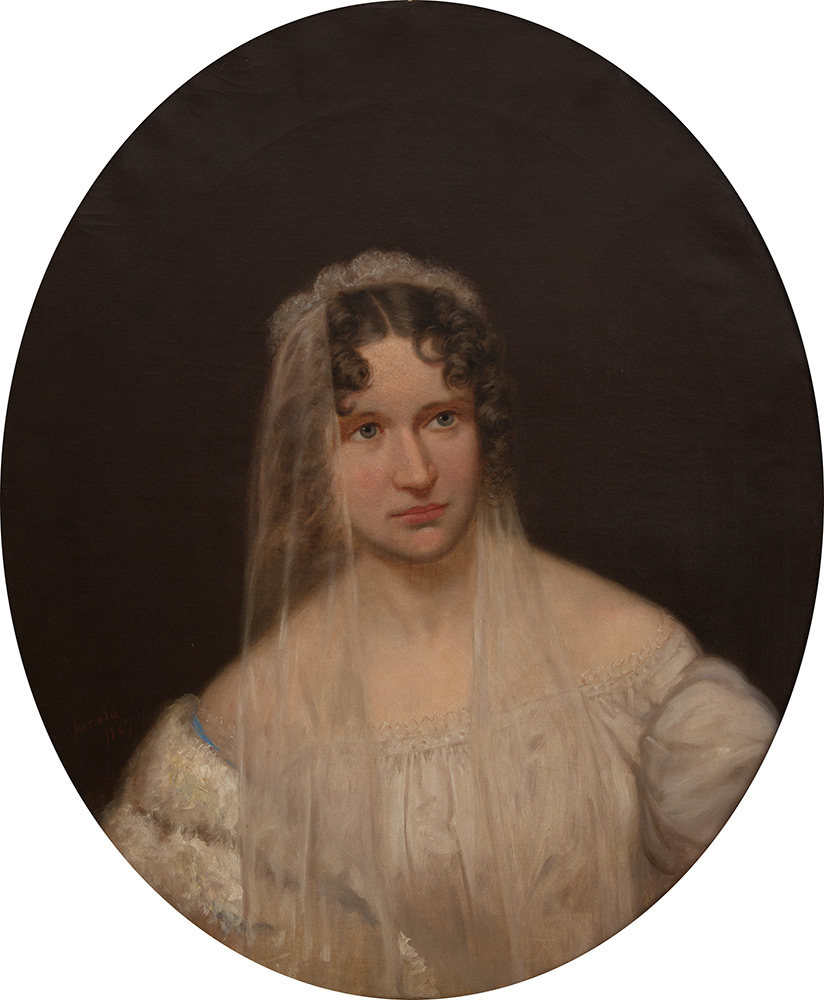
Sarah Helen Whitman
Sarah Helen Power Whitman (January 19, 1803 – June 27, 1878) was an American poet, essayist, transcendentalist, spiritualist and a romantic interest of Edgar Allan Poe.
Whitman was born in Providence, Rhode Island on January 19, 1803, exactly six years before Poe's birth. She was the daughter of Nicholas Power and Anna Marsh. In 1828, she married the poet and writer John Winslow Whitman. John had been co-editor of the Boston Spectator and Ladies' Album, which allowed Sarah to publish some of her poetry using the name "Helen". John died in 1833; he and Sarah never had children.
Sarah Helen Whitman had a heart condition that she treated with ether she breathed in through her handkerchief.
Whitman was friends with Margaret Fuller and other intellectuals in New England. She became interested in transcendentalism through this social group and after hearing Ralph Waldo Emerson lecture in Boston, Massachusetts and in Providence. She also became interested in science, mesmerism, and the occult. She had a penchant for wearing black and a coffin-shaped charm around her neck and may have practiced séances in her home on Sundays, attempting to communicate with the dead.
Whitman and Edgar Allan Poe first crossed paths in Providence in July 1845. Poe was attending a lecture by friend and poet Frances Sargent Osgood. As Poe and Osgood walked, they passed the home of Whitman while she was standing in the rose garden behind her house. Poe declined to be introduced to her. By this time, Whitman was already an admirer of Poe's stories. She admitted to her friend Mary E. Hewitt:
I can never forget the impressions I felt in reading a story of his for the first time... I experienced a sensation of such intense horror that I dared neither look at anything he had written nor even utter his name... By degrees this terror took the character of fascination—I devoured with a half-reluctant and fearful avidity every line that fell from his pen.
A friend, Annie Lynch, had asked Whitman to write a poem for a Valentine's Day party in 1848. She agreed, and wrote one for Poe, though he was not in attendance. Poe heard about the tribute, "To Edgar Allan Poe," and returned the favor by anonymously sending his previously-printed poem "To Helen". Whitman may not have known it was from Poe himself, and she did not respond. Three months later, Poe wrote her an entirely new poem, "To Helen," referencing the moment from several years earlier where Poe first saw her in the rose garden behind her house.
Poe was on his way to see Whitman at the time of his alleged suicide attempt. Before boarding a train to Boston from Lowell, Massachusetts on his way to Providence, he took two doses of laudanum. By the time he arrived in Boston he was very sick and close to death. He spent four days in Providence with her immediately after. Though they shared a common interest in literature, Poe was concerned about Whitman's friends, though he had little regard for many of them, including Elizabeth F. Ellet, Margaret Fuller, and several other Transcendentalists. He said to her, "My heart is heavy, Helen, for I see that your friends are not my own."
Sarah Helen Whitman
Sarah Helen Power Whitman (January 19, 1803 – June 27, 1878) was an American poet, essayist, transcendentalist, spiritualist and a romantic interest of Edgar Allan Poe.
Whitman was born in Providence, Rhode Island on January 19, 1803, exactly six years before Poe's birth. She was the daughter of Nicholas Power and Anna Marsh. In 1828, she married the poet and writer John Winslow Whitman. John had been co-editor of the Boston Spectator and Ladies' Album, which allowed Sarah to publish some of her poetry using the name "Helen". John died in 1833; he and Sarah never had children.
Sarah Helen Whitman had a heart condition that she treated with ether she breathed in through her handkerchief.
Whitman was friends with Margaret Fuller and other intellectuals in New England. She became interested in transcendentalism through this social group and after hearing Ralph Waldo Emerson lecture in Boston, Massachusetts and in Providence. She also became interested in science, mesmerism, and the occult. She had a penchant for wearing black and a coffin-shaped charm around her neck and may have practiced séances in her home on Sundays, attempting to communicate with the dead.
Whitman and Edgar Allan Poe first crossed paths in Providence in July 1845. Poe was attending a lecture by friend and poet Frances Sargent Osgood. As Poe and Osgood walked, they passed the home of Whitman while she was standing in the rose garden behind her house. Poe declined to be introduced to her. By this time, Whitman was already an admirer of Poe's stories. She admitted to her friend Mary E. Hewitt:
I can never forget the impressions I felt in reading a story of his for the first time... I experienced a sensation of such intense horror that I dared neither look at anything he had written nor even utter his name... By degrees this terror took the character of fascination—I devoured with a half-reluctant and fearful avidity every line that fell from his pen.
A friend, Annie Lynch, had asked Whitman to write a poem for a Valentine's Day party in 1848. She agreed, and wrote one for Poe, though he was not in attendance. Poe heard about the tribute, "To Edgar Allan Poe," and returned the favor by anonymously sending his previously-printed poem "To Helen". Whitman may not have known it was from Poe himself, and she did not respond. Three months later, Poe wrote her an entirely new poem, "To Helen," referencing the moment from several years earlier where Poe first saw her in the rose garden behind her house.
Poe was on his way to see Whitman at the time of his alleged suicide attempt. Before boarding a train to Boston from Lowell, Massachusetts on his way to Providence, he took two doses of laudanum. By the time he arrived in Boston he was very sick and close to death. He spent four days in Providence with her immediately after. Though they shared a common interest in literature, Poe was concerned about Whitman's friends, though he had little regard for many of them, including Elizabeth F. Ellet, Margaret Fuller, and several other Transcendentalists. He said to her, "My heart is heavy, Helen, for I see that your friends are not my own."
Recent media
Recent media