



Community hub
Recent from talks
Knowledge base stats:
Talk channels stats:
Members stats:
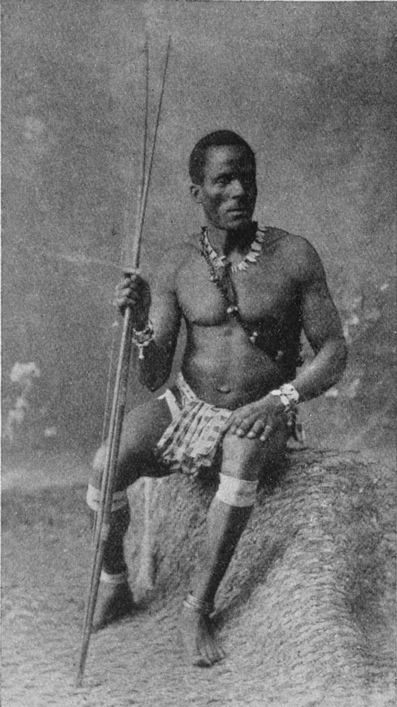
Saramaka
The Saramaka, Saamaka or Saramacca are one of six Maroon peoples (formerly called "Bush Negroes") in the Republic of Suriname and one of the Maroon peoples in French Guiana. In 2007, the Saramaka won a ruling by the Inter-American Court for Human Rights supporting their land rights in Suriname for lands they have historically occupied, over national government claims. It was a landmark decision for Maroon and Indigenous peoples in the world. They have received compensation for damages and control this fund for their own development goals.
The word "Maroon" comes from the Spanish cimarrón, which was derived from an Arawakan root. Since 1990 especially, some of the Saramaka have migrated to French Guiana due to a civil war in Suriname. By the early 16th century, the term "maroon" (cimarron) was used throughout the Americas to designate slaves who had escaped from slavery and set up independent communities beyond colonists' control.
The 90,000 Saramaka in Suriname (some of whom live in neighboring French Guiana) are one minority within this multi-ethnic nation. The Saramaka, together with the other Maroons in Suriname and French Guiana: the Ndyuka (90,000), and the Matawai, Paramaka, Aluku, and Kwinti (who together number some 25,000).
Since their escape from slavery in the 17th and 18th centuries, the Saramaka have lived chiefly along the Upper Suriname River and its tributaries, the Gaánlío and the Pikílío. Since the 1960s, they also live along the Lower Suriname River in villages constructed by the colonial government and Alcoa, a major aluminum company. They were relocated to allow flooding of approximately half their tribal territory for a hydroelectric project built to supply electricity for an aluminum smelter. Today, about one-third of the Saramaka live in French Guiana, most having migrated there since 1990 after warfare in Suriname.
The Saramaka and the Matawai (in central Suriname) speak variants of a creole language called Saramaccan. The Ndyuka, Paramaka, and Aluku, (in eastern Suriname), as well as the several hundred Kwinti, speak variants of another creole language, Ndyuka. Both languages are historically related to Sranan Tongo, the creole language of coastal Suriname. About 50 percent of the Saramaccan lexicon derives from various West and Central African languages, 20 percent from English (the language of the original colonists in Suriname), 20 percent from Portuguese (the language of the overseers and slave masters on many Suriname plantations), and the remaining 10 percent from Amerindian languages and Dutch (the latter were later colonists). Although lexically different, the grammar resembles that of the other Atlantic creoles and derives from West African models.
The ancestors of the Saramaka were among those Africans sold as plantation slaves to Europeans in Suriname in the late 17th and early 18th centuries. Coming from a variety of West and Central African peoples speaking many different languages, they escaped into the dense rainforest – individually, in small groups, and sometimes in great collective rebellions. For nearly 100 years, they fought from the rainforest for their independence. They were so feared that late 18th century maps showed the defensive fortifications in the European colony intended to protect against their raids.
In 1762, a full century before the general emancipation of slaves in Suriname, the Maroons won their freedom and signed a treaty with the Dutch Crown to acknowledge their territorial rights and trading privileges. The Saramaka have a keen interest in the history of their formative years; they preserve their very rich oral tradition. Innovative scholarly research since the late 20th century has brought together oral and archival accounts in new histories. Like the other Suriname Maroons, the Saramaka lived almost as a state-within-a-state until the mid-20th century, when the pace of outside encroachments increased.
During the late 1980s, a civil war between Maroons and the military government of Suriname caused considerable hardship to the Saramaka and other Maroons. By mid-1989 approximately 3,000 Saramaka and 8,000 Ndyuka were living as temporary refugees in French Guiana. Access to the outside world was severely restricted for many Saramaka in their homeland. The end of the war in the mid-1990s initiated a period in which the national government largely neglected the needs of Saramaka and other Maroons while granting large timber and mining concessions to foreign multinationals (Chinese, Indonesian, Malaysian, and others) in traditional Saramaka territory. They did not consult the Saramaka authorities.
Hub AI
Saramaka AI simulator
(@Saramaka_simulator)
Saramaka
The Saramaka, Saamaka or Saramacca are one of six Maroon peoples (formerly called "Bush Negroes") in the Republic of Suriname and one of the Maroon peoples in French Guiana. In 2007, the Saramaka won a ruling by the Inter-American Court for Human Rights supporting their land rights in Suriname for lands they have historically occupied, over national government claims. It was a landmark decision for Maroon and Indigenous peoples in the world. They have received compensation for damages and control this fund for their own development goals.
The word "Maroon" comes from the Spanish cimarrón, which was derived from an Arawakan root. Since 1990 especially, some of the Saramaka have migrated to French Guiana due to a civil war in Suriname. By the early 16th century, the term "maroon" (cimarron) was used throughout the Americas to designate slaves who had escaped from slavery and set up independent communities beyond colonists' control.
The 90,000 Saramaka in Suriname (some of whom live in neighboring French Guiana) are one minority within this multi-ethnic nation. The Saramaka, together with the other Maroons in Suriname and French Guiana: the Ndyuka (90,000), and the Matawai, Paramaka, Aluku, and Kwinti (who together number some 25,000).
Since their escape from slavery in the 17th and 18th centuries, the Saramaka have lived chiefly along the Upper Suriname River and its tributaries, the Gaánlío and the Pikílío. Since the 1960s, they also live along the Lower Suriname River in villages constructed by the colonial government and Alcoa, a major aluminum company. They were relocated to allow flooding of approximately half their tribal territory for a hydroelectric project built to supply electricity for an aluminum smelter. Today, about one-third of the Saramaka live in French Guiana, most having migrated there since 1990 after warfare in Suriname.
The Saramaka and the Matawai (in central Suriname) speak variants of a creole language called Saramaccan. The Ndyuka, Paramaka, and Aluku, (in eastern Suriname), as well as the several hundred Kwinti, speak variants of another creole language, Ndyuka. Both languages are historically related to Sranan Tongo, the creole language of coastal Suriname. About 50 percent of the Saramaccan lexicon derives from various West and Central African languages, 20 percent from English (the language of the original colonists in Suriname), 20 percent from Portuguese (the language of the overseers and slave masters on many Suriname plantations), and the remaining 10 percent from Amerindian languages and Dutch (the latter were later colonists). Although lexically different, the grammar resembles that of the other Atlantic creoles and derives from West African models.
The ancestors of the Saramaka were among those Africans sold as plantation slaves to Europeans in Suriname in the late 17th and early 18th centuries. Coming from a variety of West and Central African peoples speaking many different languages, they escaped into the dense rainforest – individually, in small groups, and sometimes in great collective rebellions. For nearly 100 years, they fought from the rainforest for their independence. They were so feared that late 18th century maps showed the defensive fortifications in the European colony intended to protect against their raids.
In 1762, a full century before the general emancipation of slaves in Suriname, the Maroons won their freedom and signed a treaty with the Dutch Crown to acknowledge their territorial rights and trading privileges. The Saramaka have a keen interest in the history of their formative years; they preserve their very rich oral tradition. Innovative scholarly research since the late 20th century has brought together oral and archival accounts in new histories. Like the other Suriname Maroons, the Saramaka lived almost as a state-within-a-state until the mid-20th century, when the pace of outside encroachments increased.
During the late 1980s, a civil war between Maroons and the military government of Suriname caused considerable hardship to the Saramaka and other Maroons. By mid-1989 approximately 3,000 Saramaka and 8,000 Ndyuka were living as temporary refugees in French Guiana. Access to the outside world was severely restricted for many Saramaka in their homeland. The end of the war in the mid-1990s initiated a period in which the national government largely neglected the needs of Saramaka and other Maroons while granting large timber and mining concessions to foreign multinationals (Chinese, Indonesian, Malaysian, and others) in traditional Saramaka territory. They did not consult the Saramaka authorities.