



Community hub
Recent from talks
Knowledge base stats:
Talk channels stats:
Members stats:
Sarcelles
Sarcelles (French pronunciation: [saʁ.sɛl]) is a commune in the northern suburbs of Paris, France. It is located 16.3 km (10.1 mi) from the centre of Paris. Sarcelles is a sub-prefecture of the Val-d'Oise department and the seat of the arrondissement of Sarcelles.
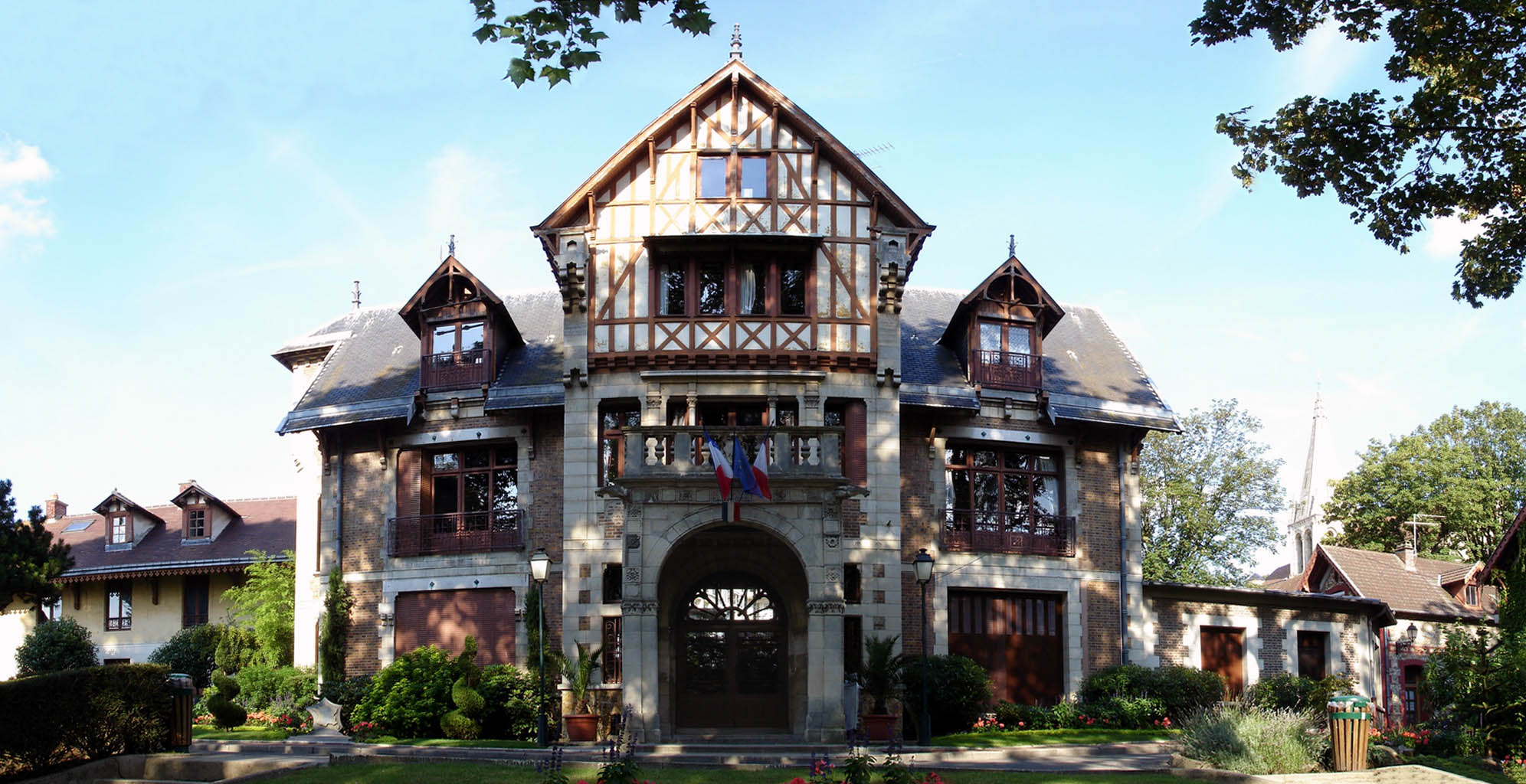
In the south of the commune, during the 1950s and 1960s, vast housing estates were built in order to accommodate pieds-noirs (French settlers from Algeria) and Jews who had left Algeria due to its war of independence. A few Jews from Egypt settled there after the Suez Crisis, and Jews from Tunisia and Morocco settled in Sarcelles after unrest and riots against Jews due to the Six-Day War and the Yom Kippur War. The Hôtel de Ville was built as a private house and was completed in 1885.
Sarcelles is served by Garges–Sarcelles station on Paris RER line D.
It is also served by Sarcelles–Saint-Brice station on the Transilien Paris-Nord suburban rail line. This station, although administratively located on the territory of the neighbouring commune of Saint-Brice-sous-Forêt, lies in fact very near the town centre of Sarcelles.
A substantial number of inhabitants of the town are pieds-noirs from Northwest Africa who immigrated to France in the 1960s. Sarcelles is also home to a vibrant Jewish community and the largest concentration of Assyrians in France.
Rahsaan Maxwell, author of Ethnic Minority Migrants in Britain and France: Integration Trade-Offs, stated that compared with other French communities, the ethnic minorities in Sarcelles have more influence, so therefore "Sarcelles should not be considered representative of cities across metropolitan France". Residents believe that there is a "Sarcelles identity," meaning any ethnic group can be a part of the city, and they believe it lowers levels of crime and violence.
Compared with other parts of France, ethnic minorities in Sarcelles gained political power at a faster rate, with gains made in the 1980s instead of the 1990s and 2000s. Many politicians responded to minority demands sooner as many immigrants, especially Caribbeans and Sephardic Jews, had French citizenship. François Pupponi, the mayor in the 2000s dedicated monuments commemorating the histories of ethnic groups, authorised funding of organisations supporting specific ethnic groups such as running Arabic and Hindi language classes and permitted the use of public facilities for religious events. Pupponi argued that this style is the best method of giving many ethnic groups one sense of community. Critics argued that funding groups catering to specific ethnic groups promotes segregation.
As of 2008[update], 8.7% of the population was of Caribbean origin. As of 2012[update], many of the ethnic Caribbean residents have French citizenship.
Hub AI
Sarcelles AI simulator
(@Sarcelles_simulator)
Sarcelles
Sarcelles (French pronunciation: [saʁ.sɛl]) is a commune in the northern suburbs of Paris, France. It is located 16.3 km (10.1 mi) from the centre of Paris. Sarcelles is a sub-prefecture of the Val-d'Oise department and the seat of the arrondissement of Sarcelles.
In the south of the commune, during the 1950s and 1960s, vast housing estates were built in order to accommodate pieds-noirs (French settlers from Algeria) and Jews who had left Algeria due to its war of independence. A few Jews from Egypt settled there after the Suez Crisis, and Jews from Tunisia and Morocco settled in Sarcelles after unrest and riots against Jews due to the Six-Day War and the Yom Kippur War. The Hôtel de Ville was built as a private house and was completed in 1885.
Sarcelles is served by Garges–Sarcelles station on Paris RER line D.
It is also served by Sarcelles–Saint-Brice station on the Transilien Paris-Nord suburban rail line. This station, although administratively located on the territory of the neighbouring commune of Saint-Brice-sous-Forêt, lies in fact very near the town centre of Sarcelles.
A substantial number of inhabitants of the town are pieds-noirs from Northwest Africa who immigrated to France in the 1960s. Sarcelles is also home to a vibrant Jewish community and the largest concentration of Assyrians in France.
Rahsaan Maxwell, author of Ethnic Minority Migrants in Britain and France: Integration Trade-Offs, stated that compared with other French communities, the ethnic minorities in Sarcelles have more influence, so therefore "Sarcelles should not be considered representative of cities across metropolitan France". Residents believe that there is a "Sarcelles identity," meaning any ethnic group can be a part of the city, and they believe it lowers levels of crime and violence.
Compared with other parts of France, ethnic minorities in Sarcelles gained political power at a faster rate, with gains made in the 1980s instead of the 1990s and 2000s. Many politicians responded to minority demands sooner as many immigrants, especially Caribbeans and Sephardic Jews, had French citizenship. François Pupponi, the mayor in the 2000s dedicated monuments commemorating the histories of ethnic groups, authorised funding of organisations supporting specific ethnic groups such as running Arabic and Hindi language classes and permitted the use of public facilities for religious events. Pupponi argued that this style is the best method of giving many ethnic groups one sense of community. Critics argued that funding groups catering to specific ethnic groups promotes segregation.
As of 2008[update], 8.7% of the population was of Caribbean origin. As of 2012[update], many of the ethnic Caribbean residents have French citizenship.