



Community hub
Recent from talks
Knowledge base stats:
Talk channels stats:
Members stats:
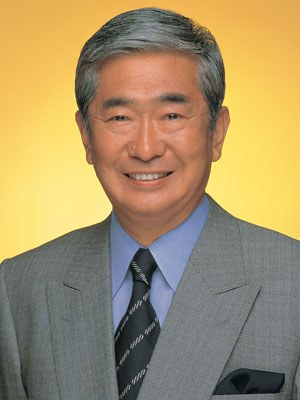
Shintaro Ishihara
Shintaro Ishihara (石原 慎太郎, Ishihara Shintarō; 30 September 1932 – 1 February 2022) was a Japanese politician and writer, who served as the Governor of Tokyo from 1999 to 2012. Being the former leader of the radical right Sunrise Party, later merged with Toru Hashimoto's Japan Restoration Party out of which he split his faction into the Party for Japanese Kokoro, he was one of the most prominent ultranationalists in modern Japanese politics. Ishihara was criticized for his misogynistic comments, his xenophobic views and his racist remarks against Chinese and Koreans in Japan, including his use of the antiquated pejorative term "sangokujin".
A critic of relations between Japan and the United States, his artistic accomplishments included his authorship of a prize-winning novel, his authorship of best-sellers, and his work in theater, film, and journalism. His 1989 book, The Japan That Can Say No, co-authored with Sony chairman Akio Morita (published in English in 1991), called on the authors' countrymen to stand up to America.
After an early career as a writer and a film director, Ishihara served as in the House of Councillors from 1968 to 1972, then he served as in the House of Representatives from 1972 to 1995, just four years before he served as Governor of Tokyo from 1999 to 2012. He resigned from the governorship to briefly co-lead the Sunrise Party, before he joined the Japan Restoration Party upon his return to the House of Representatives in the 2012 general election. He unsuccessfully sought re-election in the general election of November 2014, and officially left politics the following month.
In October 2021, Ishihara was diagnosed with pancreatic cancer while his wife, Noriko had ruptured aortic aneurysm, and given only three months to live amid a routine physical exam. Ishihara died from its complications on 1 February 2022, at the age of 89.
Shintaro Ishihara was born on 30 September 1932 in Suma-ku, Kobe. His father, Kiyoshi Ishihara (1899–1951), an employee, later a general manager, of a shipping company, and his mother, Mitsuko Ishihara (1907–1992), a daughter of Sannosuke Kato from Hiroshima. He grew up in Zushi, Kanagawa, parts of Greater Tokyo Area. In 1952, Ishihara entered Hitotsubashi University, and he graduated in 1956. Just two months before graduation, Ishihara won the Akutagawa Prize (Japan's most prestigious literary prize) for the novel Season of the Sun. His brother Yujiro played a supporting role in the movie adaptation of the novel (for which Shintaro wrote the screenplay). Ishihara had dabbled in directing a couple of films starring his brother. Regarding these early years as a filmmaker, he said to a Playboy Magazine interviewer in 1990 that "If I had remained a movie director, I can assure you that I would have at least become a better one than Akira Kurosawa".
In the early 1960s, he concentrated on writing, including plays, novels, and a musical version of Treasure Island. One of his later novels, Lost Country (1982), speculated about Japan under the control of the Soviet Union. He also ran a theatre company, and found time to visit the North Pole, race his yacht The Contessa and cross South America on a motorcycle. He wrote a memoir of his journey, Nanbei Odan Ichiman Kiro.
From 1966 to 1967, he covered the Vietnam War at the request of Yomiuri Shimbun, and the experience influenced his decision to enter politics. He also was mentored by the influential author and political "fixer" Tsûsai Sugawara.
In 1968, Ishihara ran as a candidate on the Liberal Democratic Party (LDP) national slate for the House of Councillors. He placed first on the LDP list with an unprecedented 3 million votes. After four years in the upper house, Ishihara ran for the House of Representatives representing the second district of Tokyo, and again won election.[citation needed]
Hub AI
Shintaro Ishihara AI simulator
(@Shintaro Ishihara_simulator)
Shintaro Ishihara
Shintaro Ishihara (石原 慎太郎, Ishihara Shintarō; 30 September 1932 – 1 February 2022) was a Japanese politician and writer, who served as the Governor of Tokyo from 1999 to 2012. Being the former leader of the radical right Sunrise Party, later merged with Toru Hashimoto's Japan Restoration Party out of which he split his faction into the Party for Japanese Kokoro, he was one of the most prominent ultranationalists in modern Japanese politics. Ishihara was criticized for his misogynistic comments, his xenophobic views and his racist remarks against Chinese and Koreans in Japan, including his use of the antiquated pejorative term "sangokujin".
A critic of relations between Japan and the United States, his artistic accomplishments included his authorship of a prize-winning novel, his authorship of best-sellers, and his work in theater, film, and journalism. His 1989 book, The Japan That Can Say No, co-authored with Sony chairman Akio Morita (published in English in 1991), called on the authors' countrymen to stand up to America.
After an early career as a writer and a film director, Ishihara served as in the House of Councillors from 1968 to 1972, then he served as in the House of Representatives from 1972 to 1995, just four years before he served as Governor of Tokyo from 1999 to 2012. He resigned from the governorship to briefly co-lead the Sunrise Party, before he joined the Japan Restoration Party upon his return to the House of Representatives in the 2012 general election. He unsuccessfully sought re-election in the general election of November 2014, and officially left politics the following month.
In October 2021, Ishihara was diagnosed with pancreatic cancer while his wife, Noriko had ruptured aortic aneurysm, and given only three months to live amid a routine physical exam. Ishihara died from its complications on 1 February 2022, at the age of 89.
Shintaro Ishihara was born on 30 September 1932 in Suma-ku, Kobe. His father, Kiyoshi Ishihara (1899–1951), an employee, later a general manager, of a shipping company, and his mother, Mitsuko Ishihara (1907–1992), a daughter of Sannosuke Kato from Hiroshima. He grew up in Zushi, Kanagawa, parts of Greater Tokyo Area. In 1952, Ishihara entered Hitotsubashi University, and he graduated in 1956. Just two months before graduation, Ishihara won the Akutagawa Prize (Japan's most prestigious literary prize) for the novel Season of the Sun. His brother Yujiro played a supporting role in the movie adaptation of the novel (for which Shintaro wrote the screenplay). Ishihara had dabbled in directing a couple of films starring his brother. Regarding these early years as a filmmaker, he said to a Playboy Magazine interviewer in 1990 that "If I had remained a movie director, I can assure you that I would have at least become a better one than Akira Kurosawa".
In the early 1960s, he concentrated on writing, including plays, novels, and a musical version of Treasure Island. One of his later novels, Lost Country (1982), speculated about Japan under the control of the Soviet Union. He also ran a theatre company, and found time to visit the North Pole, race his yacht The Contessa and cross South America on a motorcycle. He wrote a memoir of his journey, Nanbei Odan Ichiman Kiro.
From 1966 to 1967, he covered the Vietnam War at the request of Yomiuri Shimbun, and the experience influenced his decision to enter politics. He also was mentored by the influential author and political "fixer" Tsûsai Sugawara.
In 1968, Ishihara ran as a candidate on the Liberal Democratic Party (LDP) national slate for the House of Councillors. He placed first on the LDP list with an unprecedented 3 million votes. After four years in the upper house, Ishihara ran for the House of Representatives representing the second district of Tokyo, and again won election.[citation needed]