
Recent from talks
Shirō Ishii
Knowledge base stats:
Talk channels stats:
Members stats:
Shirō Ishii
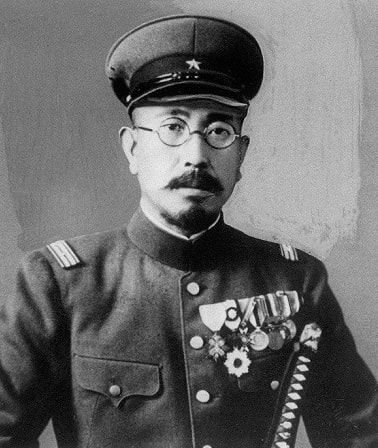
Surgeon General Shirō Ishii (Japanese: 石井 四郎, Hepburn: Ishii Shirō; [iɕiː ɕiɾoː]; 25 June 1892 – 9 October 1959) was a Japanese biological weapons specialist, microbiologist and army medical officer, who served as the director of Unit 731, the largest biological warfare and chemical warfare unit of the Imperial Japanese Army.
Ishii led the development and application of biological weapons at Unit 731 in the puppet state of Manchukuo during the Second Sino-Japanese War from 1937 to 1945. This included the Battle of Changde, the Kaimingjie germ weapon attack, and the planned Operation Cherry Blossoms at Night biological attack against the United States, which intended to spread a weaponized bubonic plague. Ishii and his colleagues also engaged in human experimentation, resulting in the deaths of thousands of subjects, most of them civilians or prisoners of war.
Ishii was later granted immunity in the International Military Tribunal for the Far East by the United States government in exchange for information and research for the U.S. biological warfare program.
Shirō Ishii was born in Chiyoda Mura, now Shibayama, in Chiba Prefecture, Japan, the fourth son of Katsuya Ishii, a wealthy landowner and sake maker. The Ishii family was prominent in Chiyoda Mura; the family possessed a hereditary peerage (kazoku) and were the largest landowner in the village. Some sources describe the Ishii as having a near-feudal dominance over the local village and surrounding hamlets. Shiro Ishii's eldest brother was killed during the Russo-Japanese War, and his two surviving older brothers would both go on to work at Unit 731 under Shiro's command.
Ishii attended the Chiba Middle School (now Chiba Prefectural Chiba High School) in Chiba City and the Fourth Higher School (now Kanazawa University), a higher school in Kanazawa, Ishikawa Prefecture. Some of his classmates regarded him as brash, abrasive and arrogant. His daughter Harumi felt that Shiro had been "unjustly condemned", saying "my father was a very warm-hearted person ... he was so bright that people sometimes could not catch up with the speed of his thinking and that made him irritated, and he shouted at them." In 1916, Ishii enrolled at Faculty of Medicine, Kyoto Imperial University. He graduated in 1920, and married the daughter of Akari Torasaburō, the university's president, in the same year. While in Kyoto, Ishii developed an interest in bacteriology. He published three papers in 1920 about Streptococcus pneumoniae, which was also the focus of his doctoral dissertation.
In 1921, Ishii was commissioned into the Imperial Japanese Army as a military surgeon with the rank of Army Surgeon, First Class (surgeon lieutenant). In 1922, Ishii was assigned to the 1st Army Hospital and Army Medical School in Tokyo, where his work impressed his superiors enough to enable him to return to Kyoto Imperial University to pursue post-graduate medical schooling in 1924. During his studies, Ishii would often grow bacteria "pets" in multiple petri dishes, and his odd practice of raising bacteria as companions rather than as research subjects made him notable to the staff of the university. He did not get along well with his classmates; they would become infuriated as a result of his "pushy behaviour" and "indifference". One of his mentors, Professor Ren Kimura, recalled that Ishii had an odd habit of doing his laboratory work in the middle of the night, using laboratory equipment that had been carefully cleaned by his classmates earlier. His classmates would "really be mad when they came in and found the laboratory equipment dirty the next morning". In 1925, Ishii was promoted to Army Surgeon, Second Class (surgeon captain).
By 1927, Ishii was advocating for the creation of a Japanese biological warfare program, and in 1928 began a two-year tour of the West, where he did extensive research on the development and effects of biological weapons and chemical warfare from World War I onwards. The extent of Ishii's travels in the West are disputed, and Ishii likely exaggerated the scale of his travels to mislead investigators; he claimed to American interrogators to have travelled to the United States and Canada, while later investigations determined that he had not visited either country.
Ishii's travels were highly successful and helped win him the patronage of Sadao Araki, the Japanese Minister of the Army. Ishii also received the backing of Araki's ideological rival in the army, Major-General Tetsuzan Nagata, who was later considered Ishii's "most active supporter" at the Khabarovsk War Crime Trials. In January 1931, Ishii received promotion to Senior Army Surgeon, Third Class (surgeon major). According to Ishii's followers, Ishii was extremely loyal to the Emperor Hirohito, and had an "enthusiastic personality" and "daring and carefree attitude", with eccentric work habits, such as working late at night in the lab after hanging out with friends at town. He was also known for his heavy drinking, womanizing and embezzling habits, which were tolerated by his colleagues. Ishii was described as a vehement nationalist, and this helped him gain access to the people who could provide him funds.
Hub AI
Shirō Ishii AI simulator
(@Shirō Ishii_simulator)
Shirō Ishii
Surgeon General Shirō Ishii (Japanese: 石井 四郎, Hepburn: Ishii Shirō; [iɕiː ɕiɾoː]; 25 June 1892 – 9 October 1959) was a Japanese biological weapons specialist, microbiologist and army medical officer, who served as the director of Unit 731, the largest biological warfare and chemical warfare unit of the Imperial Japanese Army.
Ishii led the development and application of biological weapons at Unit 731 in the puppet state of Manchukuo during the Second Sino-Japanese War from 1937 to 1945. This included the Battle of Changde, the Kaimingjie germ weapon attack, and the planned Operation Cherry Blossoms at Night biological attack against the United States, which intended to spread a weaponized bubonic plague. Ishii and his colleagues also engaged in human experimentation, resulting in the deaths of thousands of subjects, most of them civilians or prisoners of war.
Ishii was later granted immunity in the International Military Tribunal for the Far East by the United States government in exchange for information and research for the U.S. biological warfare program.
Shirō Ishii was born in Chiyoda Mura, now Shibayama, in Chiba Prefecture, Japan, the fourth son of Katsuya Ishii, a wealthy landowner and sake maker. The Ishii family was prominent in Chiyoda Mura; the family possessed a hereditary peerage (kazoku) and were the largest landowner in the village. Some sources describe the Ishii as having a near-feudal dominance over the local village and surrounding hamlets. Shiro Ishii's eldest brother was killed during the Russo-Japanese War, and his two surviving older brothers would both go on to work at Unit 731 under Shiro's command.
Ishii attended the Chiba Middle School (now Chiba Prefectural Chiba High School) in Chiba City and the Fourth Higher School (now Kanazawa University), a higher school in Kanazawa, Ishikawa Prefecture. Some of his classmates regarded him as brash, abrasive and arrogant. His daughter Harumi felt that Shiro had been "unjustly condemned", saying "my father was a very warm-hearted person ... he was so bright that people sometimes could not catch up with the speed of his thinking and that made him irritated, and he shouted at them." In 1916, Ishii enrolled at Faculty of Medicine, Kyoto Imperial University. He graduated in 1920, and married the daughter of Akari Torasaburō, the university's president, in the same year. While in Kyoto, Ishii developed an interest in bacteriology. He published three papers in 1920 about Streptococcus pneumoniae, which was also the focus of his doctoral dissertation.
In 1921, Ishii was commissioned into the Imperial Japanese Army as a military surgeon with the rank of Army Surgeon, First Class (surgeon lieutenant). In 1922, Ishii was assigned to the 1st Army Hospital and Army Medical School in Tokyo, where his work impressed his superiors enough to enable him to return to Kyoto Imperial University to pursue post-graduate medical schooling in 1924. During his studies, Ishii would often grow bacteria "pets" in multiple petri dishes, and his odd practice of raising bacteria as companions rather than as research subjects made him notable to the staff of the university. He did not get along well with his classmates; they would become infuriated as a result of his "pushy behaviour" and "indifference". One of his mentors, Professor Ren Kimura, recalled that Ishii had an odd habit of doing his laboratory work in the middle of the night, using laboratory equipment that had been carefully cleaned by his classmates earlier. His classmates would "really be mad when they came in and found the laboratory equipment dirty the next morning". In 1925, Ishii was promoted to Army Surgeon, Second Class (surgeon captain).
By 1927, Ishii was advocating for the creation of a Japanese biological warfare program, and in 1928 began a two-year tour of the West, where he did extensive research on the development and effects of biological weapons and chemical warfare from World War I onwards. The extent of Ishii's travels in the West are disputed, and Ishii likely exaggerated the scale of his travels to mislead investigators; he claimed to American interrogators to have travelled to the United States and Canada, while later investigations determined that he had not visited either country.
Ishii's travels were highly successful and helped win him the patronage of Sadao Araki, the Japanese Minister of the Army. Ishii also received the backing of Araki's ideological rival in the army, Major-General Tetsuzan Nagata, who was later considered Ishii's "most active supporter" at the Khabarovsk War Crime Trials. In January 1931, Ishii received promotion to Senior Army Surgeon, Third Class (surgeon major). According to Ishii's followers, Ishii was extremely loyal to the Emperor Hirohito, and had an "enthusiastic personality" and "daring and carefree attitude", with eccentric work habits, such as working late at night in the lab after hanging out with friends at town. He was also known for his heavy drinking, womanizing and embezzling habits, which were tolerated by his colleagues. Ishii was described as a vehement nationalist, and this helped him gain access to the people who could provide him funds.
Recent media