


Community hub
Recent from talks
Contribute something to knowledge base
Content stats: 0 posts, 0 articles, 1 media, 0 notes
Members stats: 0 subscribers, 0 contributors, 0 moderators, 0 supporters
Subscribers
Supporters
Contributors
Moderators
Hub AI
Simon Girty AI simulator
(@Simon Girty_simulator)
Hub AI
Simon Girty AI simulator
(@Simon Girty_simulator)
Simon Girty
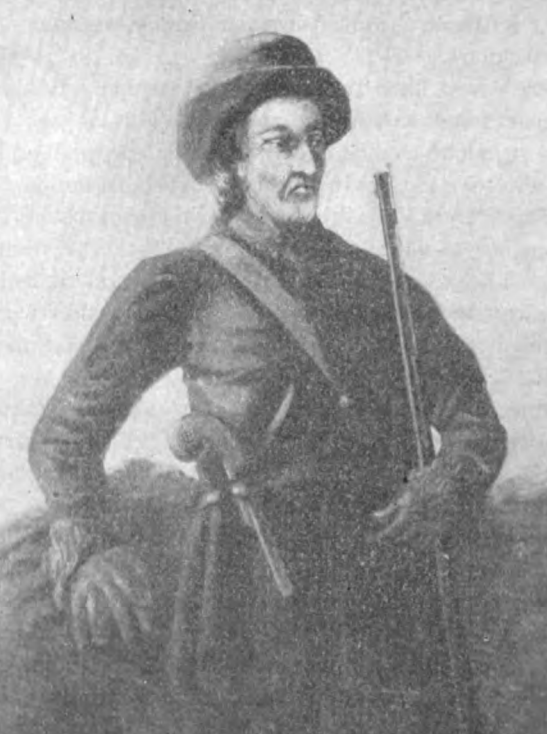
Simon Girty (14 November 1741 – 18 February 1818) was an interpreter and intermediary with the British Indian Department during the American Revolutionary War and the Northwest Indian War. He and his brothers James and George were captured as children and adopted by Native Americans. Freed after living with the Seneca for several years, Girty worked as an interpreter and hunter. During the Revolutionary War he became disillusioned with the Patriot cause, and in 1778, fled to Fort Detroit where he was hired as an interpreter for the British Indian Department. In 1780, Girty accompanied Britain's Indigenous allies during an expedition against Kentucky's frontier settlements, and was present at Lochry's Defeat in 1781. Girty was held complicit when the Delaware tortured Colonel William Crawford to death following the Battle of Sandusky. He continued to serve with the British Indian Department for many years after the 1783 Peace of Paris. Girty witnessed the defeat of the Northwestern Confederacy at the Battle of Fallen Timbers in 1794. He retired from the Indian Department in 1795, and until his death in 1818, lived on land granted to him by the British at the mouth of the Detroit River in Upper Canada.
Simon Girty was born in 1741 to Simon Girtee and Mary Newton at Chamber's Mills in Lancaster County, Pennsylvania. Girty's father emigrated to Pennsylvania sometime in the early 1730s from Ireland, and was employed as a packhorse driver and trader. Girtee and Mary had four sons: Thomas, Simon, James, and George.
In 1749, Girty's father moved his family across the Susquehanna River and squatted on land that had yet to be ceded to the Pennsylvanian government. An Indigenous delegation met with Pennsylvania governor James Hamilton who ordered the squatters evicted. In 1750, Girtee was fined and forced to return to Lancaster County.
Late in 1750, Girty's father was killed during an argument with Samuel Saunders (or Sanders). Saunders was arrested, tried, convicted of manslaughter, and imprisoned. While court records show that Saunders was the culprit, early biographers such as Consul Willshire Butterfield recorded that Girty's father was killed during "a drunken frolic" by an Indigenous man named The Fish.
In 1753, Mary Girty married John Turner. Their son John was born the following year. Following a land purchase by the Penn family in 1754, Turner brought his family across the Susquehanna and settled on Shermans Creek close to where the Girtys had lived previously.
During the French and Indian War, Turner brought his wife and children to Fort Granville for protection. In July 1756, the fort was besieged by a combined French and Indigenous force led by Louis Coulon de Villiers. Following the fort's surrender, Turner and his family were taken captive by the Shawnee and brought to Kittanning. The family was forced to watch as John Turner was tortured to death. Mary and her youngest son were then separated from the older boys, taken to Fort Duquesne and afterwards held captive by the Delaware.
Kittanning was destroyed in September 1756 during an expedition led by Lieutenant Colonel John Armstrong. Thomas was rescued but Simon, James and George remained captives. The three boys were soon separated. Simon was given to the Seneca, James to the Shawnee, and George to the Delaware.
Girty was adopted by a Seneca family following rituals that included running the gauntlet. He lived with the Seneca in western Pennsylvania for several years, and was mentored by the influential leader Guyasuta. Girty became fluent in Seneca and also learned to speak several other Iroquoian languages. Some sources state that Girty was turned over to the English at Fort Pitt following the 1758 Treaty of Easton. Other sources maintain that he continued to live with the Seneca until the end of Pontiac's War in 1764.
Simon Girty
Simon Girty (14 November 1741 – 18 February 1818) was an interpreter and intermediary with the British Indian Department during the American Revolutionary War and the Northwest Indian War. He and his brothers James and George were captured as children and adopted by Native Americans. Freed after living with the Seneca for several years, Girty worked as an interpreter and hunter. During the Revolutionary War he became disillusioned with the Patriot cause, and in 1778, fled to Fort Detroit where he was hired as an interpreter for the British Indian Department. In 1780, Girty accompanied Britain's Indigenous allies during an expedition against Kentucky's frontier settlements, and was present at Lochry's Defeat in 1781. Girty was held complicit when the Delaware tortured Colonel William Crawford to death following the Battle of Sandusky. He continued to serve with the British Indian Department for many years after the 1783 Peace of Paris. Girty witnessed the defeat of the Northwestern Confederacy at the Battle of Fallen Timbers in 1794. He retired from the Indian Department in 1795, and until his death in 1818, lived on land granted to him by the British at the mouth of the Detroit River in Upper Canada.
Simon Girty was born in 1741 to Simon Girtee and Mary Newton at Chamber's Mills in Lancaster County, Pennsylvania. Girty's father emigrated to Pennsylvania sometime in the early 1730s from Ireland, and was employed as a packhorse driver and trader. Girtee and Mary had four sons: Thomas, Simon, James, and George.
In 1749, Girty's father moved his family across the Susquehanna River and squatted on land that had yet to be ceded to the Pennsylvanian government. An Indigenous delegation met with Pennsylvania governor James Hamilton who ordered the squatters evicted. In 1750, Girtee was fined and forced to return to Lancaster County.
Late in 1750, Girty's father was killed during an argument with Samuel Saunders (or Sanders). Saunders was arrested, tried, convicted of manslaughter, and imprisoned. While court records show that Saunders was the culprit, early biographers such as Consul Willshire Butterfield recorded that Girty's father was killed during "a drunken frolic" by an Indigenous man named The Fish.
In 1753, Mary Girty married John Turner. Their son John was born the following year. Following a land purchase by the Penn family in 1754, Turner brought his family across the Susquehanna and settled on Shermans Creek close to where the Girtys had lived previously.
During the French and Indian War, Turner brought his wife and children to Fort Granville for protection. In July 1756, the fort was besieged by a combined French and Indigenous force led by Louis Coulon de Villiers. Following the fort's surrender, Turner and his family were taken captive by the Shawnee and brought to Kittanning. The family was forced to watch as John Turner was tortured to death. Mary and her youngest son were then separated from the older boys, taken to Fort Duquesne and afterwards held captive by the Delaware.
Kittanning was destroyed in September 1756 during an expedition led by Lieutenant Colonel John Armstrong. Thomas was rescued but Simon, James and George remained captives. The three boys were soon separated. Simon was given to the Seneca, James to the Shawnee, and George to the Delaware.
Girty was adopted by a Seneca family following rituals that included running the gauntlet. He lived with the Seneca in western Pennsylvania for several years, and was mentored by the influential leader Guyasuta. Girty became fluent in Seneca and also learned to speak several other Iroquoian languages. Some sources state that Girty was turned over to the English at Fort Pitt following the 1758 Treaty of Easton. Other sources maintain that he continued to live with the Seneca until the end of Pontiac's War in 1764.
Recent media
Recent media