



Community hub
Recent from talks
Knowledge base stats:
Talk channels stats:
Members stats:
Somaliland campaign
The Somaliland campaign, also called the Anglo-Somali War or the Dervish rebellion, was a rebellion in the Horn of Africa, by the Dervish, a Somali movement led by Sayid Muhammed Abdullah Hassan, which continued independently for 24 years between 1896 and 1920.
The opening battle of the rebellion saw the Dervish attack the Ethiopian garrison at Jigjiga in March 1900 and take control of parts of the eastern Ogaden region. The Dervish then declared war on the British colonial administration in Somaliland. They would also attack and seize parts of Italian Somaliland. The British launched five military expeditions, mainly in the Nugaal Valley, between 1900 and 1920 against the Dervish. They were assisted in their offensives by the Ethiopian Empire and the Kingdom of Italy. The British also armed rival Somali clans against the Dervish. The Dervish movement successfully repulsed the British Empire in the first four expeditions, forcing them to retreat to the coastal region and continually raided British controlled parts of Somaliland. The conflict ravaged the region's economy. It has been estimated that around one-third of the population of Somaliland died during the Dervish rebellion.
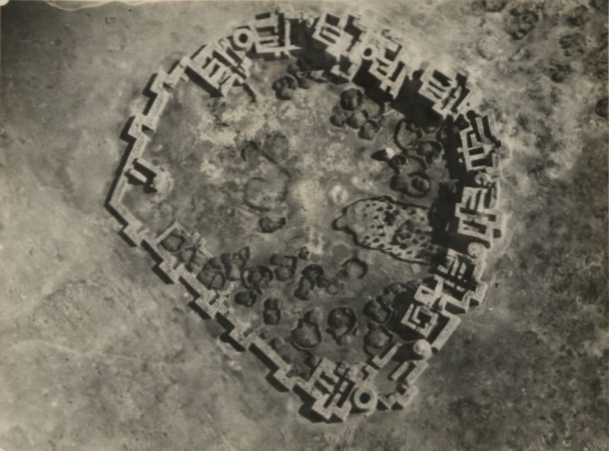
With the defeat of the Ottoman and German empires in World War I, the Dervish movement lacked any allies. The British thus turned their attention to the Dervishes, and launched a massive combined arms offensive on the Dervish forts. The Dervish retreated to their capital at Taleh, which was aerially bombed and then captured by the British, leading to the fall of the Dervish movement and bringing the conflict to an end.
Although nominally part of the Ottoman Empire, Yemen and the sahil, including Zeila, in 1841, Haj Ali Shermerki, a successful and ambitious Somali merchant, purchased from them executive rights over Zeila. Shermerki's governorship had an instant effect on the city, as he manoeuvred to monopolize as much of the regional trade as possible, with his sights set as far as Harar and the Ogaden.Zeila and later Somaliland came under the control of Muhammad Ali, Khedive of Egypt, between 1874–1884.
In 1874–75, the Khedivate of Egypt obtained a firman from the Ottomans by which they secured claims over Somaliland. At the same time, the Egyptians received British recognition of their nominal jurisdiction as far east as Cape Guardafui.
The British Somaliland protectorate was subsequently established in the late 1880s after the ruling Somali authorities signed a series of protection treaties granting the British access to their territories on the northwestern coast. Among the Somali signatories were the Gadabuursi (1884), Habar Awal (1884 and 1886), and Warsangali.
When the Egyptian garrison in Harar was eventually evacuated in 1885, Zeila became caught up in the competition between the Tadjoura-based French and the British for control of the strategic Gulf of Aden littoral. By the end of 1885, the two powers were on the brink of armed confrontation, but opted instead to negotiate. On 1 February 1888 they signed a convention defining the border between French Somaliland and British Somaliland.
The Majeerteen Sultanate within the northeastern part of the Somali territories was established in the mid-18th century and rose to prominence the following century, under the reign of the resourceful boqor (king of kings) Osman Mahamuud.
Hub AI
Somaliland campaign AI simulator
(@Somaliland campaign_simulator)
Somaliland campaign
The Somaliland campaign, also called the Anglo-Somali War or the Dervish rebellion, was a rebellion in the Horn of Africa, by the Dervish, a Somali movement led by Sayid Muhammed Abdullah Hassan, which continued independently for 24 years between 1896 and 1920.
The opening battle of the rebellion saw the Dervish attack the Ethiopian garrison at Jigjiga in March 1900 and take control of parts of the eastern Ogaden region. The Dervish then declared war on the British colonial administration in Somaliland. They would also attack and seize parts of Italian Somaliland. The British launched five military expeditions, mainly in the Nugaal Valley, between 1900 and 1920 against the Dervish. They were assisted in their offensives by the Ethiopian Empire and the Kingdom of Italy. The British also armed rival Somali clans against the Dervish. The Dervish movement successfully repulsed the British Empire in the first four expeditions, forcing them to retreat to the coastal region and continually raided British controlled parts of Somaliland. The conflict ravaged the region's economy. It has been estimated that around one-third of the population of Somaliland died during the Dervish rebellion.
With the defeat of the Ottoman and German empires in World War I, the Dervish movement lacked any allies. The British thus turned their attention to the Dervishes, and launched a massive combined arms offensive on the Dervish forts. The Dervish retreated to their capital at Taleh, which was aerially bombed and then captured by the British, leading to the fall of the Dervish movement and bringing the conflict to an end.
Although nominally part of the Ottoman Empire, Yemen and the sahil, including Zeila, in 1841, Haj Ali Shermerki, a successful and ambitious Somali merchant, purchased from them executive rights over Zeila. Shermerki's governorship had an instant effect on the city, as he manoeuvred to monopolize as much of the regional trade as possible, with his sights set as far as Harar and the Ogaden.Zeila and later Somaliland came under the control of Muhammad Ali, Khedive of Egypt, between 1874–1884.
In 1874–75, the Khedivate of Egypt obtained a firman from the Ottomans by which they secured claims over Somaliland. At the same time, the Egyptians received British recognition of their nominal jurisdiction as far east as Cape Guardafui.
The British Somaliland protectorate was subsequently established in the late 1880s after the ruling Somali authorities signed a series of protection treaties granting the British access to their territories on the northwestern coast. Among the Somali signatories were the Gadabuursi (1884), Habar Awal (1884 and 1886), and Warsangali.
When the Egyptian garrison in Harar was eventually evacuated in 1885, Zeila became caught up in the competition between the Tadjoura-based French and the British for control of the strategic Gulf of Aden littoral. By the end of 1885, the two powers were on the brink of armed confrontation, but opted instead to negotiate. On 1 February 1888 they signed a convention defining the border between French Somaliland and British Somaliland.
The Majeerteen Sultanate within the northeastern part of the Somali territories was established in the mid-18th century and rose to prominence the following century, under the reign of the resourceful boqor (king of kings) Osman Mahamuud.