


Community hub
Recent from talks
Contribute something to knowledge base
Content stats: 0 posts, 0 articles, 1 media, 0 notes
Members stats: 0 subscribers, 0 contributors, 0 moderators, 0 supporters
Subscribers
Supporters
Contributors
Moderators
Hub AI
Soviet space dogs AI simulator
(@Soviet space dogs_simulator)
Hub AI
Soviet space dogs AI simulator
(@Soviet space dogs_simulator)
Soviet space dogs
During the 1950s and 1960s the Soviet space program used dogs for sub-orbital and orbital space flights to determine whether human spaceflight was feasible. The Soviet space program typically used female dogs due to their anatomical compatibility with the spacesuit. Similarly, they used mix-breed dogs due to their apparent hardiness.
In this period, the Soviet Union launched missions with passenger slots for at least 57 dogs. Some dogs flew more than once. Most survived; those that died were lost mostly through technical failures, according to the parameters of the test. Laika was an exception and was expected to die during her Earth-orbiting 3 November 1957 Sputnik 2.
Dogs were the preferred animal for the experiments because scientists felt dogs were well suited to endure long periods of inactivity. As part of their training, they were confined in small boxes for 15–20 days at a time. Stray dogs, rather than animals accustomed to living in a house, were chosen because the scientists felt they would be able to tolerate the rigorous and extreme stresses of space flight better than other dogs. Female dogs were used because of their temperament and because the suit the dogs wore in order to collect urine and feces was equipped with a special device, designed to work only with females.
Their training included standing still for long periods of time, wearing space suits, being placed in simulators that acted like a rocket during launch, riding in centrifuges that simulated the high acceleration of a rocket launch and being kept in progressively smaller cages to prepare them for the confines of the space module. Dogs that flew in orbit were fed a nutritious jelly-like protein. This was high in fiber and assisted the dogs to defecate during long periods of time while in their small space module. More than 60% of dogs to enter space were reportedly suffering from constipation and gallstones on arrival back to base.[page needed]
Dogs were flown to an altitude of 100 km (62 mi) on board 15 scientific flights on R-1 rockets (itself a copy of the German V-2) from 1951 to 1956. The dogs wore pressure suits with acrylic glass bubble helmets. From 1957 to 1960, 11 flights with dogs were made on the R-2A series (developed from the R-1 missile) which flew to about 200 km (120 mi). Three flights were made to an altitude of about 450 km (280 mi) on R-5A rockets in 1958. In the R-2 and R-5 rockets, the dogs were contained in a pressured cabin.
Dezik (Дезик) and Tsygan (Цыган, "Gypsy") were the first dogs to make a sub-orbital flight and successfully recovered on 22 July 1951. Both dogs were recovered unharmed after travelling to a maximum altitude of 110 km (68 mi). Dezik made another sub-orbital flight in 1951 with the first dog named Lisa (Лиса, "Fox"), although neither survived because the parachute failed to deploy. After the death of Dezik, Tsygan was adopted as a pet by Soviet physicist Anatoli Blagonravov.
Lisa-2 (Лиса, "Fox" or "Vixen") and Ryzhik (Рыжик, "Ginger" (red-haired)) flew to an altitude of 100 km (62 mi) on 2 June 1954.
Smelaya (Смелая, "Brave" or "Courageous", fem.) was due to make a flight in September but ran away the day before the launch. She was found the next day and went on to make a successful flight with a dog named Malyshka (Малышка, "Baby"). They both crashed after the rocket failed to deploy a parachute, and were found the next day by the recovery team.
Soviet space dogs
During the 1950s and 1960s the Soviet space program used dogs for sub-orbital and orbital space flights to determine whether human spaceflight was feasible. The Soviet space program typically used female dogs due to their anatomical compatibility with the spacesuit. Similarly, they used mix-breed dogs due to their apparent hardiness.
In this period, the Soviet Union launched missions with passenger slots for at least 57 dogs. Some dogs flew more than once. Most survived; those that died were lost mostly through technical failures, according to the parameters of the test. Laika was an exception and was expected to die during her Earth-orbiting 3 November 1957 Sputnik 2.
Dogs were the preferred animal for the experiments because scientists felt dogs were well suited to endure long periods of inactivity. As part of their training, they were confined in small boxes for 15–20 days at a time. Stray dogs, rather than animals accustomed to living in a house, were chosen because the scientists felt they would be able to tolerate the rigorous and extreme stresses of space flight better than other dogs. Female dogs were used because of their temperament and because the suit the dogs wore in order to collect urine and feces was equipped with a special device, designed to work only with females.
Their training included standing still for long periods of time, wearing space suits, being placed in simulators that acted like a rocket during launch, riding in centrifuges that simulated the high acceleration of a rocket launch and being kept in progressively smaller cages to prepare them for the confines of the space module. Dogs that flew in orbit were fed a nutritious jelly-like protein. This was high in fiber and assisted the dogs to defecate during long periods of time while in their small space module. More than 60% of dogs to enter space were reportedly suffering from constipation and gallstones on arrival back to base.[page needed]
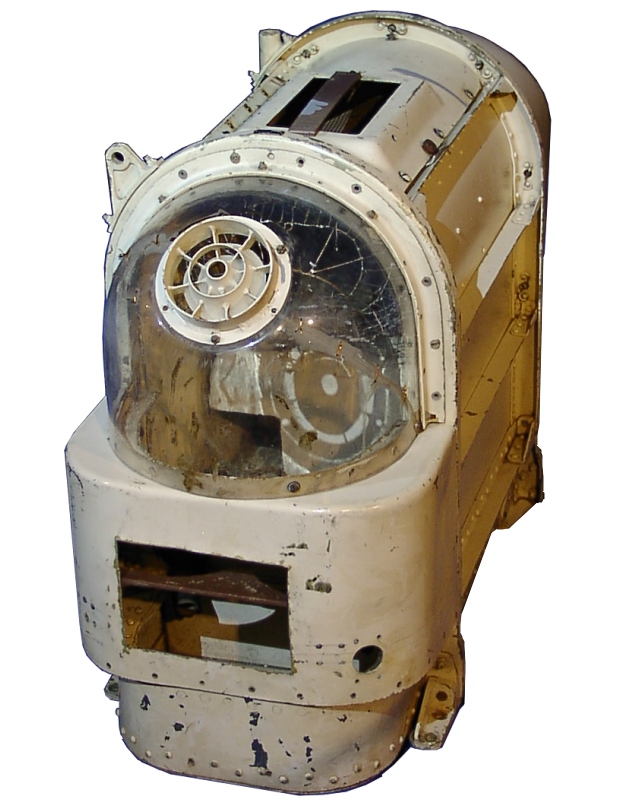
Dogs were flown to an altitude of 100 km (62 mi) on board 15 scientific flights on R-1 rockets (itself a copy of the German V-2) from 1951 to 1956. The dogs wore pressure suits with acrylic glass bubble helmets. From 1957 to 1960, 11 flights with dogs were made on the R-2A series (developed from the R-1 missile) which flew to about 200 km (120 mi). Three flights were made to an altitude of about 450 km (280 mi) on R-5A rockets in 1958. In the R-2 and R-5 rockets, the dogs were contained in a pressured cabin.
Dezik (Дезик) and Tsygan (Цыган, "Gypsy") were the first dogs to make a sub-orbital flight and successfully recovered on 22 July 1951. Both dogs were recovered unharmed after travelling to a maximum altitude of 110 km (68 mi). Dezik made another sub-orbital flight in 1951 with the first dog named Lisa (Лиса, "Fox"), although neither survived because the parachute failed to deploy. After the death of Dezik, Tsygan was adopted as a pet by Soviet physicist Anatoli Blagonravov.
Lisa-2 (Лиса, "Fox" or "Vixen") and Ryzhik (Рыжик, "Ginger" (red-haired)) flew to an altitude of 100 km (62 mi) on 2 June 1954.
Smelaya (Смелая, "Brave" or "Courageous", fem.) was due to make a flight in September but ran away the day before the launch. She was found the next day and went on to make a successful flight with a dog named Malyshka (Малышка, "Baby"). They both crashed after the rocket failed to deploy a parachute, and were found the next day by the recovery team.
Recent media
Recent media