



Community hub
Recent from talks
Knowledge base stats:
Talk channels stats:
Members stats:
Baruch Spinoza
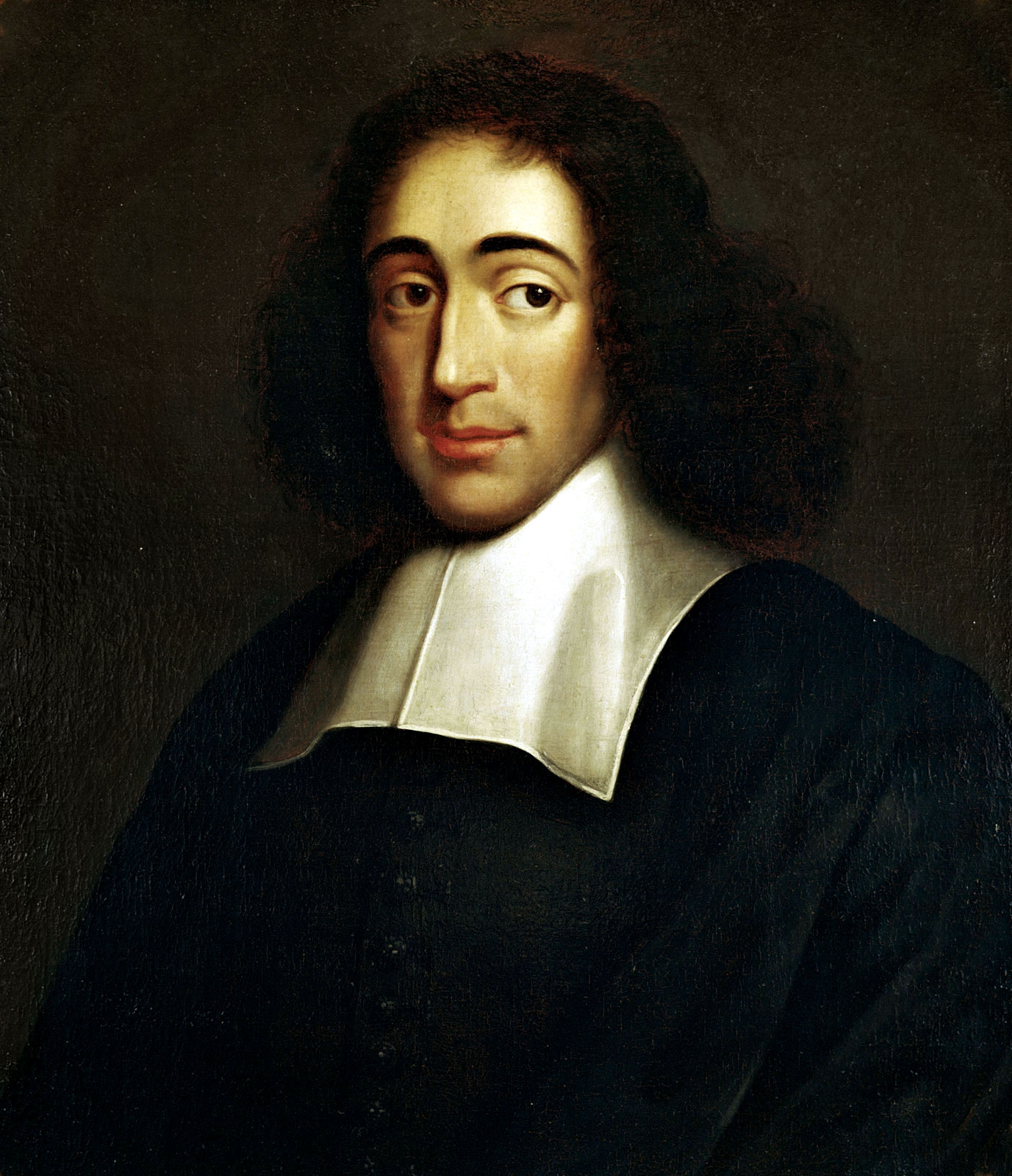
Baruch (de) Spinoza (24 November 1632 – 21 February 1677), also known under his Latinized pen name Benedictus de Spinoza, was a philosopher of Portuguese-Jewish origin, who was born in the Dutch Republic. A forerunner of the Age of Enlightenment, Spinoza significantly influenced modern biblical criticism, 17th-century rationalism, and Dutch intellectual culture, establishing himself as one of the most important and radical philosophers of the early modern period. Influenced by Stoicism, Thomas Hobbes, René Descartes, Ibn Tufayl, and heterodox Christians, Spinoza was a leading philosopher of the Dutch Golden Age.
Spinoza was born in Amsterdam to a Marrano family that fled Portugal for the more tolerant Dutch Republic. He received a traditional Jewish education, learning Hebrew and studying sacred texts within the Portuguese Jewish community, where his father was a prominent merchant. As a young man, Spinoza challenged rabbinic authority and questioned Jewish doctrines, leading to his permanent expulsion from his Jewish community in 1656. Following that expulsion, he distanced himself from all religious affiliations and devoted himself to philosophical inquiry and lens grinding. Spinoza attracted a dedicated circle of followers who gathered to discuss his writings and joined him in the intellectual pursuit of truth.
Spinoza published little, to avoid persecution and bans on his books. In his Tractatus Theologico-Politicus, described by Steven Nadler as "one of the most important books of Western thought", Spinoza questioned the divine origin of the Hebrew Bible and the nature of God while arguing that ecclesiastic authority should have no role in a secular, democratic state. Ethics argues for a pantheistic view of God and explores the place of human freedom in a world devoid of theological, cosmological, and political moorings. Rejecting messianism and the emphasis on the afterlife, Spinoza emphasized appreciating and valuing life for oneself and others. By advocating for individual liberty in its moral, psychological, and metaphysical dimensions, Spinoza helped establish the genre of political writing called secular theology.
Spinoza's philosophy spans nearly every area of philosophical discourse, including metaphysics, epistemology, political philosophy, ethics, philosophy of mind, and philosophy of science. His friends posthumously published his works, captivating philosophers for the next two centuries. Celebrated as one of the most original and influential thinkers of the seventeenth century, Rebecca Goldstein dubbed him "the renegade Jew who gave us modernity".
Spinoza's ancestors, adherents of Crypto-Judaism, faced persecution during the Portuguese Inquisition, enduring torture and public displays of humiliation. In 1597, his paternal grandfather's family left Vidigueira for Nantes and lived outwardly as New Christians, eventually transferring to Holland for an unknown reason. His maternal ancestors were a leading Porto commercial family, and his maternal grandfather was a foremost merchant who drifted between Judaism and Christianity. Spinoza was raised by his grandmother from ages six to nine and probably learned much about his family history from her.
Spinoza's father Michael was a prominent and wealthy merchant in Amsterdam with a business that had wide geographical reach. In 1649, he was elected to serve as an administrative officer of the recently united congregation Talmud Torah. He married his cousin Rachael d'Espinosa, daughter of his uncle Abraham d'Espinosa, who was also a community leader and Michael's business partner. Marrying cousins was common in the Portuguese Jewish community then, giving Michael access to his father-in-law's commercial network and capital. Rachel's children died in infancy, and she died in 1627.
After the death of Rachel, Michael married Hannah Deborah, with whom he had five children. His second wife brought a dowry to the marriage that was absorbed into Michael's business capital instead of being set aside for her children, which may have caused a grudge between Spinoza and his father. The family lived on the artificial island on the south side of the River Amstel, known as the Vlooienburg, at the fifth house along the Houtgracht canal. The Jewish quarter was not formally divided. The family lived close to the Bet Ya'acov synagogue, and nearby were Christians, including the artist Rembrandt. Miriam was their first child, followed by Isaac who was expected to take over as head of the family and the commercial enterprise but died in 1649. Baruch Espinosa, the third child, was born on 24 November 1632 and named as per tradition for his maternal grandfather.
Spinoza's younger brother Gabriel was born in 1634, followed by another sister Rebecca. Miriam married Samuel de Caceres but died shortly after childbirth. According to Jewish practice, Samuel had to marry his former sister-in-law Rebecca. Following his brother's death, Spinoza's place as head of the family and its business meant scholarly ambitions were pushed aside. Spinoza's mother, Hannah Deborah, died when Spinoza was six years old. Michael's third wife, Esther, raised Spinoza from age nine; she lacked formal Jewish knowledge due to growing up a New Christian and only spoke Portuguese at home. The marriage was childless. Spinoza's sister Rebecca, brother Gabriel, and nephew eventually migrated to Curaçao, and the remaining family joined them after Spinoza's death.
Hub AI
Baruch Spinoza AI simulator
(@Baruch Spinoza_simulator)
Baruch Spinoza
Baruch (de) Spinoza (24 November 1632 – 21 February 1677), also known under his Latinized pen name Benedictus de Spinoza, was a philosopher of Portuguese-Jewish origin, who was born in the Dutch Republic. A forerunner of the Age of Enlightenment, Spinoza significantly influenced modern biblical criticism, 17th-century rationalism, and Dutch intellectual culture, establishing himself as one of the most important and radical philosophers of the early modern period. Influenced by Stoicism, Thomas Hobbes, René Descartes, Ibn Tufayl, and heterodox Christians, Spinoza was a leading philosopher of the Dutch Golden Age.
Spinoza was born in Amsterdam to a Marrano family that fled Portugal for the more tolerant Dutch Republic. He received a traditional Jewish education, learning Hebrew and studying sacred texts within the Portuguese Jewish community, where his father was a prominent merchant. As a young man, Spinoza challenged rabbinic authority and questioned Jewish doctrines, leading to his permanent expulsion from his Jewish community in 1656. Following that expulsion, he distanced himself from all religious affiliations and devoted himself to philosophical inquiry and lens grinding. Spinoza attracted a dedicated circle of followers who gathered to discuss his writings and joined him in the intellectual pursuit of truth.
Spinoza published little, to avoid persecution and bans on his books. In his Tractatus Theologico-Politicus, described by Steven Nadler as "one of the most important books of Western thought", Spinoza questioned the divine origin of the Hebrew Bible and the nature of God while arguing that ecclesiastic authority should have no role in a secular, democratic state. Ethics argues for a pantheistic view of God and explores the place of human freedom in a world devoid of theological, cosmological, and political moorings. Rejecting messianism and the emphasis on the afterlife, Spinoza emphasized appreciating and valuing life for oneself and others. By advocating for individual liberty in its moral, psychological, and metaphysical dimensions, Spinoza helped establish the genre of political writing called secular theology.
Spinoza's philosophy spans nearly every area of philosophical discourse, including metaphysics, epistemology, political philosophy, ethics, philosophy of mind, and philosophy of science. His friends posthumously published his works, captivating philosophers for the next two centuries. Celebrated as one of the most original and influential thinkers of the seventeenth century, Rebecca Goldstein dubbed him "the renegade Jew who gave us modernity".
Spinoza's ancestors, adherents of Crypto-Judaism, faced persecution during the Portuguese Inquisition, enduring torture and public displays of humiliation. In 1597, his paternal grandfather's family left Vidigueira for Nantes and lived outwardly as New Christians, eventually transferring to Holland for an unknown reason. His maternal ancestors were a leading Porto commercial family, and his maternal grandfather was a foremost merchant who drifted between Judaism and Christianity. Spinoza was raised by his grandmother from ages six to nine and probably learned much about his family history from her.
Spinoza's father Michael was a prominent and wealthy merchant in Amsterdam with a business that had wide geographical reach. In 1649, he was elected to serve as an administrative officer of the recently united congregation Talmud Torah. He married his cousin Rachael d'Espinosa, daughter of his uncle Abraham d'Espinosa, who was also a community leader and Michael's business partner. Marrying cousins was common in the Portuguese Jewish community then, giving Michael access to his father-in-law's commercial network and capital. Rachel's children died in infancy, and she died in 1627.
After the death of Rachel, Michael married Hannah Deborah, with whom he had five children. His second wife brought a dowry to the marriage that was absorbed into Michael's business capital instead of being set aside for her children, which may have caused a grudge between Spinoza and his father. The family lived on the artificial island on the south side of the River Amstel, known as the Vlooienburg, at the fifth house along the Houtgracht canal. The Jewish quarter was not formally divided. The family lived close to the Bet Ya'acov synagogue, and nearby were Christians, including the artist Rembrandt. Miriam was their first child, followed by Isaac who was expected to take over as head of the family and the commercial enterprise but died in 1649. Baruch Espinosa, the third child, was born on 24 November 1632 and named as per tradition for his maternal grandfather.
Spinoza's younger brother Gabriel was born in 1634, followed by another sister Rebecca. Miriam married Samuel de Caceres but died shortly after childbirth. According to Jewish practice, Samuel had to marry his former sister-in-law Rebecca. Following his brother's death, Spinoza's place as head of the family and its business meant scholarly ambitions were pushed aside. Spinoza's mother, Hannah Deborah, died when Spinoza was six years old. Michael's third wife, Esther, raised Spinoza from age nine; she lacked formal Jewish knowledge due to growing up a New Christian and only spoke Portuguese at home. The marriage was childless. Spinoza's sister Rebecca, brother Gabriel, and nephew eventually migrated to Curaçao, and the remaining family joined them after Spinoza's death.