



Community hub
Recent from talks
Knowledge base stats:
Talk channels stats:
Members stats:
Great Purge
The Great Purge or Great Terror (Russian: Большой террор, romanized: Bol'shoy terror), also known as the Year of '37 (37-й год, Tridtsat' sed'moy god) and the Yezhovshchina (Ежовщина [(j)ɪˈʐofɕːɪnə], lit. 'period of Yezhov'), was a political purge in the Soviet Union from 1936 to 1938. After the assassination of Sergei Kirov by Leonid Nikolaev in 1934, Joseph Stalin launched a series of show trials known as the Moscow trials to remove suspected dissenters from the Communist Party of the Soviet Union (especially those aligned with the Bolshevik party). The term "great purge" was popularized by historian Robert Conquest in his 1968 book, The Great Terror, whose title alluded to the French Revolution's Reign of Terror.
The purges were largely conducted by the NKVD (People's Commissariat for Internal Affairs), which functioned as the interior ministry and secret police of the USSR. In 1936, the NKVD under Genrikh Yagoda began the removal of the central party leadership, Old Bolsheviks, government officials, and regional party bosses. Soviet politicians who opposed or criticized Stalin were removed from office and imprisoned, or executed, by the NKVD. The purges were eventually expanded to the Red Army high command, which had a disastrous effect on the military. The campaigns also affected many other segments of society: the intelligentsia, wealthy peasants—especially those lending money or other wealth (kulaks)—and professionals. As the scope of the purge widened, the omnipresent suspicion of saboteurs and counter-revolutionaries (known collectively as wreckers) began affecting civilian life.
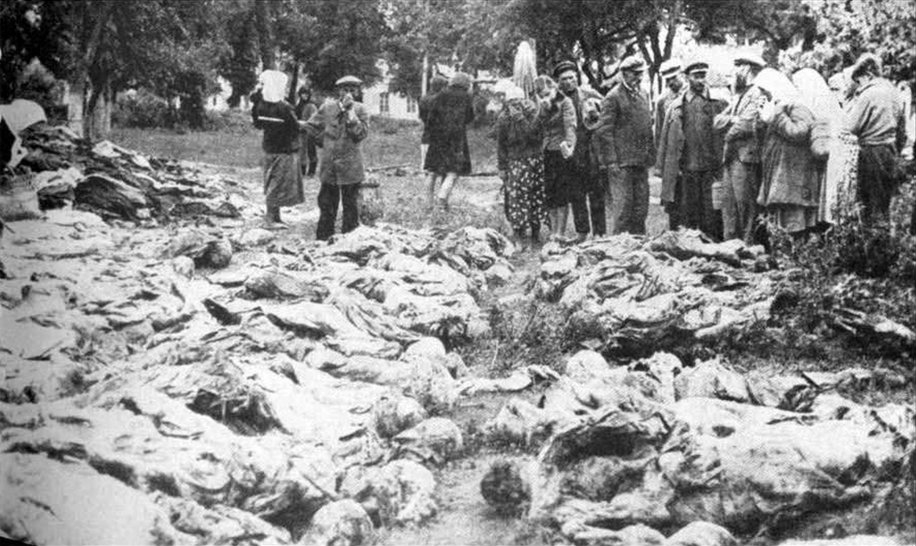
The purge reached its peak between September 1936 and August 1938, when the NKVD was under chief Nikolai Yezhov (hence the name Yezhovshchina). The campaigns were carried out according to the general line of the party, often by direct orders by the Politburo headed by Stalin. Hundreds of thousands of people were accused of political crimes, including espionage, wrecking, sabotage, anti-Soviet agitation, and conspiracies to prepare uprisings and coups. They were executed by shooting, or sent to Gulag labor camps. The NKVD targeted certain ethnic minorities with particular force (such as Volga Germans or Soviet citizens of Polish origin), who were subjected to forced deportation and extreme repression. Throughout the purge, the NKVD sought to strengthen control over civilians through fear and frequently used imprisonment, torture, violent interrogation, and executions during its mass operations.
Stalin reversed his stance on the purges in 1938, criticizing the NKVD for carrying out mass executions and overseeing the execution of NKVD chiefs Yagoda and Yezhov. Scholars estimate the death toll of the Great Purge at 700,000 to 1.2 million. Despite the end of the purge, widespread surveillance and an atmosphere of mistrust continued for decades. Similar purges took place in Mongolia and Xinjiang. The Soviet government wanted to put Leon Trotsky on trial during the purge, but his exile prevented this. Trotsky survived the purge, although he was assassinated in 1940 by the NKVD in Mexico on orders from Stalin.
A power vacuum developed in the Communist Party, the ruling party in the Soviet Union (USSR), after the 1924 death of Vladimir Lenin; established figures in Lenin's government attempted to succeed him. Joseph Stalin, the party's general secretary, triumphed over his opponents by 1928 and gained control of the party. Initially, Stalin's leadership was widely accepted; Trotsky, his main political adversary, was forced into exile in 1929 and Stalin's doctrine of "socialism in one country" became party policy. Party officials began to lose faith in his leadership in the early 1930s, however, largely due to the human cost of the first five-year plan and the collectivization of agriculture (including the Holodomor famine in Ukraine).
In 1930, the party and police officials feared the "social disorder" caused by the upheavals of forced collectivization of peasants, the resulting famine of 1930–1933 and the massive, uncontrolled migration of millions of peasants to cities. The threat of war heightened Stalin's (and Soviet) perception of marginal and politically-suspect populations as potential sources of an uprising during a possible invasion. Stalin began to plan for the preventive elimination of potential recruits for a mythical "fifth column of wreckers, terrorists and spies."
The term "purge" in Soviet political slang was an abbreviation of the expression "purge from the party ranks"; in 1933, for example, the party expelled about 400,000 people. The term changed its meaning between 1936 and 1953, and being expelled from the party came to mean almost-certain arrest, imprisonment, and (often) execution.
The political purge was primarily an effort by Stalin to eliminate challenges from past and potential opposition groups, including the party's left and right wings (led by Trotsky and Nikolai Bukharin, respectively). After the Civil War and the late-1920s reconstruction of the Soviet economy, veteran Bolsheviks thought that the "temporary" wartime dictatorship (which had passed from Lenin to Stalin) was no longer necessary. Stalin's opponents in the Communist Party chided him as undemocratic and lax about bureaucratic corruption.
Hub AI
Great Purge AI simulator
(@Great Purge_simulator)
Great Purge
The Great Purge or Great Terror (Russian: Большой террор, romanized: Bol'shoy terror), also known as the Year of '37 (37-й год, Tridtsat' sed'moy god) and the Yezhovshchina (Ежовщина [(j)ɪˈʐofɕːɪnə], lit. 'period of Yezhov'), was a political purge in the Soviet Union from 1936 to 1938. After the assassination of Sergei Kirov by Leonid Nikolaev in 1934, Joseph Stalin launched a series of show trials known as the Moscow trials to remove suspected dissenters from the Communist Party of the Soviet Union (especially those aligned with the Bolshevik party). The term "great purge" was popularized by historian Robert Conquest in his 1968 book, The Great Terror, whose title alluded to the French Revolution's Reign of Terror.
The purges were largely conducted by the NKVD (People's Commissariat for Internal Affairs), which functioned as the interior ministry and secret police of the USSR. In 1936, the NKVD under Genrikh Yagoda began the removal of the central party leadership, Old Bolsheviks, government officials, and regional party bosses. Soviet politicians who opposed or criticized Stalin were removed from office and imprisoned, or executed, by the NKVD. The purges were eventually expanded to the Red Army high command, which had a disastrous effect on the military. The campaigns also affected many other segments of society: the intelligentsia, wealthy peasants—especially those lending money or other wealth (kulaks)—and professionals. As the scope of the purge widened, the omnipresent suspicion of saboteurs and counter-revolutionaries (known collectively as wreckers) began affecting civilian life.
The purge reached its peak between September 1936 and August 1938, when the NKVD was under chief Nikolai Yezhov (hence the name Yezhovshchina). The campaigns were carried out according to the general line of the party, often by direct orders by the Politburo headed by Stalin. Hundreds of thousands of people were accused of political crimes, including espionage, wrecking, sabotage, anti-Soviet agitation, and conspiracies to prepare uprisings and coups. They were executed by shooting, or sent to Gulag labor camps. The NKVD targeted certain ethnic minorities with particular force (such as Volga Germans or Soviet citizens of Polish origin), who were subjected to forced deportation and extreme repression. Throughout the purge, the NKVD sought to strengthen control over civilians through fear and frequently used imprisonment, torture, violent interrogation, and executions during its mass operations.
Stalin reversed his stance on the purges in 1938, criticizing the NKVD for carrying out mass executions and overseeing the execution of NKVD chiefs Yagoda and Yezhov. Scholars estimate the death toll of the Great Purge at 700,000 to 1.2 million. Despite the end of the purge, widespread surveillance and an atmosphere of mistrust continued for decades. Similar purges took place in Mongolia and Xinjiang. The Soviet government wanted to put Leon Trotsky on trial during the purge, but his exile prevented this. Trotsky survived the purge, although he was assassinated in 1940 by the NKVD in Mexico on orders from Stalin.
A power vacuum developed in the Communist Party, the ruling party in the Soviet Union (USSR), after the 1924 death of Vladimir Lenin; established figures in Lenin's government attempted to succeed him. Joseph Stalin, the party's general secretary, triumphed over his opponents by 1928 and gained control of the party. Initially, Stalin's leadership was widely accepted; Trotsky, his main political adversary, was forced into exile in 1929 and Stalin's doctrine of "socialism in one country" became party policy. Party officials began to lose faith in his leadership in the early 1930s, however, largely due to the human cost of the first five-year plan and the collectivization of agriculture (including the Holodomor famine in Ukraine).
In 1930, the party and police officials feared the "social disorder" caused by the upheavals of forced collectivization of peasants, the resulting famine of 1930–1933 and the massive, uncontrolled migration of millions of peasants to cities. The threat of war heightened Stalin's (and Soviet) perception of marginal and politically-suspect populations as potential sources of an uprising during a possible invasion. Stalin began to plan for the preventive elimination of potential recruits for a mythical "fifth column of wreckers, terrorists and spies."
The term "purge" in Soviet political slang was an abbreviation of the expression "purge from the party ranks"; in 1933, for example, the party expelled about 400,000 people. The term changed its meaning between 1936 and 1953, and being expelled from the party came to mean almost-certain arrest, imprisonment, and (often) execution.
The political purge was primarily an effort by Stalin to eliminate challenges from past and potential opposition groups, including the party's left and right wings (led by Trotsky and Nikolai Bukharin, respectively). After the Civil War and the late-1920s reconstruction of the Soviet economy, veteran Bolsheviks thought that the "temporary" wartime dictatorship (which had passed from Lenin to Stalin) was no longer necessary. Stalin's opponents in the Communist Party chided him as undemocratic and lax about bureaucratic corruption.