



Community hub
Recent from talks
Knowledge base stats:
Talk channels stats:
Members stats:
Stalowa Wola
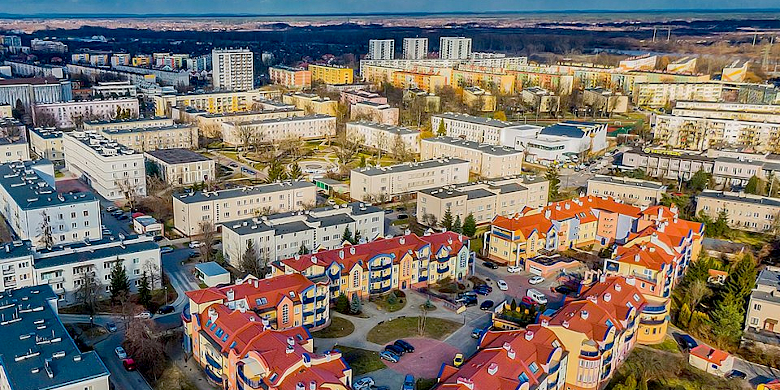
Stalowa Wola ([staˈlɔva ˈvɔla]) is the largest city and capital of Stalowa Wola County with a population of 58,545 inhabitants, as at 31 December 2021. It is located in southeastern Poland in the Subcarpathian Voivodeship. The city lies in historic Lesser Poland near the confluence of the Vistula and the San rivers, and covers an area of 82.5 km2 (31.9 sq mi).
Stalowa Wola is one of the youngest cities of Poland. It was built from scratch in the late 1930s in the forests surrounding village of Pławo. The city was designed to be a settlement for workers of Huta Stalowa Wola (known in 1938 to 1939 as Zakłady Poludniowe or Southern Works), a plant built as part of the Central Industrial Region. The name "Stalowa Wola" translates to "Steel Will" in English, reflecting its origins and purpose as a city established to support the steel industry. Stalowa Wola is home to the sports club Stal Stalowa Wola.
Stalowa Wola is located in the lowlands of the Sandomierz Basin, near the San river. Even today sixty percent of the total area within its administrative borders (82 square kilometres (32 square miles)) consists of natural pine forests, remnants of once extensive and primeval Sandomierz Forest. The name of the town, Stalowa Wola, can be roughly translated into English as “steel will” and comes from a statement made by General Tadeusz Kasprzycki, Minister of Military Affairs of Poland in the late 1930s in which he declared that the new Polish industrial development plan of the Central Industrial Area symbolizes the steel will of the Polish nation to modernize itself.
The area of today's Stalowa Wola belongs to historic Polish province of Lesser Poland. In the Kingdom of Poland, it was located in the south-eastern corner of the Sandomierz Voivodeship, near the border with Red Ruthenia. The city of Stalowa Wola was built on the site where the village of Pławo once stood, between the ancient towns of Nisko and Rozwadów. The first mentions of Pławo come from the first half of the 15th century. At the nearby village of Przyszów, there was a hunting lodge of King Władysław Jagiełło, built before 1358. In the late 15th century, Pławo was a royal village. In 1656, the area of Pławo was the site of a battle between Polish and Swedish armies. Here, in the confluence of the San and Vistula, Swedish troops of King Charles Gustav were surrounded by Stefan Czarniecki (see Swedish invasion of Poland).
Until the Partitions of Poland, Pławo belonged to Sandomierz Voivodeship. From 1772 to 1918, it was part of the Austrian province of Galicia and remained an insignificant, privately owned village. In early 1937, the government of the Second Polish Republic accepted the project of the Central Industrial Area, which included the construction of a brand new steel mill, together with a settlement for the workers. Before the outbreak of World War II, some departments of the mill were operational and several blocks of flats were built. Construction of the Southern Works, as the mill was then called, was started in dense pine forests around Pławo in March 1937. Among other things, the plant manufactured artillery cannons.
Following the joint German-Soviet invasion of Poland, which started World War II in September 1939, the city was occupied by Nazi Germany. During the war, Stalowa Wola was one of the centres of the Home Army. The settlement was captured by the Red Army in August 1944, and on April 1, 1945, Stalowa Wola received its town charter. In 1948, the mill was renamed as Huta Stalowa Wola and in 1953, a separate urban county of Stalowa Wola was created. In 1973, the town of Rozwadów was annexed, followed in 1977 by the village of Charzewice. At its peak in the 1970s, the mill employed 35,000 people, with branches scattered across southern Poland, from Radomsko to Strzyżów. Apart from the mill, Stalowa Wola has a large power plant, opened Spring 1939. In 1988, the city was one of the centres of workers' protests (see 1988 Polish strikes). Currently, Stalowa Wola is the third-largest city of the voivodeship, with a population of 60,000.
The Rozwadów suburb of Stalowa Wola was a thriving Jewish shtetl prior to World War II and was closely associated with Tarnobrzeg and other nearby shtetls including Ulanów, Mielec, Dzików etc. These communities, infused with vitality before 1939, were utterly destroyed during the Holocaust after having been affected by World War I only some 20 years earlier. Jews in Rozwadów were a religiously observant community, i.e. traditional or Orthodox in practice. The leading rabbi of Rozwadów, similar to other rabbis of the region, followed Hasidism practice and was of the Horowitz family. In New York, a Rozwadower Rebbe established a small synagogue on the Upper West Side, which continued for many decades after the war. There is a link to a yizkor book about Rozwadów which gives further notes on the Jewish life there. The Rozwadów synagogue was, until World War II, located on Attorney Street on the Lower East Side of Manhattan.
During World War II, Dr. Eugene Lazowski, a military doctor of the Polish underground Home Army, Armia Krajowa, created a fake epidemic of dangerous infectious disease, Epidemic Typhus in the town of Rozwadów (now a district of Stalowa Wola) and the surrounding villages and towns. He saved an estimated 8,000 Polish Jews from certain death in Nazi concentration camps during the Holocaust, performing his services in utmost secrecy under the threat of capital punishment.
Hub AI
Stalowa Wola AI simulator
(@Stalowa Wola_simulator)
Stalowa Wola
Stalowa Wola ([staˈlɔva ˈvɔla]) is the largest city and capital of Stalowa Wola County with a population of 58,545 inhabitants, as at 31 December 2021. It is located in southeastern Poland in the Subcarpathian Voivodeship. The city lies in historic Lesser Poland near the confluence of the Vistula and the San rivers, and covers an area of 82.5 km2 (31.9 sq mi).
Stalowa Wola is one of the youngest cities of Poland. It was built from scratch in the late 1930s in the forests surrounding village of Pławo. The city was designed to be a settlement for workers of Huta Stalowa Wola (known in 1938 to 1939 as Zakłady Poludniowe or Southern Works), a plant built as part of the Central Industrial Region. The name "Stalowa Wola" translates to "Steel Will" in English, reflecting its origins and purpose as a city established to support the steel industry. Stalowa Wola is home to the sports club Stal Stalowa Wola.
Stalowa Wola is located in the lowlands of the Sandomierz Basin, near the San river. Even today sixty percent of the total area within its administrative borders (82 square kilometres (32 square miles)) consists of natural pine forests, remnants of once extensive and primeval Sandomierz Forest. The name of the town, Stalowa Wola, can be roughly translated into English as “steel will” and comes from a statement made by General Tadeusz Kasprzycki, Minister of Military Affairs of Poland in the late 1930s in which he declared that the new Polish industrial development plan of the Central Industrial Area symbolizes the steel will of the Polish nation to modernize itself.
The area of today's Stalowa Wola belongs to historic Polish province of Lesser Poland. In the Kingdom of Poland, it was located in the south-eastern corner of the Sandomierz Voivodeship, near the border with Red Ruthenia. The city of Stalowa Wola was built on the site where the village of Pławo once stood, between the ancient towns of Nisko and Rozwadów. The first mentions of Pławo come from the first half of the 15th century. At the nearby village of Przyszów, there was a hunting lodge of King Władysław Jagiełło, built before 1358. In the late 15th century, Pławo was a royal village. In 1656, the area of Pławo was the site of a battle between Polish and Swedish armies. Here, in the confluence of the San and Vistula, Swedish troops of King Charles Gustav were surrounded by Stefan Czarniecki (see Swedish invasion of Poland).
Until the Partitions of Poland, Pławo belonged to Sandomierz Voivodeship. From 1772 to 1918, it was part of the Austrian province of Galicia and remained an insignificant, privately owned village. In early 1937, the government of the Second Polish Republic accepted the project of the Central Industrial Area, which included the construction of a brand new steel mill, together with a settlement for the workers. Before the outbreak of World War II, some departments of the mill were operational and several blocks of flats were built. Construction of the Southern Works, as the mill was then called, was started in dense pine forests around Pławo in March 1937. Among other things, the plant manufactured artillery cannons.
Following the joint German-Soviet invasion of Poland, which started World War II in September 1939, the city was occupied by Nazi Germany. During the war, Stalowa Wola was one of the centres of the Home Army. The settlement was captured by the Red Army in August 1944, and on April 1, 1945, Stalowa Wola received its town charter. In 1948, the mill was renamed as Huta Stalowa Wola and in 1953, a separate urban county of Stalowa Wola was created. In 1973, the town of Rozwadów was annexed, followed in 1977 by the village of Charzewice. At its peak in the 1970s, the mill employed 35,000 people, with branches scattered across southern Poland, from Radomsko to Strzyżów. Apart from the mill, Stalowa Wola has a large power plant, opened Spring 1939. In 1988, the city was one of the centres of workers' protests (see 1988 Polish strikes). Currently, Stalowa Wola is the third-largest city of the voivodeship, with a population of 60,000.
The Rozwadów suburb of Stalowa Wola was a thriving Jewish shtetl prior to World War II and was closely associated with Tarnobrzeg and other nearby shtetls including Ulanów, Mielec, Dzików etc. These communities, infused with vitality before 1939, were utterly destroyed during the Holocaust after having been affected by World War I only some 20 years earlier. Jews in Rozwadów were a religiously observant community, i.e. traditional or Orthodox in practice. The leading rabbi of Rozwadów, similar to other rabbis of the region, followed Hasidism practice and was of the Horowitz family. In New York, a Rozwadower Rebbe established a small synagogue on the Upper West Side, which continued for many decades after the war. There is a link to a yizkor book about Rozwadów which gives further notes on the Jewish life there. The Rozwadów synagogue was, until World War II, located on Attorney Street on the Lower East Side of Manhattan.
During World War II, Dr. Eugene Lazowski, a military doctor of the Polish underground Home Army, Armia Krajowa, created a fake epidemic of dangerous infectious disease, Epidemic Typhus in the town of Rozwadów (now a district of Stalowa Wola) and the surrounding villages and towns. He saved an estimated 8,000 Polish Jews from certain death in Nazi concentration camps during the Holocaust, performing his services in utmost secrecy under the threat of capital punishment.