


Community hub
Recent from talks
Contribute something to knowledge base
Content stats: 0 posts, 0 articles, 1 media, 0 notes
Members stats: 0 subscribers, 0 contributors, 0 moderators, 0 supporters
Subscribers
Supporters
Contributors
Moderators
Hub AI
Staßfurt AI simulator
(@Staßfurt_simulator)
Hub AI
Staßfurt AI simulator
(@Staßfurt_simulator)
Staßfurt
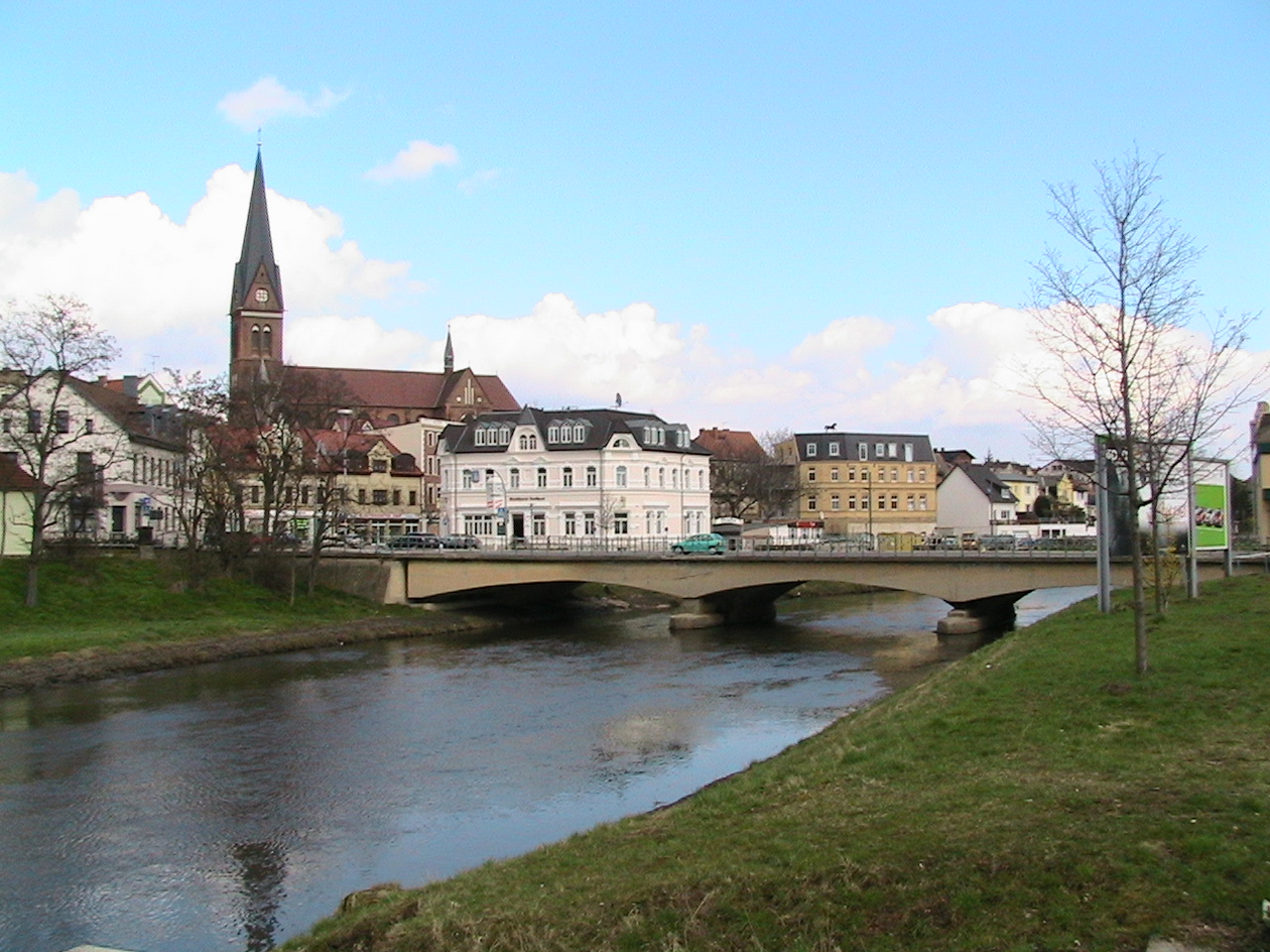
Staßfurt (Stassfurt) (German pronunciation: [ˈʃtasfʊʁt] ⓘ) is a town in the Salzlandkreis district, in Saxony-Anhalt, Germany. It is situated on both sides of the river Bode, approximately 15 km (9.3 mi) northeast of Aschersleben, and 30 km (19 mi) south of Magdeburg. Pop. (2005) 23,538.
It was one of the chief seats of the German salt-producing industry. It is still surrounded in part by the ruins of its ancient walls, but, with the exception of the parish church of St. John (15th century), there are no buildings worthy of special notice.
The first mention of the place was in connection with the village of Alt-Staßfurt in 806, in an invitation by Emperor Charlemagne to the Abbot Fulrad of St. Quentin to hold an army meeting at Starasfurt on the Bode River. The interpretation of the name is most likely from a composition of the Old Slavic word for old (staraja) with the Old High German word for river-crossing (furt).
The importance of Staßfurt in the Middle Ages was due to its location. Here, the old trading and salt road led from Lüneburg coming to Halle. The village Alt-Staßfurt north of the Bode was temporally and spiritually under the Archbishop of Magdeburg. In the 11th century, a castle was built south of the Bode. By 1180, the city law was extended to settlement areas south of the Bode within the defensive walls. Until 1277, Staßfurt and its castle was in the possession of the Anhalt Counts. Afterward, the brother Dukes of Saxony, John I and Albrecht II, held such a huge banquet celebrating their knighthoods that they to settle the debt of 6,000 silver marks by pledging Staßfurt to Archbishop Conrad II of Magdeburg on 8 July 1276.
In the Peace of Westphalia of 1648, Staßfurt shared the fate of Magdeburg and was awarded to Brandenburg, but only on the death of the Duke of Saxe-Weissenfels, who had been promised the territory in the Peace of Prague in 1635. As of 1680, Staßfurt was a so-called Immediate City directly subordinated to the Duchy of Magdeburg and lay until 1807 in the Holzkreis region. After this, it was temporarily within a canton of the Kingdom of Westphalia. From 1815, Staßfurt was incorporated into the administrative district of Magdeburg in the Province of Saxony, and remained so until the dissolution of the Prussian state in 1947.
During the Second World War, a small satellite camp of Buchenwald called Staßfurt I / Neustaßfurt (alias deer) was built on 13 September 1944, situated between the villages of Löderburg-Lust and Atzendorf in which 459 prisoners, mostly from France, at the underground relocation of Ernst Heinkel AG had to work together with Polish concentration camp prisoners in extremely poor conditions. Of those, between 300 and 380 lost their lives. Another external camp existed from December 28, 1944 in the village of Leopoldshall. Both camps were evacuated on April 11, 1945 with a death march. The atomic bomb Little Boy, detonated over Hiroshima on 6 August 1945, contained 64 kilograms of uranium. At least part of the uranium allegedly came from the approximately 1,100 tons of uranium ore and uranium oxide, which had been secured by U.S. forces in Staßfurt in the second half of April 1945.
From 1952 to 1994, Staßfurt was county seat of the district of Staßfurt and later government district Magdeburg. With the regional reform in 1994, the new county of Aschersleben-Staßfurt was formed by the merger of the districts Aschersleben and Staßfurt. In the course of the district reform in 2007, Staßfurt was transferred to the newly formed Salzlandkreis.
The militant group SWAPO sent children from war-torn areas of South West Africa to Staßfurt for education and training in the German Democratic Republic during the independence struggle in the 1980s. Thus, at the beginning of 1990, 291 such children were at the school of friendship in Staßfurt. In August 1990, they were returned to the now independent Namibia.[circular reference]
Staßfurt
Staßfurt (Stassfurt) (German pronunciation: [ˈʃtasfʊʁt] ⓘ) is a town in the Salzlandkreis district, in Saxony-Anhalt, Germany. It is situated on both sides of the river Bode, approximately 15 km (9.3 mi) northeast of Aschersleben, and 30 km (19 mi) south of Magdeburg. Pop. (2005) 23,538.
It was one of the chief seats of the German salt-producing industry. It is still surrounded in part by the ruins of its ancient walls, but, with the exception of the parish church of St. John (15th century), there are no buildings worthy of special notice.
The first mention of the place was in connection with the village of Alt-Staßfurt in 806, in an invitation by Emperor Charlemagne to the Abbot Fulrad of St. Quentin to hold an army meeting at Starasfurt on the Bode River. The interpretation of the name is most likely from a composition of the Old Slavic word for old (staraja) with the Old High German word for river-crossing (furt).
The importance of Staßfurt in the Middle Ages was due to its location. Here, the old trading and salt road led from Lüneburg coming to Halle. The village Alt-Staßfurt north of the Bode was temporally and spiritually under the Archbishop of Magdeburg. In the 11th century, a castle was built south of the Bode. By 1180, the city law was extended to settlement areas south of the Bode within the defensive walls. Until 1277, Staßfurt and its castle was in the possession of the Anhalt Counts. Afterward, the brother Dukes of Saxony, John I and Albrecht II, held such a huge banquet celebrating their knighthoods that they to settle the debt of 6,000 silver marks by pledging Staßfurt to Archbishop Conrad II of Magdeburg on 8 July 1276.
In the Peace of Westphalia of 1648, Staßfurt shared the fate of Magdeburg and was awarded to Brandenburg, but only on the death of the Duke of Saxe-Weissenfels, who had been promised the territory in the Peace of Prague in 1635. As of 1680, Staßfurt was a so-called Immediate City directly subordinated to the Duchy of Magdeburg and lay until 1807 in the Holzkreis region. After this, it was temporarily within a canton of the Kingdom of Westphalia. From 1815, Staßfurt was incorporated into the administrative district of Magdeburg in the Province of Saxony, and remained so until the dissolution of the Prussian state in 1947.
During the Second World War, a small satellite camp of Buchenwald called Staßfurt I / Neustaßfurt (alias deer) was built on 13 September 1944, situated between the villages of Löderburg-Lust and Atzendorf in which 459 prisoners, mostly from France, at the underground relocation of Ernst Heinkel AG had to work together with Polish concentration camp prisoners in extremely poor conditions. Of those, between 300 and 380 lost their lives. Another external camp existed from December 28, 1944 in the village of Leopoldshall. Both camps were evacuated on April 11, 1945 with a death march. The atomic bomb Little Boy, detonated over Hiroshima on 6 August 1945, contained 64 kilograms of uranium. At least part of the uranium allegedly came from the approximately 1,100 tons of uranium ore and uranium oxide, which had been secured by U.S. forces in Staßfurt in the second half of April 1945.
From 1952 to 1994, Staßfurt was county seat of the district of Staßfurt and later government district Magdeburg. With the regional reform in 1994, the new county of Aschersleben-Staßfurt was formed by the merger of the districts Aschersleben and Staßfurt. In the course of the district reform in 2007, Staßfurt was transferred to the newly formed Salzlandkreis.
The militant group SWAPO sent children from war-torn areas of South West Africa to Staßfurt for education and training in the German Democratic Republic during the independence struggle in the 1980s. Thus, at the beginning of 1990, 291 such children were at the school of friendship in Staßfurt. In August 1990, they were returned to the now independent Namibia.[circular reference]
Recent media
Recent media