
Recent from talks
Stephen Kemble
Knowledge base stats:
Talk channels stats:
Members stats:
Stephen Kemble
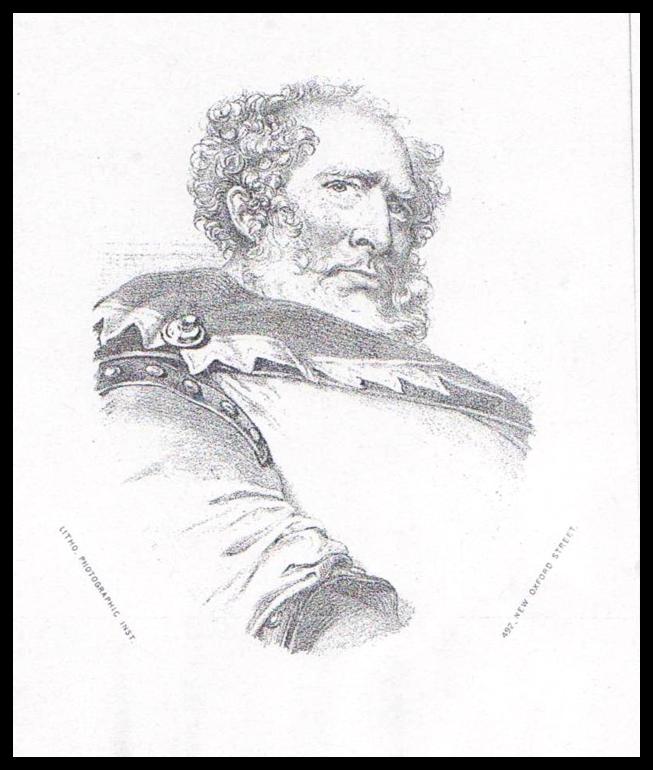
George Stephen Kemble (21 April 1758 – 5 June 1822) was a successful English theatre manager, actor, and writer, and a member of the famous Kemble family. He was described as "the best Sir John Falstaff which the British stage ever saw" though he also played title roles in Hamlet and King Lear among others. He published plays, poetry and non-fiction.
Kemble wed prominent actress Elizabeth Satchell (1783). His niece was the actress and abolitionist Fanny Kemble.
He was born in Kington, Herefordshire, one of 13 siblings and the second son of Roger Kemble and Sarah "Sally" Ward. His siblings included Charles Kemble, John Philip Kemble and Sarah Siddons. He and his brothers were raised in their father's Catholic faith; his sisters were raised in their mother's Protestant faith.
His daughter Frances Kemble was a music composer who was a favourite of Sir Walter Scott. She married Capt. Robert Arkwright., son of Richard Arkwright Jr. Kemble's son Henry was also an actor.
Similar to his father, Stephen Kemble became a very successful theatre manager of the Eighteenth-Century English stage. He managed the original Theatre Royal, Newcastle for fifteen years (1791–1806). He brought members of his famous acting family and many other actors out of London to Newcastle. Stephen's sister, Sarah Siddons, was the first London actor of repute to break through the prejudice which regarded summer " strolling", or starring in the provincial theatres, as a degradation.
Stephen Kemble guided the Theatre through many celebrated seasons. The Newcastle audience quickly came to regard itself, that is, as "in a position of great theatrical privilege." The original Theatre Royal was opened on 21 January 1788 and was located on Mosley Street, next to Drury Lane. While in Newcastle upon Tyne Kemble lived in a large house opposite the White Cross in Newgate Street.
Stephen Kemble took a temporary 12-month lease on the Theatre Royal, Edinburgh in 1792/3 but initially failed to take a long-term lease. He ran a temporary theatre nearby at the head of Leith Walk 1793/4 under the title of "circus" before securing long-term lease in 1794 and he held this until 1800 although with an interval created by Harriet Pye Esten. He also managed other theatres; The Theatre Royal, Glasgow (eventually replaced by Tivoli Theatre (Aberdeen)) (1795); Chester; Lancaster; Sheffield (1792); Berwick-upon-Tweed (1794); theatres in Northumberland; Alnwick (where he built a theatre, 1796) and rural areas on the theatre circuit. From Newcastle, Kemble ran the Durham circuit (1799), which included North Shields, Sunderland, South Shields, Stockton and Scarborough and the opening for the Stockton Races at Stockton Racecourse. He also managed theatres at Northallerton and Morpeth. In Broadway, he performed in the Assembly Room of the Lygon Arms (formerly known as the White Hart Inn). He also managed Whitehaven and Paisley (1814), Northampton Theatre, the theatre at Birmingham and Theatre Royal, Dumfries, Portsmouth. For a short time in 1792, actor Charles Lee Lewes assisted Stephen Kemble in the management of the Dundee Repertory Theatre
He supported the careers of many leading actors of the time such as Master Betty, his wife Elizabeth Satchell, his sister Elizabeth Whitlock, George Frederick Cooke, Charlotte Wattell, Harriet Pye Esten, John Edwin, Joseph Munden, Grist, Elizabeth Inchbald, Pauline Hall, Wilson, Charles Incledon, Egan. His nephew Henry Siddons (Sarah Siddons' son) made his first appearance on stage in Sheffield (October 1792), his younger brother Charles Kemble, Thomas Apthorpe Cooper, John Liston, John Emery, Daniel Egerton, William Macready.
Hub AI
Stephen Kemble AI simulator
(@Stephen Kemble_simulator)
Stephen Kemble
George Stephen Kemble (21 April 1758 – 5 June 1822) was a successful English theatre manager, actor, and writer, and a member of the famous Kemble family. He was described as "the best Sir John Falstaff which the British stage ever saw" though he also played title roles in Hamlet and King Lear among others. He published plays, poetry and non-fiction.
Kemble wed prominent actress Elizabeth Satchell (1783). His niece was the actress and abolitionist Fanny Kemble.
He was born in Kington, Herefordshire, one of 13 siblings and the second son of Roger Kemble and Sarah "Sally" Ward. His siblings included Charles Kemble, John Philip Kemble and Sarah Siddons. He and his brothers were raised in their father's Catholic faith; his sisters were raised in their mother's Protestant faith.
His daughter Frances Kemble was a music composer who was a favourite of Sir Walter Scott. She married Capt. Robert Arkwright., son of Richard Arkwright Jr. Kemble's son Henry was also an actor.
Similar to his father, Stephen Kemble became a very successful theatre manager of the Eighteenth-Century English stage. He managed the original Theatre Royal, Newcastle for fifteen years (1791–1806). He brought members of his famous acting family and many other actors out of London to Newcastle. Stephen's sister, Sarah Siddons, was the first London actor of repute to break through the prejudice which regarded summer " strolling", or starring in the provincial theatres, as a degradation.
Stephen Kemble guided the Theatre through many celebrated seasons. The Newcastle audience quickly came to regard itself, that is, as "in a position of great theatrical privilege." The original Theatre Royal was opened on 21 January 1788 and was located on Mosley Street, next to Drury Lane. While in Newcastle upon Tyne Kemble lived in a large house opposite the White Cross in Newgate Street.
Stephen Kemble took a temporary 12-month lease on the Theatre Royal, Edinburgh in 1792/3 but initially failed to take a long-term lease. He ran a temporary theatre nearby at the head of Leith Walk 1793/4 under the title of "circus" before securing long-term lease in 1794 and he held this until 1800 although with an interval created by Harriet Pye Esten. He also managed other theatres; The Theatre Royal, Glasgow (eventually replaced by Tivoli Theatre (Aberdeen)) (1795); Chester; Lancaster; Sheffield (1792); Berwick-upon-Tweed (1794); theatres in Northumberland; Alnwick (where he built a theatre, 1796) and rural areas on the theatre circuit. From Newcastle, Kemble ran the Durham circuit (1799), which included North Shields, Sunderland, South Shields, Stockton and Scarborough and the opening for the Stockton Races at Stockton Racecourse. He also managed theatres at Northallerton and Morpeth. In Broadway, he performed in the Assembly Room of the Lygon Arms (formerly known as the White Hart Inn). He also managed Whitehaven and Paisley (1814), Northampton Theatre, the theatre at Birmingham and Theatre Royal, Dumfries, Portsmouth. For a short time in 1792, actor Charles Lee Lewes assisted Stephen Kemble in the management of the Dundee Repertory Theatre
He supported the careers of many leading actors of the time such as Master Betty, his wife Elizabeth Satchell, his sister Elizabeth Whitlock, George Frederick Cooke, Charlotte Wattell, Harriet Pye Esten, John Edwin, Joseph Munden, Grist, Elizabeth Inchbald, Pauline Hall, Wilson, Charles Incledon, Egan. His nephew Henry Siddons (Sarah Siddons' son) made his first appearance on stage in Sheffield (October 1792), his younger brother Charles Kemble, Thomas Apthorpe Cooper, John Liston, John Emery, Daniel Egerton, William Macready.
Recent media