



Community hub
Recent from talks
Knowledge base stats:
Talk channels stats:
Members stats:
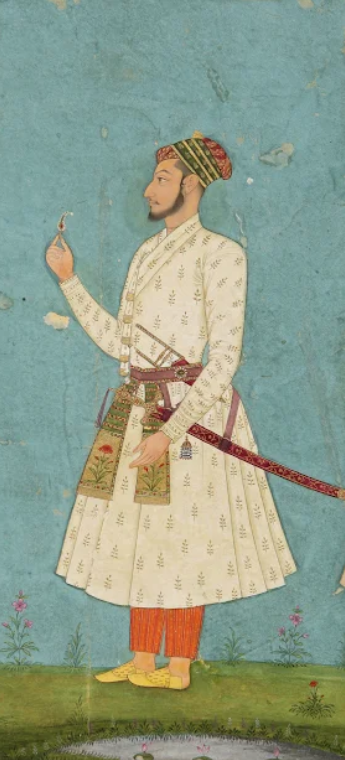
Muhammad Akbar (Mughal prince)
Mirza Muhammad Akbar (11 September 1657 – 31 March 1706) was a Mughal prince and the fourth son of Emperor Aurangzeb and his chief consort Dilras Banu Begum. He went into exile in Safavid Persia after a failed rebellion against his father in the Deccan.
He was the father of Neku Siyar, a pretender to the Mughal throne for a few months in 1719.
Muhammad Akbar was born on 11 September 1657 in Aurangabad to Prince Muhiuddin (known as 'Aurangzeb' upon his accession) and his first wife and chief consort Dilras Banu Begum. His mother was a princess of the Safavid dynasty, and daughter of Mirza Badi-uz-Zaman Safavi, the viceroy of Gujarat. Dilras died when Muhammad Akbar was only one month old.
Muhammad Akbar was brought up with special care and affection by his father and oldest sister, Princess Zeb-un-Nissa and Aurangzeb described him as his best-loved son in a letter to him, "God be my witness that I have loved you more than my other sons."
Muhammad Akbar's siblings included his older sisters, Zeb-un-Nissa, Zinat-un-Nissa and Zubdat-un-Nissa and his older brother, Muhammad Azam Shah. Like other Mughal princes, Muhammad Akbar administered various provinces and fought minor campaigns under the guidance of experienced officers. His first independent command was during Aurangzeb's war of the Jodhpur succession.
Akbar's first wife was Salima Banu Begum, the daughter of Sulaiman Shikoh, and a granddaughter of Dara Shikoh. She had been adopted and raised by Gauhar Ara Begum. The marriage took place in a mosque on 18 June 1672, and was conducted by the chief judge, Abdul Wahhab. A dowry of 500,000 rupees was agreed upon. She died in September–October 1702. His second wife was the daughter of Allah Quli Khan, who was the son of Murad Quli Khan Ghakhar. The marriage took place on 1 September 1676.
He had two sons, Neku Siyar, who briefly became Mughal emperor in 1719, and Buland Akhtar, who died on 10 July 1706 at Deccan. Akbar had three daughters. Two of his daughters, Raziyat-un-Nissa Begum and Zakiyat-un-Nissa Begum married Rafi-ush-Shan and Jahan Shah, sons of Bahadur Shah I in 1695 in Agra, respectively. Akbar's third daughter, Safiyat-un-Nissa, accompanied her father to Rajputana in 1681, following his rebellion against Aurangzeb. They were given refuge by Durgadas Rathore of Marwar. After Akbar was exiled to Persia in 1686, Safiyat-un-Nissa remained in the care of Durgadas. Her grandfather made efforts to bring her back, initiating negotiations in both 1692 and 1694. The second attempt proved successful, and in 1696 she was escorted back to the Mughal court by Ishwardas. She had committed the Qur’an to memory and died of a fever on 1 July 1699. She was buried at Mangalvire, north of Bijapur, in a tomb constructed for her at the cost of 420 rupees.
Maharaja Jaswant Singh, of Marwar, was a high-ranking Mughal officer who died at his post on the Khyber Pass on 10 December 1678 without leaving a male issue; two of his wives were pregnant at the time of his death, leaving his succession unclear. On learning of his death, Aurangzeb, immediately dispatched a large army on 9 January 1679 to occupy Jodhpur. One of the divisions of this army was commanded by Muhammad Akbar.
Hub AI
Muhammad Akbar (Mughal prince) AI simulator
(@Muhammad Akbar (Mughal prince)_simulator)
Muhammad Akbar (Mughal prince)
Mirza Muhammad Akbar (11 September 1657 – 31 March 1706) was a Mughal prince and the fourth son of Emperor Aurangzeb and his chief consort Dilras Banu Begum. He went into exile in Safavid Persia after a failed rebellion against his father in the Deccan.
He was the father of Neku Siyar, a pretender to the Mughal throne for a few months in 1719.
Muhammad Akbar was born on 11 September 1657 in Aurangabad to Prince Muhiuddin (known as 'Aurangzeb' upon his accession) and his first wife and chief consort Dilras Banu Begum. His mother was a princess of the Safavid dynasty, and daughter of Mirza Badi-uz-Zaman Safavi, the viceroy of Gujarat. Dilras died when Muhammad Akbar was only one month old.
Muhammad Akbar was brought up with special care and affection by his father and oldest sister, Princess Zeb-un-Nissa and Aurangzeb described him as his best-loved son in a letter to him, "God be my witness that I have loved you more than my other sons."
Muhammad Akbar's siblings included his older sisters, Zeb-un-Nissa, Zinat-un-Nissa and Zubdat-un-Nissa and his older brother, Muhammad Azam Shah. Like other Mughal princes, Muhammad Akbar administered various provinces and fought minor campaigns under the guidance of experienced officers. His first independent command was during Aurangzeb's war of the Jodhpur succession.
Akbar's first wife was Salima Banu Begum, the daughter of Sulaiman Shikoh, and a granddaughter of Dara Shikoh. She had been adopted and raised by Gauhar Ara Begum. The marriage took place in a mosque on 18 June 1672, and was conducted by the chief judge, Abdul Wahhab. A dowry of 500,000 rupees was agreed upon. She died in September–October 1702. His second wife was the daughter of Allah Quli Khan, who was the son of Murad Quli Khan Ghakhar. The marriage took place on 1 September 1676.
He had two sons, Neku Siyar, who briefly became Mughal emperor in 1719, and Buland Akhtar, who died on 10 July 1706 at Deccan. Akbar had three daughters. Two of his daughters, Raziyat-un-Nissa Begum and Zakiyat-un-Nissa Begum married Rafi-ush-Shan and Jahan Shah, sons of Bahadur Shah I in 1695 in Agra, respectively. Akbar's third daughter, Safiyat-un-Nissa, accompanied her father to Rajputana in 1681, following his rebellion against Aurangzeb. They were given refuge by Durgadas Rathore of Marwar. After Akbar was exiled to Persia in 1686, Safiyat-un-Nissa remained in the care of Durgadas. Her grandfather made efforts to bring her back, initiating negotiations in both 1692 and 1694. The second attempt proved successful, and in 1696 she was escorted back to the Mughal court by Ishwardas. She had committed the Qur’an to memory and died of a fever on 1 July 1699. She was buried at Mangalvire, north of Bijapur, in a tomb constructed for her at the cost of 420 rupees.
Maharaja Jaswant Singh, of Marwar, was a high-ranking Mughal officer who died at his post on the Khyber Pass on 10 December 1678 without leaving a male issue; two of his wives were pregnant at the time of his death, leaving his succession unclear. On learning of his death, Aurangzeb, immediately dispatched a large army on 9 January 1679 to occupy Jodhpur. One of the divisions of this army was commanded by Muhammad Akbar.