
Recent from talks
Music of Zimbabwe
Knowledge base stats:
Talk channels stats:
Members stats:
Music of Zimbabwe
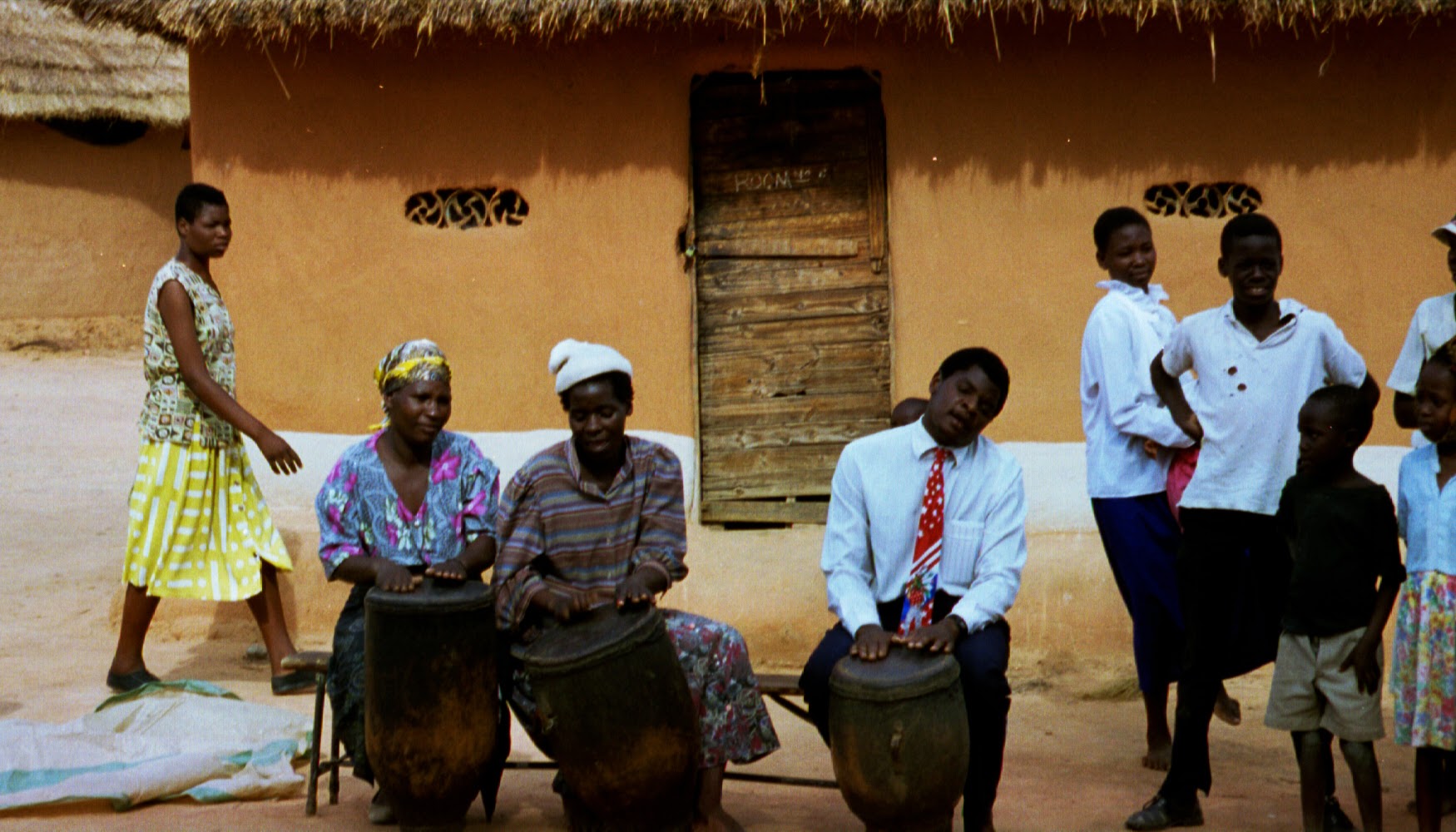
Zimbabwean music is heavily reliant on the use of instruments such as the mbira, Ngoma drums and hosho. Their music symbolizes much more than a simple rhythm, as the folk and pop style styled music was used as a symbol of hope for Zimbabweans looking to gain independence from Rhodesia. Music has played a significant role in the history of Zimbabwe, from a vital role in the traditional Bira ceremony used to call on ancestral spirits, to protest songs during the struggle for independence. The community in Zimbabwe used music to voice their resistance to their oppression, as one of the only weapons they had available to fight back with. In the 1980s, the Music of Zimbabwe was at the centre of the African Music scene thanks to genres such as Sungura and Jit. However, several performers were banned by state TV and radio leading to the closure of several music venues.
Some famous Zimbabwean rock bands are - Dividing The Element, Curfew At Midnight, Evicted, Flying Bantu and Chikwata-263.
Sungura is the most popular musical genre in Zimbabwe. It emerged in 1953, in a time when regional identity was in formation. This is the local genre of the Zimbabwe music industry. Sungura music became popular in the early 1980s, pioneered by frontman Ephraim Joe and his band Sungura Boys which counted many notable future hit makers as members. Their roll included John Chibadura (guitar), Simon Chimbetu (guitar and vocals), Naison Chimbetu, Ronnie Gatakata, Michel Jambo (drums), Ephraim Joe (guitar), Moses Marasha (bass), Never Moyo (lead guitar), Bata Sinfirio (rhythm guitar), System Tazvida (guitar and vocals).
The Khiama Boys emerged as natural successors to the Sungura Boys after their demise during the mid-eighties. Members would include System Tazvida (Rhythm guitar), Cephas Karushanga (Vocals & Lead Guitar), Nicholas Zacharia (Rhythm at the time & Lead guitar), Alick Macheso (Bass), Silas Chakanyuka (Drums) and Zakaria Zakaria (Rhythm & Sub-Rhythm guitar). A great number of these artistes have gone on to forge successful careers with their own bands whilst Nicholas Zacharia has remained as the leader of the band and is still active as of 2008.
James Chimombe, whose romantic ballads and the influential sungura guitar melody (consisting of lead, rhythm and bass), made him a favorite in the late 80s. Other notable artists include Zexie Manatsa, Tinei Chikupo, Paul Matavire, Zvishavane Sounds and Jonah Moyo's Devera Ngwena, among others.
The 90s decade was dominated by musicians such as Leonard Dembo, the effervescent Khiama Boys, veteran Simon Chimbetu and then upcoming artistes Alick Macheso, Tongai Moyo and Somandla Ndebele. One of the stars of the decade was Leonard Zhakata, whose musical project was a spinoff of the double play[clarification needed] Maungwe Brothers, an act fronted by Zhakata and his cousin Thomas Makion. Other popular acts included Pengaudzoke, the Wrist Brothers, Zimbabwe Chachacha Kings, Aaron Chinamira, King Pharao, Hosiah Chipanga, Stabien Mawire and Paul Mpofu, to mention a few. The decade 2000 till present has been characterised by a wrangle for the crown for the kingship of Sungura between the two most prominent Sungura musicians of the decade, Alick Macheso and Tongai Moyo. Having dominated sales, tour and concert attendances, the heckling and counter-heckling by the artists at shows and in some recorded material is strong proof of their feud akin to the BIG vs Tupac in American '90s hip hop.
Other artists to come through this decade include Joseph Garakara, Suluman Chimbetu (son of Simon), Allan Chimbetu (Simon's brother), Tryson Chimbetu (Naison's son), Cephas Mashakada, Gift Amuli, Howard and Tatenda Pinjisi, First Farai as well as Josphat and Daiton Somanje, the Pengaudzoke frontmen who were pursuing solo careers. Alick Macheso has largely dominated the scene, creating popular dance choreographies such as 'Borrowdale', Razor Wire, zoraaa butter, femba bute and kedebu, which mimic everyday routines in Zimbabwean life. A new generation of Sungura artists is emerging, largely influenced by Macheso's distinct style of a leading bass guitar. This generation includes artists like Mark Ngwazi, Tendai Ngwazi, Peter Moyo (son of Tongai), Simon Mutambi, Romeo Gasa, Sugar Sugar, Jacob Moyana and Francis 'Slomo' Dhaka among others. The genre is increasingly getting international recognition with some non-natives trying it out. Notable among these are Eirik Hoff Walmsiness 'Eriki' from Norway and Indian Dhyaan Kumar.
System Tazvida, Simon Chimbetu, James Chimombe, Tongai Moyo, Paul Matavire, John Chibadura, Leonard Dembo, and Thomas Makion have all died. It's also worth noting that a new wave of Sungura, dubbed Trap Sungura, has emerged in Zimbabwe, fueled by Tanto Wavie.
Hub AI
Music of Zimbabwe AI simulator
(@Music of Zimbabwe_simulator)
Music of Zimbabwe
Zimbabwean music is heavily reliant on the use of instruments such as the mbira, Ngoma drums and hosho. Their music symbolizes much more than a simple rhythm, as the folk and pop style styled music was used as a symbol of hope for Zimbabweans looking to gain independence from Rhodesia. Music has played a significant role in the history of Zimbabwe, from a vital role in the traditional Bira ceremony used to call on ancestral spirits, to protest songs during the struggle for independence. The community in Zimbabwe used music to voice their resistance to their oppression, as one of the only weapons they had available to fight back with. In the 1980s, the Music of Zimbabwe was at the centre of the African Music scene thanks to genres such as Sungura and Jit. However, several performers were banned by state TV and radio leading to the closure of several music venues.
Some famous Zimbabwean rock bands are - Dividing The Element, Curfew At Midnight, Evicted, Flying Bantu and Chikwata-263.
Sungura is the most popular musical genre in Zimbabwe. It emerged in 1953, in a time when regional identity was in formation. This is the local genre of the Zimbabwe music industry. Sungura music became popular in the early 1980s, pioneered by frontman Ephraim Joe and his band Sungura Boys which counted many notable future hit makers as members. Their roll included John Chibadura (guitar), Simon Chimbetu (guitar and vocals), Naison Chimbetu, Ronnie Gatakata, Michel Jambo (drums), Ephraim Joe (guitar), Moses Marasha (bass), Never Moyo (lead guitar), Bata Sinfirio (rhythm guitar), System Tazvida (guitar and vocals).
The Khiama Boys emerged as natural successors to the Sungura Boys after their demise during the mid-eighties. Members would include System Tazvida (Rhythm guitar), Cephas Karushanga (Vocals & Lead Guitar), Nicholas Zacharia (Rhythm at the time & Lead guitar), Alick Macheso (Bass), Silas Chakanyuka (Drums) and Zakaria Zakaria (Rhythm & Sub-Rhythm guitar). A great number of these artistes have gone on to forge successful careers with their own bands whilst Nicholas Zacharia has remained as the leader of the band and is still active as of 2008.
James Chimombe, whose romantic ballads and the influential sungura guitar melody (consisting of lead, rhythm and bass), made him a favorite in the late 80s. Other notable artists include Zexie Manatsa, Tinei Chikupo, Paul Matavire, Zvishavane Sounds and Jonah Moyo's Devera Ngwena, among others.
The 90s decade was dominated by musicians such as Leonard Dembo, the effervescent Khiama Boys, veteran Simon Chimbetu and then upcoming artistes Alick Macheso, Tongai Moyo and Somandla Ndebele. One of the stars of the decade was Leonard Zhakata, whose musical project was a spinoff of the double play[clarification needed] Maungwe Brothers, an act fronted by Zhakata and his cousin Thomas Makion. Other popular acts included Pengaudzoke, the Wrist Brothers, Zimbabwe Chachacha Kings, Aaron Chinamira, King Pharao, Hosiah Chipanga, Stabien Mawire and Paul Mpofu, to mention a few. The decade 2000 till present has been characterised by a wrangle for the crown for the kingship of Sungura between the two most prominent Sungura musicians of the decade, Alick Macheso and Tongai Moyo. Having dominated sales, tour and concert attendances, the heckling and counter-heckling by the artists at shows and in some recorded material is strong proof of their feud akin to the BIG vs Tupac in American '90s hip hop.
Other artists to come through this decade include Joseph Garakara, Suluman Chimbetu (son of Simon), Allan Chimbetu (Simon's brother), Tryson Chimbetu (Naison's son), Cephas Mashakada, Gift Amuli, Howard and Tatenda Pinjisi, First Farai as well as Josphat and Daiton Somanje, the Pengaudzoke frontmen who were pursuing solo careers. Alick Macheso has largely dominated the scene, creating popular dance choreographies such as 'Borrowdale', Razor Wire, zoraaa butter, femba bute and kedebu, which mimic everyday routines in Zimbabwean life. A new generation of Sungura artists is emerging, largely influenced by Macheso's distinct style of a leading bass guitar. This generation includes artists like Mark Ngwazi, Tendai Ngwazi, Peter Moyo (son of Tongai), Simon Mutambi, Romeo Gasa, Sugar Sugar, Jacob Moyana and Francis 'Slomo' Dhaka among others. The genre is increasingly getting international recognition with some non-natives trying it out. Notable among these are Eirik Hoff Walmsiness 'Eriki' from Norway and Indian Dhyaan Kumar.
System Tazvida, Simon Chimbetu, James Chimombe, Tongai Moyo, Paul Matavire, John Chibadura, Leonard Dembo, and Thomas Makion have all died. It's also worth noting that a new wave of Sungura, dubbed Trap Sungura, has emerged in Zimbabwe, fueled by Tanto Wavie.
Recent media