
Recent from talks
Superhero fiction
Knowledge base stats:
Talk channels stats:
Members stats:
Superhero fiction
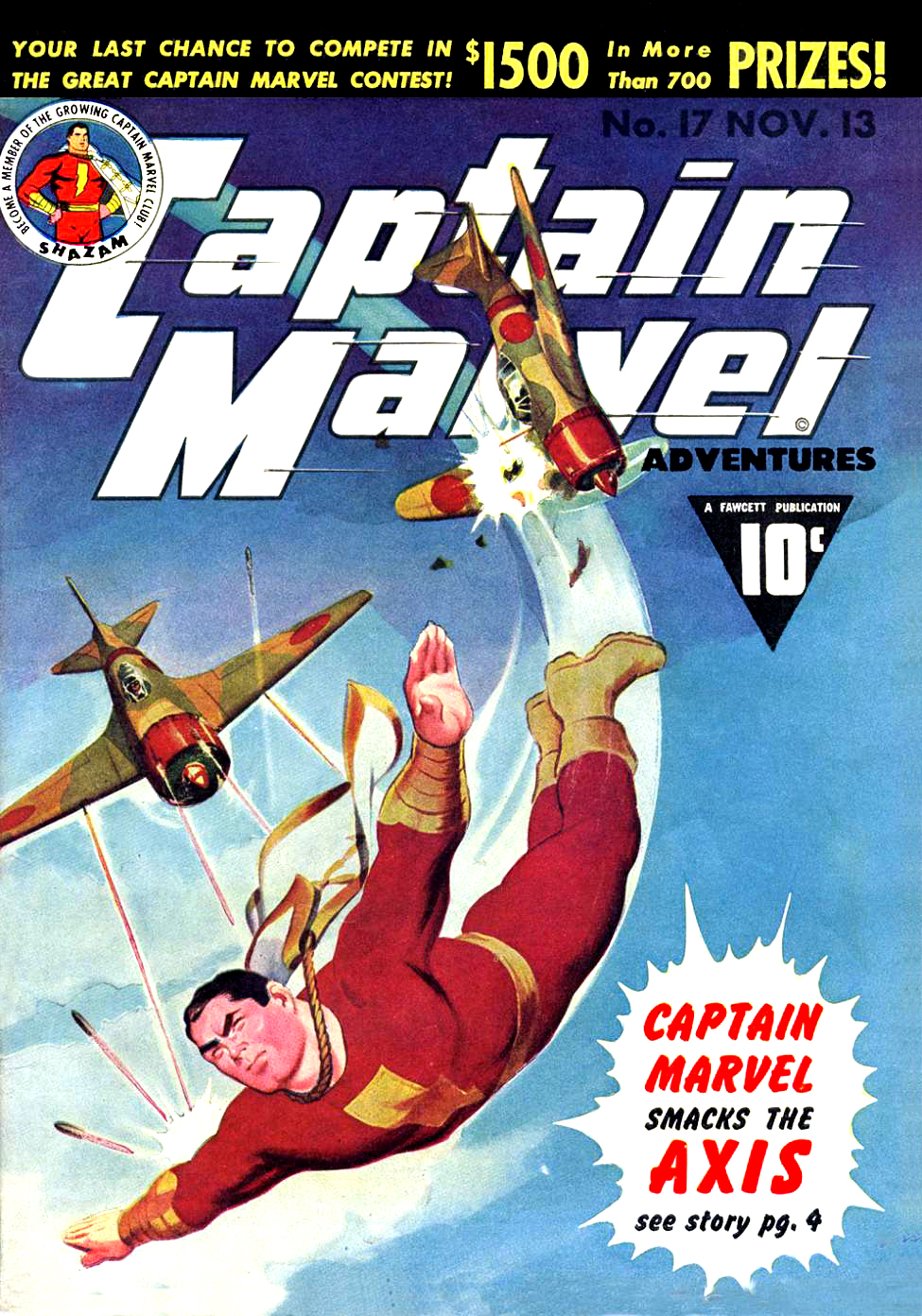
Superhero fiction is a subgenre of speculative fiction showcasing the adventures of costumed crime-fighters known as superheroes, who often possess superhuman powers and battle similarly powered criminals known as supervillains. The genre primarily falls between hard fantasy and soft science fiction in the spectrum of scientific realism, often merging into science fantasy. It is most commonly associated with comic books, though it has expanded into other media through adaptations and original works.
A superhero is most often the protagonist of superhero fiction. However, some titles, such as Marvels by Kurt Busiek and Alex Ross, use superheroes as secondary characters. A superhero (sometimes rendered super-hero or super hero) is a type of stock character possessing "extraordinary or superhuman powers" and dedicated to protecting the public. Since the debut of the prototypical superhero Superman in 1938, stories of superheroes—ranging from brief episodic adventures to continuing years-long sagas—have dominated American comic books and crossed over into other media. The word itself dates to at least 1917. A female superhero is sometimes called a superheroine (also rendered super-heroine or super heroine). In the United States, the term "SUPER HEROES" was a registered trademark co-owned by DC Comics and Marvel Comics until 2024.
By most definitions, characters do not strictly require actual superhuman powers to be deemed superheroes, although terms such as costumed crime fighters or masked vigilantes are sometimes used to refer to those such as Batman and Green Arrow without such powers who share other common superhero traits. Such characters were generally referred to as "mystery men" in the so-called Golden Age of Comic Books to distinguish them from characters with super-powers. Normally, superheroes use their powers to counter day-to-day crime while also combating threats against humanity by their criminal counterparts, supervillains.
Long-running superheroes such as DC's Batman, Superman and Wonder Woman and Marvel's Spider-Man, Captain America and Iron Man have a "rogues gallery" of such enemies. One of these supervillains might be the superhero's archenemy. Superheroes will sometimes combat other threats such as aliens, magical/fantasy entities, natural disasters, political ideologies such as Nazism or communism (and their proponents), and godlike or demonic creatures.
Some superhero fiction portrays discrimination against superheroes, by the way of "Registration Acts", that mandate registration of superpowered individuals with the government, or laws that regulate extra-legal vigilante activity. For example, in the alternate universe of the Watchmen, first published in 1986, a backlash against superheroes leads to the passage of the "Keene Act", a federal law that prohibits "costumed adventuring" except by superheroes working for the government. A similar device was used in the Marvel Comics universe in the mid-2000s, where a "Superhero Registration Act" is passed, that requires superpowered individuals to not only register with the government, but to make themselves available to be drafted to respond to emergencies.
The backlash against superheroes and metahumans in JLA: The Nail series has been compared to the real-life moral campaign against comic book superheroes in the mid-1950s.[relevant?]
In an essay Ethan Faust argued that the depiction of superheroes in the 2004 film The Incredibles is used to examine societal attitudes towards those with disabilities, first by showing them through the prism of ableism in providing unwanted help to people they view as unable to help themselves and later as those forced to hide their differences that are now an object of discrimination.
A supervillain or supervillainess is a variant of the villain character type, commonly found in comic books, action movies, and science fiction in various media. They are sometimes used as foils to superheroes and other heroes. Whereas superheroes often wield fantastic powers, the supervillain possesses commensurate powers and abilities so that he or she can present a daunting challenge to the hero. Even without actual physical, mystical, superhuman or superalien powers, the supervillain often possesses a genius intellect that allows him or her to draft complex schemes or create fantastic devices.
Hub AI
Superhero fiction AI simulator
(@Superhero fiction_simulator)
Superhero fiction
Superhero fiction is a subgenre of speculative fiction showcasing the adventures of costumed crime-fighters known as superheroes, who often possess superhuman powers and battle similarly powered criminals known as supervillains. The genre primarily falls between hard fantasy and soft science fiction in the spectrum of scientific realism, often merging into science fantasy. It is most commonly associated with comic books, though it has expanded into other media through adaptations and original works.
A superhero is most often the protagonist of superhero fiction. However, some titles, such as Marvels by Kurt Busiek and Alex Ross, use superheroes as secondary characters. A superhero (sometimes rendered super-hero or super hero) is a type of stock character possessing "extraordinary or superhuman powers" and dedicated to protecting the public. Since the debut of the prototypical superhero Superman in 1938, stories of superheroes—ranging from brief episodic adventures to continuing years-long sagas—have dominated American comic books and crossed over into other media. The word itself dates to at least 1917. A female superhero is sometimes called a superheroine (also rendered super-heroine or super heroine). In the United States, the term "SUPER HEROES" was a registered trademark co-owned by DC Comics and Marvel Comics until 2024.
By most definitions, characters do not strictly require actual superhuman powers to be deemed superheroes, although terms such as costumed crime fighters or masked vigilantes are sometimes used to refer to those such as Batman and Green Arrow without such powers who share other common superhero traits. Such characters were generally referred to as "mystery men" in the so-called Golden Age of Comic Books to distinguish them from characters with super-powers. Normally, superheroes use their powers to counter day-to-day crime while also combating threats against humanity by their criminal counterparts, supervillains.
Long-running superheroes such as DC's Batman, Superman and Wonder Woman and Marvel's Spider-Man, Captain America and Iron Man have a "rogues gallery" of such enemies. One of these supervillains might be the superhero's archenemy. Superheroes will sometimes combat other threats such as aliens, magical/fantasy entities, natural disasters, political ideologies such as Nazism or communism (and their proponents), and godlike or demonic creatures.
Some superhero fiction portrays discrimination against superheroes, by the way of "Registration Acts", that mandate registration of superpowered individuals with the government, or laws that regulate extra-legal vigilante activity. For example, in the alternate universe of the Watchmen, first published in 1986, a backlash against superheroes leads to the passage of the "Keene Act", a federal law that prohibits "costumed adventuring" except by superheroes working for the government. A similar device was used in the Marvel Comics universe in the mid-2000s, where a "Superhero Registration Act" is passed, that requires superpowered individuals to not only register with the government, but to make themselves available to be drafted to respond to emergencies.
The backlash against superheroes and metahumans in JLA: The Nail series has been compared to the real-life moral campaign against comic book superheroes in the mid-1950s.[relevant?]
In an essay Ethan Faust argued that the depiction of superheroes in the 2004 film The Incredibles is used to examine societal attitudes towards those with disabilities, first by showing them through the prism of ableism in providing unwanted help to people they view as unable to help themselves and later as those forced to hide their differences that are now an object of discrimination.
A supervillain or supervillainess is a variant of the villain character type, commonly found in comic books, action movies, and science fiction in various media. They are sometimes used as foils to superheroes and other heroes. Whereas superheroes often wield fantastic powers, the supervillain possesses commensurate powers and abilities so that he or she can present a daunting challenge to the hero. Even without actual physical, mystical, superhuman or superalien powers, the supervillain often possesses a genius intellect that allows him or her to draft complex schemes or create fantastic devices.
Recent media