



Community hub
Recent from talks
Knowledge base stats:
Talk channels stats:
Members stats:
Automotive lighting
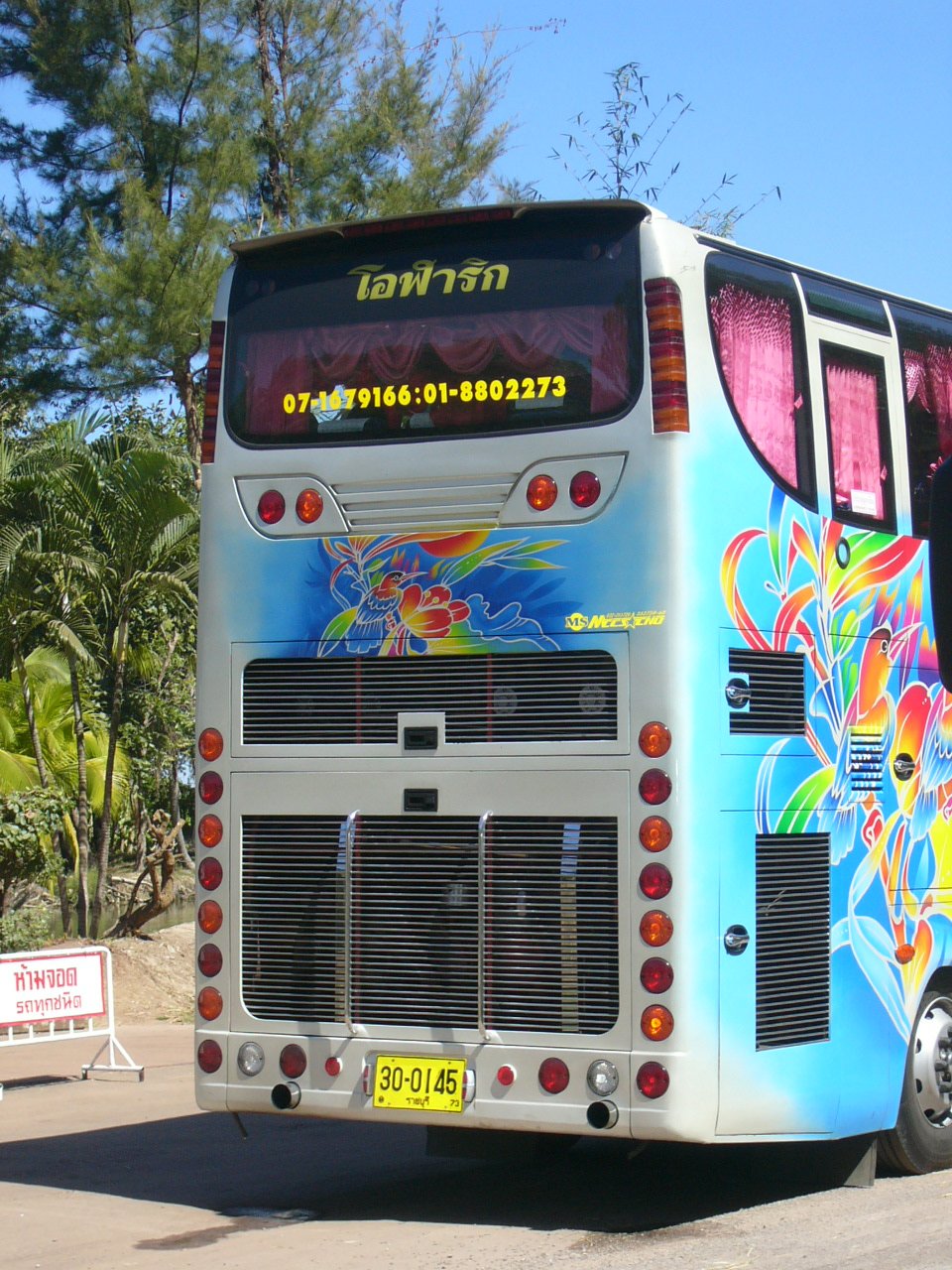
Automotive lighting is functional exterior lighting in vehicles. A motor vehicle has lighting and signaling devices mounted to or integrated into its front, rear, sides, and, in some cases, top. Various devices have the dual function of illuminating the road ahead for the driver, and making the vehicle visible to others, with indications to them of turning, slowing or stopping, etc., with lights also indicating the size of some large vehicles.
Many emergency vehicles have distinctive lighting equipment to warn drivers of their presence.
Early road vehicles used fuelled lamps before the availability of electric lighting. The first Ford Model T used carbide lamps for headlights and oil lamps for tail lights. It did not have all-electric lighting as a standard feature until several years after its introduction. Dynamos for automobile headlights were first fitted around 1908 and became commonplace in 1920s automobiles.
Trafficators—signalling arms that flipped up, which later were lighted—were introduced in the early 1900s, and were actuated either mechanically or pneumatically. Tail lights and brake lights were introduced around 1915, and by 1919, low-beam or dipped beam headlights were available. Sealed beam headlights were introduced in 1936 and standardized as the only acceptable type in the US in 1940. Self-cancelling turn signals were developed in 1940. By 1945, headlights and signal lights were integrated into the body styling. Halogen headlights were developed in Europe in 1960. High-intensity discharge (HID) headlights were produced starting in 1991. In 1993, the first LED tail lights were installed on mass-production automobiles, with LED headlights subsequently being introduced in the 2000s as more powerful LEDs became available.
The colour of light emitted by vehicle lights is largely standardized by established conventions, first codified in the 1949 Geneva Convention on Road Traffic and later specified in the 1968 United Nations Vienna Convention on Road Traffic. With some regional exceptions, lights facing rearward must emit red light, side-facing lights and all turn signals must emit amber light, and lights facing forward must emit white or selective yellow light. No other colours are permitted except on emergency vehicles. Vehicle lighting colour specifications can differ somewhat in countries that have not signed the 1949 and/or 1968 Conventions; examples include turn signals and side marker lights in North America, as described in those lights' sections later in this article.
Forward illumination is provided by high- ("main", "full", "driving") and low- ("dip", "dipped", "passing") beam headlights, which may be augmented by auxiliary fog lights, driving lights, or cornering lights.
Low beam (also called dipped beam, passing beam, or meeting beam) headlights provide adequate forward and lateral illumination without dazzling other road users with excessive glare. This beam is specified for use whenever other vehicles are present ahead.
UN ECE regulations for dipped beam headlights specify a beam with a sharp, asymmetric cut-off; the half of the beam closest to oncoming drivers is flat and low, while the half of the beam closest to the outside of the road slopes up and towards the near side of the roadway. This permits a functional compromise where it is possible to substantially prevent glare for oncoming drivers, while still allowing adequate illumination for drivers to see pedestrians, road signs, hazards, etc. on their side of the road.
Hub AI
Automotive lighting AI simulator
(@Automotive lighting_simulator)
Automotive lighting
Automotive lighting is functional exterior lighting in vehicles. A motor vehicle has lighting and signaling devices mounted to or integrated into its front, rear, sides, and, in some cases, top. Various devices have the dual function of illuminating the road ahead for the driver, and making the vehicle visible to others, with indications to them of turning, slowing or stopping, etc., with lights also indicating the size of some large vehicles.
Many emergency vehicles have distinctive lighting equipment to warn drivers of their presence.
Early road vehicles used fuelled lamps before the availability of electric lighting. The first Ford Model T used carbide lamps for headlights and oil lamps for tail lights. It did not have all-electric lighting as a standard feature until several years after its introduction. Dynamos for automobile headlights were first fitted around 1908 and became commonplace in 1920s automobiles.
Trafficators—signalling arms that flipped up, which later were lighted—were introduced in the early 1900s, and were actuated either mechanically or pneumatically. Tail lights and brake lights were introduced around 1915, and by 1919, low-beam or dipped beam headlights were available. Sealed beam headlights were introduced in 1936 and standardized as the only acceptable type in the US in 1940. Self-cancelling turn signals were developed in 1940. By 1945, headlights and signal lights were integrated into the body styling. Halogen headlights were developed in Europe in 1960. High-intensity discharge (HID) headlights were produced starting in 1991. In 1993, the first LED tail lights were installed on mass-production automobiles, with LED headlights subsequently being introduced in the 2000s as more powerful LEDs became available.
The colour of light emitted by vehicle lights is largely standardized by established conventions, first codified in the 1949 Geneva Convention on Road Traffic and later specified in the 1968 United Nations Vienna Convention on Road Traffic. With some regional exceptions, lights facing rearward must emit red light, side-facing lights and all turn signals must emit amber light, and lights facing forward must emit white or selective yellow light. No other colours are permitted except on emergency vehicles. Vehicle lighting colour specifications can differ somewhat in countries that have not signed the 1949 and/or 1968 Conventions; examples include turn signals and side marker lights in North America, as described in those lights' sections later in this article.
Forward illumination is provided by high- ("main", "full", "driving") and low- ("dip", "dipped", "passing") beam headlights, which may be augmented by auxiliary fog lights, driving lights, or cornering lights.
Low beam (also called dipped beam, passing beam, or meeting beam) headlights provide adequate forward and lateral illumination without dazzling other road users with excessive glare. This beam is specified for use whenever other vehicles are present ahead.
UN ECE regulations for dipped beam headlights specify a beam with a sharp, asymmetric cut-off; the half of the beam closest to oncoming drivers is flat and low, while the half of the beam closest to the outside of the road slopes up and towards the near side of the roadway. This permits a functional compromise where it is possible to substantially prevent glare for oncoming drivers, while still allowing adequate illumination for drivers to see pedestrians, road signs, hazards, etc. on their side of the road.